military operations
12 stories filed under military operations on World Data Ocean. The newest of them: “Strait of Hormuz tensions rise as Iran signals new maritime restrictions”, “Indonesia Launches First Aircraft Carrier, Signaling Naval Expansion”, and “Houthi Control Expands Near Vital Bab el-Mandeb Strait.”. The Strait of Hormuz is once again a flashpoint, with Iran signaling new maritime restrictions even as Gulf oil exports rise. Indonesia's acquisition of the Giuseppe Garibaldi marks a deliberate step into a more capable maritime posture, transforming a retired Italian carrier into its first aircraft carrier. A Global Hub for Ocean Intelligence 4 World Data Ocean is a centralized digital platform where researchers, scientists, and ocean enthusiasts converge to… The list below is every military operations story on World Data Ocean, newest first.
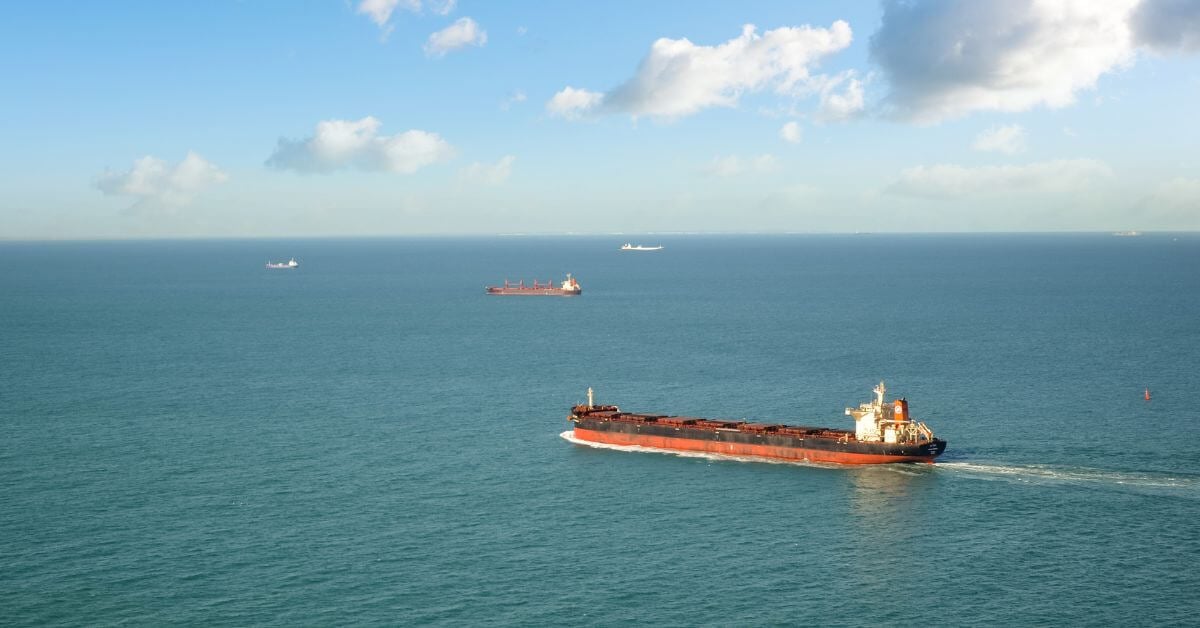
Strait of Hormuz tensions rise as Iran signals new maritime restrictions
The Strait of Hormuz is once again a flashpoint, with Iran signaling new maritime restrictions even as Gulf oil exports rise. Tanker attacks and logistical disruptions continue to plague shipments, a reality reflected in risk premiums exceeding $100,000 per month for captains. These are not abstract tensions; they are measured, empirical challenges to global energy flow. Our related coverage on those soaring risk premiums offers a deeper look at the human and economic cost. Understanding these dynamics is the first step toward protecting maritime stability.
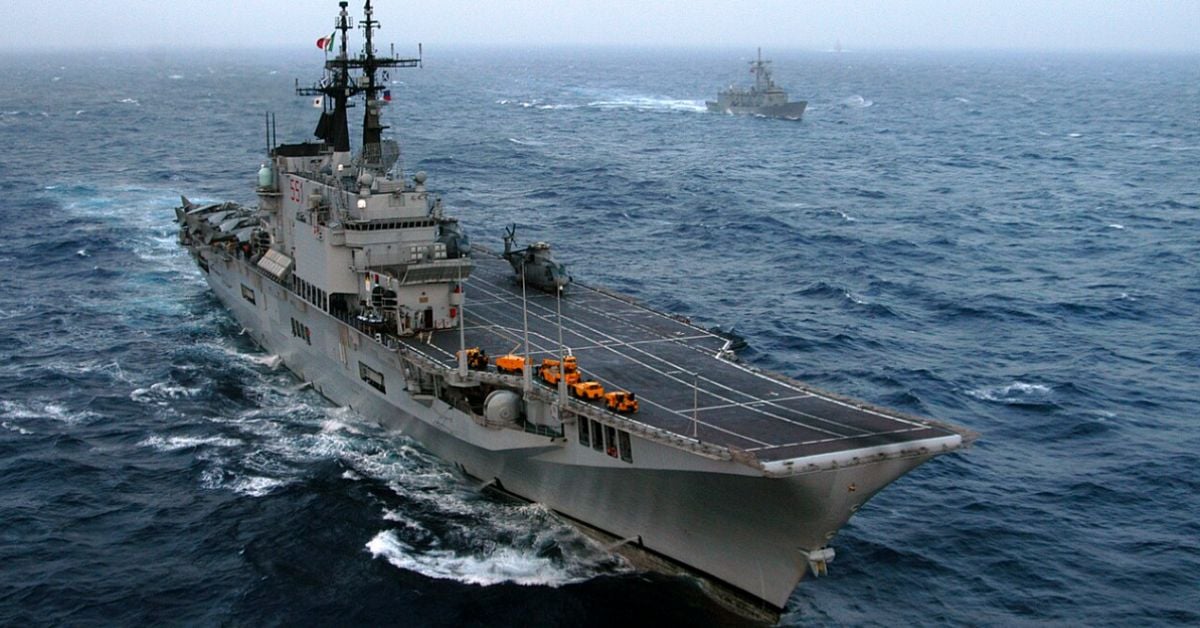
Indonesia Launches First Aircraft Carrier, Signaling Naval Expansion
Indonesia's acquisition of the Giuseppe Garibaldi marks a deliberate step into a more capable maritime posture, transforming a retired Italian carrier into its first aircraft carrier. This is not merely a hardware purchase; it is a statement of regional intent, validated by the ship's proven design. The move aligns with broader naval ambitions seen across Asia, from India's projected fleet growth to Russia's icebreaker investments. For Indonesia, the Garibaldi offers measurable power projection, yet its real value will depend on integrated operations and crew readiness.

Houthi Control Expands Near Vital Bab el-Mandeb Strait.
The Houthis have seized new territory near the Bab el-Mandeb Strait, tightening their grip on a chokepoint that connects the Red Sea to the Gulf of Aden. This expansion is a measured but significant shift in regional leverage. Validated by empirical observation, their increased control raises calibrated concerns for maritime security and global trade flows. For deeper context on regional maritime pressures, our related coverage on Gulf of Oman STS transfers offers an integrated perspective. Understanding drives protection, this development demands attention.
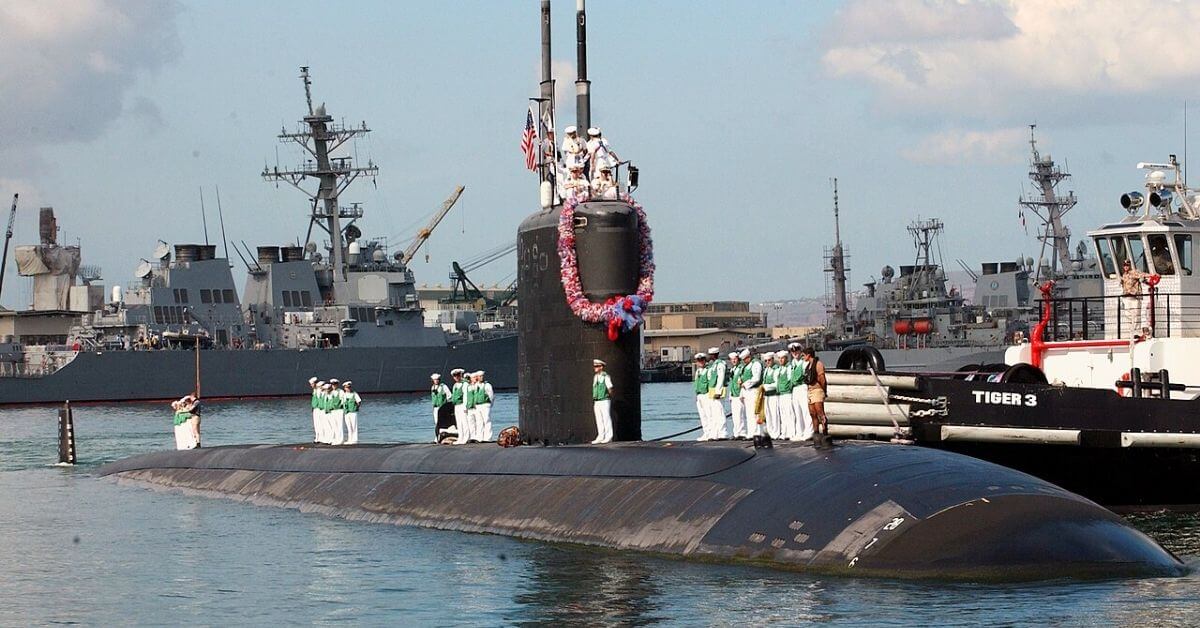
Submarine Maintenance Backlog: $3.4 Billion Cost and Operational Impacts
Fifteen submarines could sit idle for nearly 14,000 days combined between 2026 and 2030, a $3.4 billion backlog that signals a system straining under its own weight. The GAO's estimate is not abstract; it is lost operational capacity with real consequences for maritime readiness. We track these pressures closely, just as we do the Gulf of Oman STS Transfers Max Out Amid Rising Saudi Oil Exports, where infrastructure limits are equally visible.

Extended Deployment: Abraham Lincoln Carrier Highlights Naval Endurance at Sea
The Abraham Lincoln's extended deployment underscores the US Navy's capacity for endurance when strategic demands require it. While six to nine months is the standard, conflict-driven extensions are a calculated reality, not a failure of planning. This is maritime persistence measured in readiness, not rhetoric. For broader context on regional pressure points, our related piece on Gulf of Oman STS transfers outlines how operational tempo shifts elsewhere. The carrier's longevity at sea remains a practical demonstration of sustained naval power.

Navy Addresses Concerns Over Hygiene Product Availability on USS Boxer
The Navy has denied claims that women aboard the USS Boxer were "begging" for pads and tampons, following a family member's account that sparked public concern. If true, the shortage would undermine readiness, but the service's swift denial suggests a need for clearer verification before narratives harden. Operational credibility depends on basics like hygiene supplies, not just high-tech systems. For broader context on how the service is modernizing logistics and autonomous capabilities, our piece on the Navy's new integration center offers useful depth.

Leveraging Civilian Shipping: China Assesses Fleet for Potential Military Use
China's call for a detailed survey of its civilian shipping fleet signals a pragmatic step toward integrating commercial capacity into national defense. Li's request for a vessel database reflects a methodical approach, one grounded in measurable readiness rather than speculation. This move aligns with broader maritime trends, as seen in our related coverage of Gulf of Oman STS transfers maxing out. The ocean is a shared operating environment, and understanding its assets is part of responsible stewardship. Calibrated preparation, not alarm, defines this strategic review.

Escalation in Hormuz: Iran Attacks Tanker Amid U.S. Strikes
The 11th consecutive evening of U.S. strikes against Iran concluded at 8:15 p.m. ET on July 21, as CENTCOM confirmed its ongoing campaign. The escalation in Hormuz now includes a direct tanker attack, sharpening a volatile maritime corridor. This is not abstract geopolitics; it is measured, repeated force meeting retaliation. For context on regional pressure points, our coverage of Gulf of Oman STS transfers maxing out shows how commercial chokepoints strain under such tension.

Persian Gulf: Iran Targets U.S. AI-Driven Maritime Surveillance.
The Persian Gulf has become a testing ground for AI-driven maritime surveillance, with Iran targeting U.S. unmanned vessels and sensor networks in the region. The unit's reliance on autonomous systems and real-time data marks a calibrated shift in how naval operations are monitored. It is a precise, measurable response to a complex environment, though one that raises the stakes for transparency. For broader context on regional shipping pressures, our coverage of phased negotiations on the Strait of Hormuz offers a useful parallel.

South China Sea Incident Highlights Escalating Tensions and Maritime Safety Concerns
A direct physical confrontation between Chinese and Filipino personnel in the South China Sea has sharpened regional fault lines. A Chinese coast guard officer repeatedly struck a Filipino sailor with a wooden baton, an act that moves maritime disputes from policy to personal violence. This is not a drill scenario; it is a volatile reality. Such encounters demand calibrated responses. The region's interconnected stability, from energy lanes to data flows, is at stake.

Iran Reports Strikes Targeting U.S. Naval Assets in Kuwait and Indian Ocean
Iran's Islamic Revolutionary Guard Corps reports strikes targeting U.S. naval assets in Kuwait and the northern Indian Ocean, including shore-to-sea cruise missiles fired at a U.S. vessel. The claim signals a measurable escalation in regional maritime tension, one that demands calibrated attention from allied forces. While the full picture remains unverified, the strategic implication is clear: ocean intelligence is no longer just environmental. For broader context on maritime security shifts, see our coverage of Puntland Forces Intercept Hijacked, US-Sanctioned Oil Tanker After 48 Hours.

Vessel Splits and Sinks in Strait of Hormuz; Crew Rescued
A vessel split and sank in the Strait of Hormuz, coming to rest on the shallow seabed with its bow and stern above the waterline. The crew was rescued. This incident underscores the fragility of maritime operations in one of the world's most vital shipping lanes. For context on the broader pressures shaping this waterway, our related coverage on "Phased Negotiations Aim to Ease Restrictions on Strait of Hormuz" offers deeper insight. The strait's resilience is being tested, and the stakes remain measurable.