military
World Data Ocean keeps military in one place: 14 stories so far. The section currently leads with “Mapping the global nuclear arsenal: validated data on sovereign stockpiles”, “Sea Drones Strike Sochi, Demonstrating Extended Reach and Impact.”, and “COSCO Rejects U.S. Claims of Espionage via Shipping Vessels”. Nine countries hold nearly all the world's nuclear weapons, and the validated data on sovereign stockpiles reveals a stark concentration of power. A Ukrainian sea drone strike reached Sochi, a Russian resort roughly 700 kilometers from the border, demonstrating an extended range that redefines maritime conflict. A Global Hub for Ocean Intelligence 4 World Data Ocean is a centralized digital platform where researchers, scientists, and ocean enthusiasts converge to… The list below is every military story on World Data Ocean, newest first.
Mapping the global nuclear arsenal: validated data on sovereign stockpiles
Nine countries hold nearly all the world's nuclear weapons, and the validated data on sovereign stockpiles reveals a stark concentration of power. These arsenals are measurable, empirical facts of global security, not abstract threats. Understanding the precise numbers is a form of ocean intelligence for the geopolitical realm. For a parallel in how validated data reshapes our understanding of long-term human behavior, see our related piece on the "Centuries of empirical data reveal a measurable decline in global homicide rates."

Sea Drones Strike Sochi, Demonstrating Extended Reach and Impact.
A Ukrainian sea drone strike reached Sochi, a Russian resort roughly 700 kilometers from the border, demonstrating an extended range that redefines maritime conflict. This is not alarmism; it is a measurable shift in operational reach. The attack underscores how uncrewed systems can project force far from traditional front lines. For deeper context on maritime infrastructure and strategic chokepoints, see our coverage of *Paradip Port Designated a Mega Port*. Understanding these dynamics is essential for assessing global security.
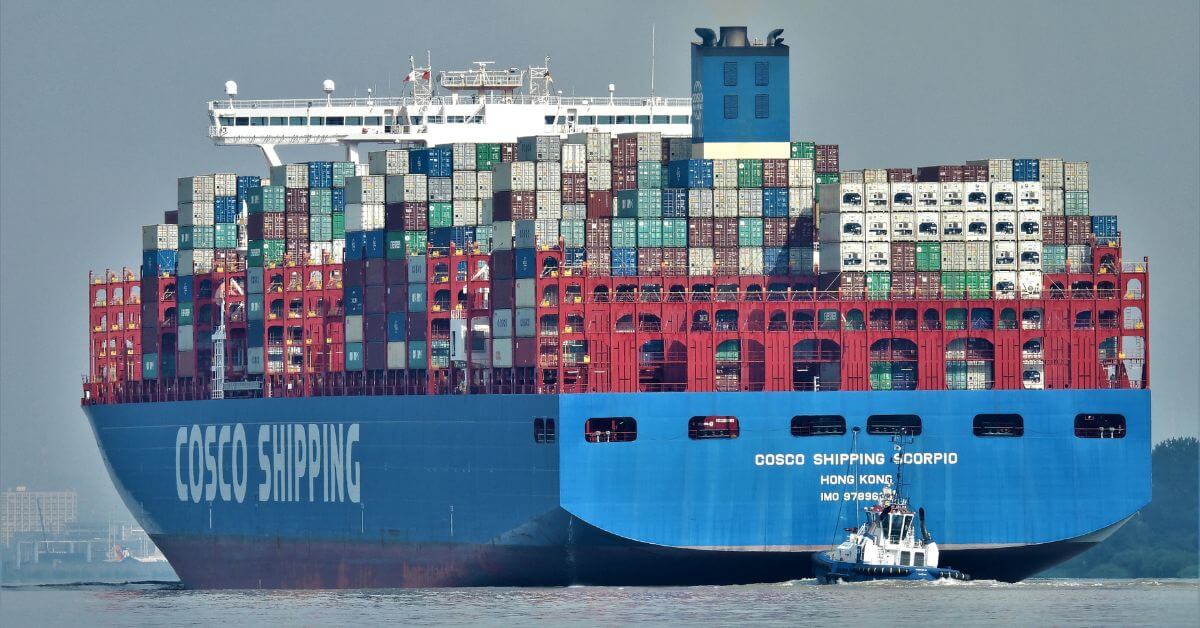
COSCO Rejects U.S. Claims of Espionage via Shipping Vessels
COSCO has firmly rejected U.S. accusations that its vessels collected military intelligence for Beijing, calling the claims unfounded. The denial cuts through a narrative that risks conflating legitimate global commerce with espionage, a distinction that matters for the rule-based shipping lanes the world depends on. Allegations without peer-reviewed evidence weaken trust, and trust is the ballast of maritime stability.
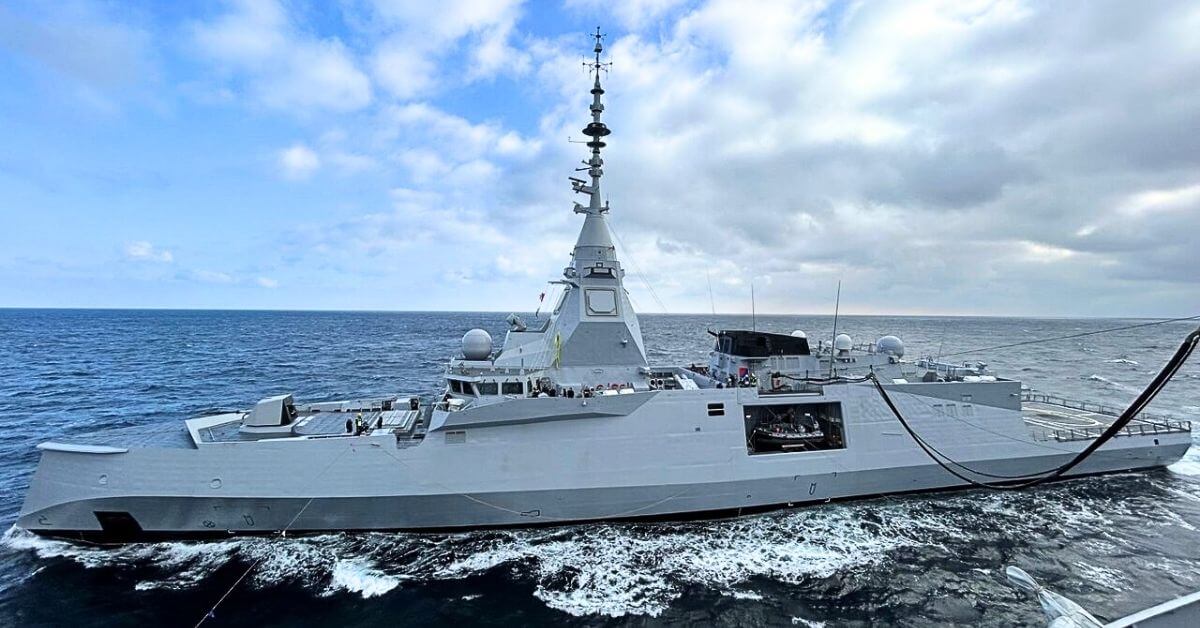
Sweden Bolsters Naval Capabilities with Acquisition of Four Advanced Frigates
Sweden's decision to acquire four advanced frigates marks a measured step toward a stronger naval presence, with the first delivery slated for 2030. These vessels will become the largest in the Swedish fleet, a practical response to shifting maritime realities. The investment signals patience and precision, not panic. For readers tracking parallel developments in naval strategy, our coverage of Russia's Northern Sea Route icebreaker plans offers useful context. Sweden is building capacity deliberately, and that intent is worth watching.
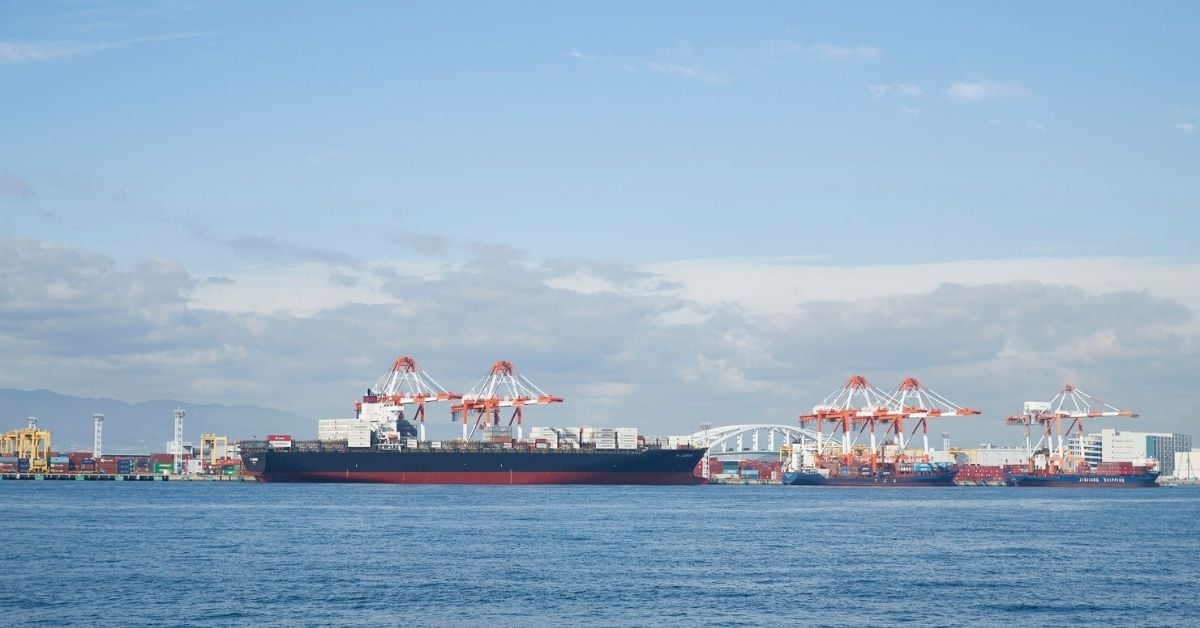
Targeted Strikes Disrupt Ukrainian Grain and Energy Infrastructure.
Russia's latest assault on Ukrainian ports, grain silos, and energy hubs is a deliberate escalation against both civilian resilience and global food security. These coordinated strikes are not collateral damage; they are the target. We should read this as a calculated attempt to degrade infrastructure that sustains both Ukraine's economy and its people's daily lives. The pattern is measurable, and the intent is clear.

Military Action Intensifies for Dawei Port Project in Myanmar
Myanmar's military has escalated its campaign to secure land for the Dawei Port project, signaling a firm resolve to reclaim territory through force. This offensive marks the clearest indication yet that the government will not shy from confrontation to advance the initiative. The stakes are high, and the implications for regional stability are significant. For broader context on how state-backed maritime projects intersect with security pressures, our piece on Russia's Northern Sea Route icebreaker fleet offers a parallel view of geopolitical maneuvering.

Expanding Tomahawk Production: A Seven-Year, $22.9 Billion Investment.
Raytheon's seven-year, $22.9 billion agreement to scale Tomahawk production from roughly 60 missiles annually to more than 1,000 marks a measured, strategic response to global demand. This is not hyperbole; it is industrial recalibration. The numbers carry weight, and the commitment signals a long view on maritime deterrence. For context on how such capabilities intersect with diplomatic pressure, our related piece on phased negotiations to ease Strait of Hormuz restrictions offers a parallel read on leverage.

Geopolitical Tensions Mount: Strait of Hormuz Control Disputed.
The Strait of Hormuz remains a flashpoint, with Iran holding the waterway's reopening hostage to unmet US demands. This is not posturing; it is a calculated standoff with global energy implications. The pressure is measurable, and the stakes are empirical. For deeper context on how such tensions shape regional flows, our piece on "Gulf of Oman STS Transfers Max Out Amid Rising Saudi Oil Exports" offers a related view. The channel's status is not a given; it is a condition under negotiation.

Drone Strikes on Oil Tankers Cease Following US Concerns.
The United States' intervention appears to have worked. Ukrainian drone strikes on oil tankers carrying Kazakh crude have ceased, following Washington's concerns last month that these attacks were disrupting global oil markets. The pause is a pragmatic acknowledgment that maritime security and economic stability are intertwined. For those tracking the ripple effects of naval conflict, this is a meaningful development. Russia's own maritime posturing remains a separate concern, as our coverage of suspected drone operations in the Mediterranean makes clear.

Maritime Conflict Impacts Shipping Lanes, Raising Regional Tensions
Russia's Defence Ministry confirmed the two cargo vessels were targeted for their alleged use in Ukrainian military interests. This is a deliberate escalation that compresses the space for safe transit. When state actors weaponise commercial shipping, the calculus for insurers, flag states, and port authorities shifts overnight. We have not seen the full cost yet. For broader context, our related piece, "Russia Calibrates Export Revenue for Northern Sea Route Icebreaker Fleet," shows how Moscow is simultaneously militarising its maritime posture elsewhere. That is not coincidence.

Black Sea Maritime Traffic Targeted in Coordinated Russian Strikes
Russia's overnight strike on Black Sea maritime traffic was a coordinated display of reach, with missiles launched from land, sea, and air alongside strike drones. The Defence Ministry's account confirms a deliberate escalation aimed at ports and vessels, a pattern that demands measured scrutiny. This is not hyperbole; it is the reality of contested waters. For broader context on how Moscow sustains such operations, our related piece on Russia's Northern Sea Route icebreaker funding offers a telling glimpse into its strategic priorities.

Caspian Sea Incident: Escalation Risks Amidst Maritime Trade Disruptions
A cargo ship carrying steel from Russia's Astrakhan Port to Iran's Anzali Port has been struck by Ukrainian forces, marking a sharp escalation in a conflict that increasingly reaches beyond the Black Sea's western waters. This is not merely a tactical blow; it is a signal. The Caspian corridor, long treated as a secondary front, now carries real risk for commercial shipping.

Naval Action: US Disables Tanker in Arabian Gulf, Escalating Tensions.
The U.S. Navy's disablement of a tanker in the Arabian Gulf marks the first publicly confirmed case of a merchant vessel being taken out of action since Washington reinstated its naval blockade on Iran. It is a deliberate, calibrated escalation, not an accident. The move signals that economic pressure has crossed into active maritime enforcement. For readers tracking the diplomatic path forward, our related piece on phased negotiations toward easing Strait of Hormuz restrictions provides essential context.

Kuwaiti Warship Struck: Four Personnel Injured in Iranian Attack
A Kuwaiti naval vessel was struck by an Iranian missile and drone barrage, leaving four armed forces personnel injured, according to Kuwait's Military. The attack underscores the fragile security calculus of a region already straining under disrupted shipping lanes. Such strikes are not isolated incidents; they are symptoms of a broader volatility that demands calibrated, data-driven responses. As diplomatic efforts like the phased negotiations over the Strait of Hormuz gain traction, the need for validated ocean intelligence has never been more immediate.