melting
3 stories filed under melting on World Data Ocean. The newest of them: “Switzerland's glacier loss accelerates to nearly 20% in five years”, “New tidal dynamics model reveals hidden melt beneath Thwaites Glacier ice”, and “Arctic sea ice thinning persists as winter and summer records decline”. Switzerland's glaciers lost more than 5% of their ice volume in 2026 alone, pushing the five-year total to nearly 20%. The boundary beneath Thwaites Glacier is not a static line on a map, it is a dynamic zone where tides push seawater kilometers inland beneath resting ice. A Global Hub for Ocean Intelligence 4 World Data Ocean is a centralized digital platform where researchers, scientists, and ocean enthusiasts converge to… The list below is every melting story on World Data Ocean, newest first.
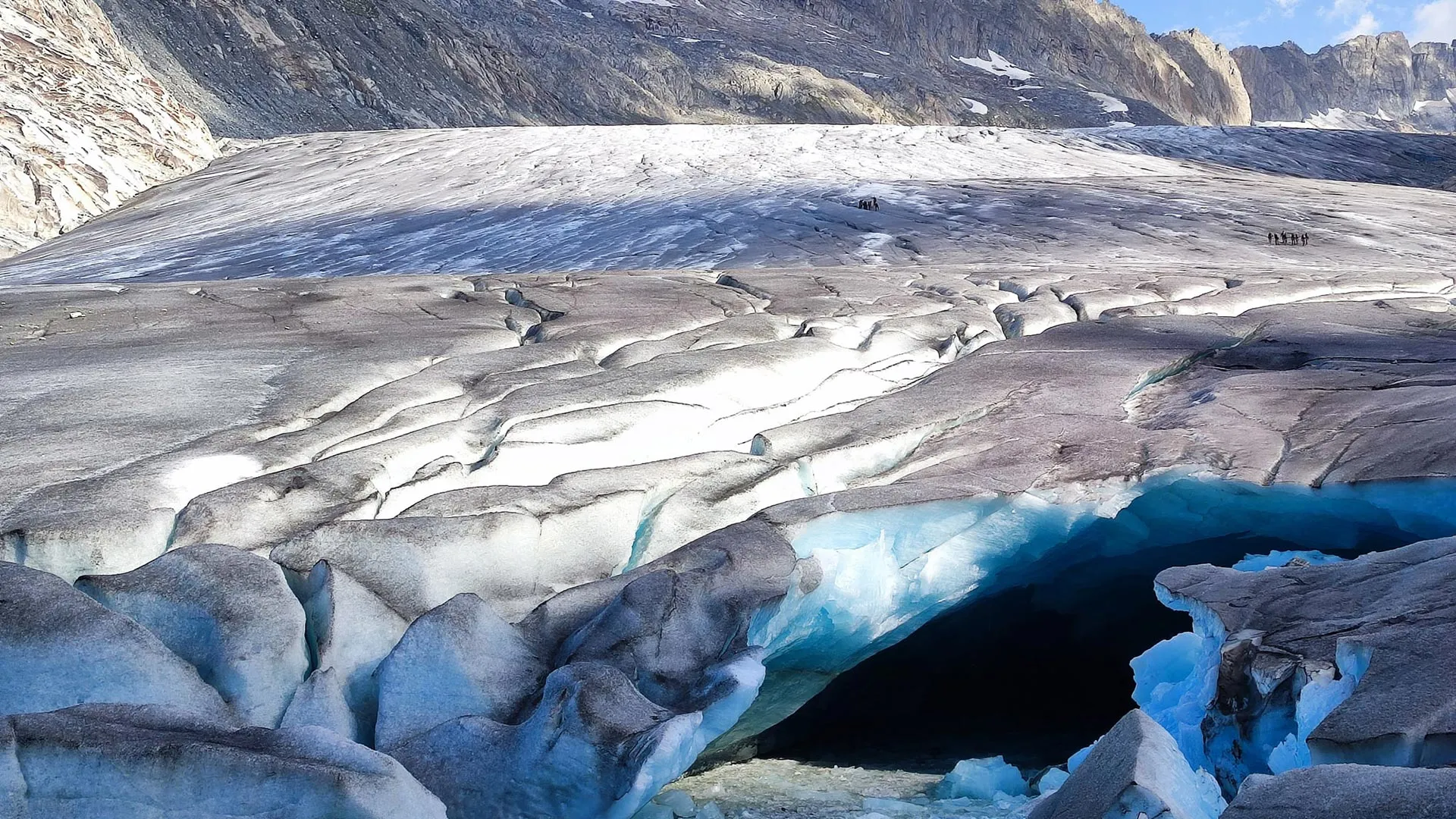
Switzerland's glacier loss accelerates to nearly 20% in five years
Switzerland's glaciers lost more than 5% of their ice volume in 2026 alone, pushing the five-year total to nearly 20%. Some of the country's most famous glaciers recorded their worst melting ever, while smaller ones vanished entirely. Unusually snowless winters and extreme summer heat are driving this measurable, empirical loss. These are not abstract climate indicators, they are calibrated, real-time signals of systemic change.
New tidal dynamics model reveals hidden melt beneath Thwaites Glacier ice
The boundary beneath Thwaites Glacier is not a static line on a map, it is a dynamic zone where tides push seawater kilometers inland beneath resting ice. A new study in *Nature Communications* incorporates these intrusions into a calibrated ice-sheet model. One conditional projection shows a sea-level contribution of roughly 3 centimeters by 2100, double previous estimates under constant forcing. That is a measured, empirical insight, not a maximum forecast.
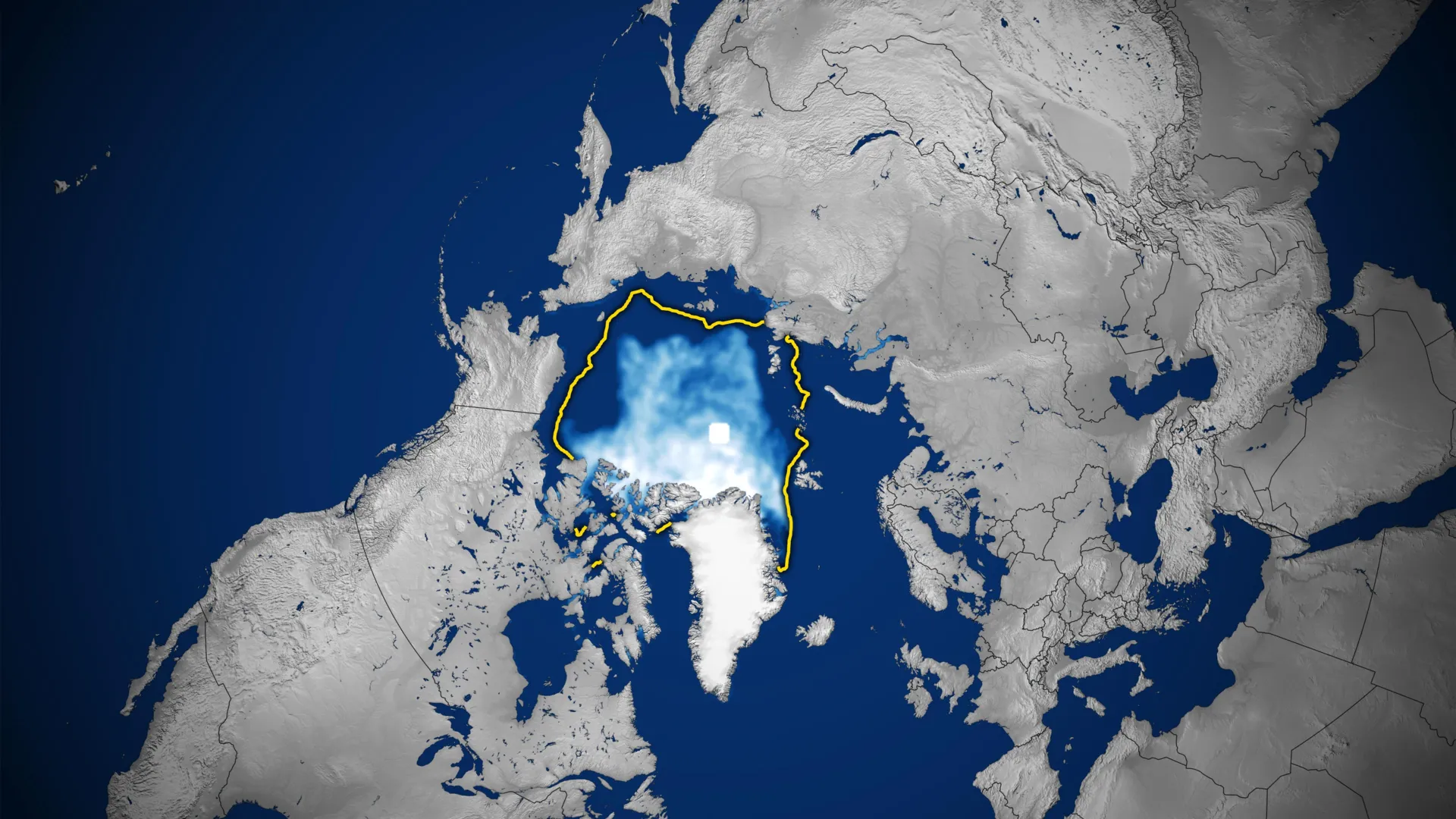
Arctic sea ice thinning persists as winter and summer records decline
Arctic sea ice is not just retreating, it is thinning. Satellite records show winter and summer ice extent declining, and the remaining ice is measurably younger and more vulnerable to melt. A nearly ice-free summer before 2050 is now a realistic projection. This loss of empirical, real-time ocean intelligence should sharpen our focus on integrated observation systems. Proposed US monitoring cuts, detailed in our related coverage, risk degrading the very data we need to track these climate indicators. Understanding drives protection.