maritime transportation
World Data Ocean keeps maritime transportation in one place: 4 stories so far. The section currently leads with “Two Hundred Clean Fuel Transfers, Zero Incidents for KAGUYA”, “Optimizing Autonomous Shipping: Data-Driven Navigation for Efficiency and Sustainability”, and “Data Signals Concerns: Shipping Practices Raise Intelligence Questions.”. Two hundred ship-to-ship LNG transfers. Autonomous shipping promises safer, cleaner seas, but only if navigation systems stop treating the ocean as an obstacle course. A Global Hub for Ocean Intelligence 4 World Data Ocean is a centralized digital platform where researchers, scientists, and ocean enthusiasts converge to… The list below is every maritime transportation story on World Data Ocean, newest first.
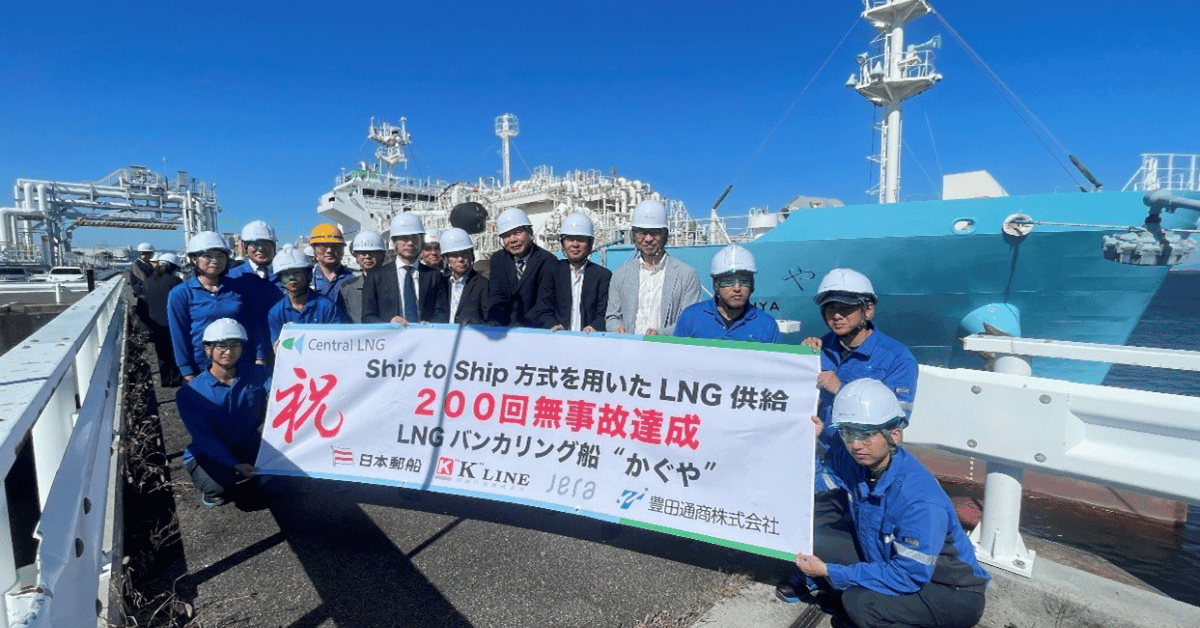
Two Hundred Clean Fuel Transfers, Zero Incidents for KAGUYA
Two hundred ship-to-ship LNG transfers. Zero incidents. KAGUYA, the dedicated bunkering vessel, has reached a milestone that speaks in the quiet language of operational discipline: consistency over time. Since 2020, every calibrated connection has held, every transfer validated. This is what measurable progress looks like in maritime decarbonization. For those tracking ocean intelligence, this record is a climate indicator worth watching. For deeper context on marine pollution, see our coverage of seafloor sediment as a plastic reservoir.

Optimizing Autonomous Shipping: Data-Driven Navigation for Efficiency and Sustainability
Autonomous shipping promises safer, cleaner seas, but only if navigation systems stop treating the ocean as an obstacle course. Our new Social-Cognitive Navigation Framework (SCNF) tackles this head-on, using historical AIS data and recursive reasoning to cut unnecessary maneuvers while keeping collision rates at zero in trials. It is not just about avoiding the other vessel; it is about reducing disturbance and operational demand. For broader maritime context, our coverage of the Kiwi Frigate's sanctions monitoring shows how data-driven awareness is reshaping naval operations.
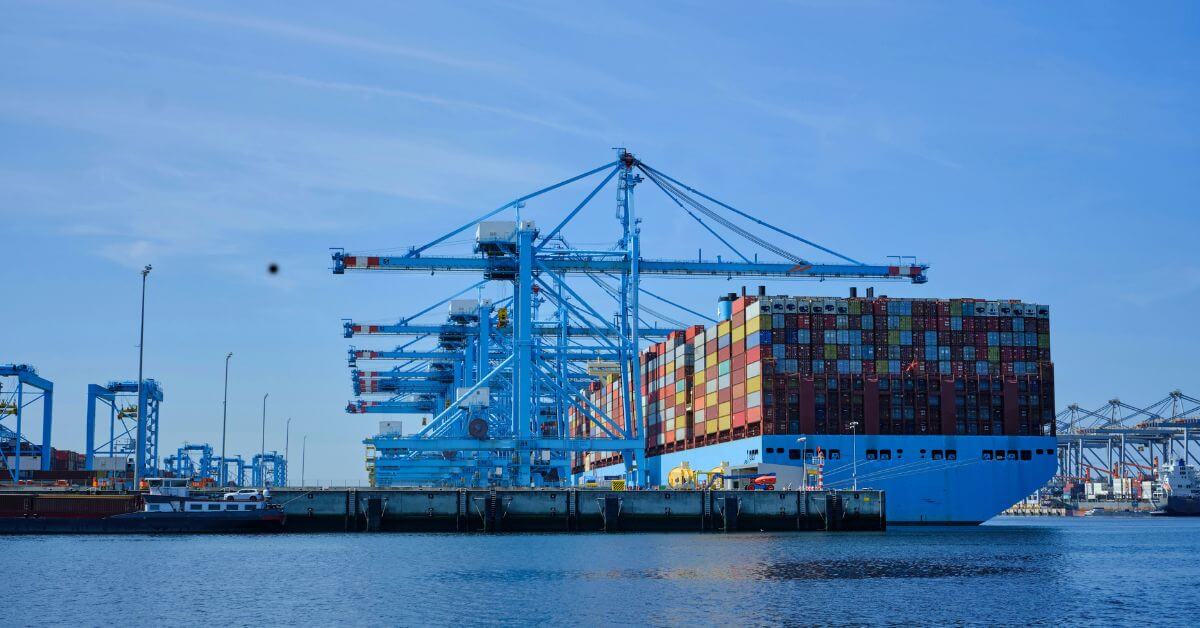
Data Signals Concerns: Shipping Practices Raise Intelligence Questions.
A new report alleges that China has arranged to collect communication signals from ships and aircraft across Europe, North America, and Asia, raising pointed intelligence questions. The claim, tied to shipping practices, demands scrutiny for its geopolitical implications. If accurate, it signals a deliberate expansion of maritime surveillance under commercial cover. This follows related coverage, including COSCO's denial of U.S. espionage claims, which adds context. Measured attention is warranted. The ocean is vast, but transparency should not drift with the current.
OODA-Informed Navigation: Enhancing Autonomous Ship Decision-Making at Sea
The OODA loop, long a mainstay of tactical decision-making, now finds a compelling application in maritime autonomy. This study confronts a core challenge head-on: collision avoidance systems that falter in complex encounters. By structuring navigation through Observe, Orient, Decide, and Act, the framework creates a closed loop where situational awareness directly informs validated maneuvering decisions. The results, verified on OpenCPN, show all target vessels cleared with DCPA well above safety thresholds. This pragmatic approach to integrating ship domain models with velocity obstacles yields COLREGs-compliant strategies.