Marine sediments
Marine sediments at World Data Ocean is a file of 4 stories. The newest of them: “Baseline OCP Levels Revealed in Tanzanian Coastal Waters: A Critical Assessment”, “Ancient Sediments Reveal AMOC’s Resilience Amid Ocean Circulation Shift”, and “Arctic Carbon Release: Seafloor Sediment Limits Greenhouse Gas Impact”. Off the coast of Unguja Island, a new baseline reveals what persists beneath the surface. Ancient seafloor sediments show that 3.4 million years ago, as the Indian Ocean's warm, salty inflow into the Atlantic nearly ceased, the AMOC held its own, parts of the overturning circulation even strengthened. A Global Hub for Ocean Intelligence 4 World Data Ocean is a centralized digital platform where researchers, scientists, and ocean enthusiasts converge to… The list below is every Marine sediments story on World Data Ocean, newest first.

Baseline OCP Levels Revealed in Tanzanian Coastal Waters: A Critical Assessment
Off the coast of Unguja Island, a new baseline reveals what persists beneath the surface. Our study detected nine of ten target organochlorine pesticides in Tanzanian coastal waters, with sediment levels of p,p′-DDT and dieldrin exceeding Canadian interim guidelines. The data signals both recent and legacy inputs, though small sample sizes mean spatial differences remain unresolved. What stands out is the descriptive, not definitive, nature of biota-to-sediment quotients, a cautious approach we respect.
Ancient Sediments Reveal AMOC’s Resilience Amid Ocean Circulation Shift
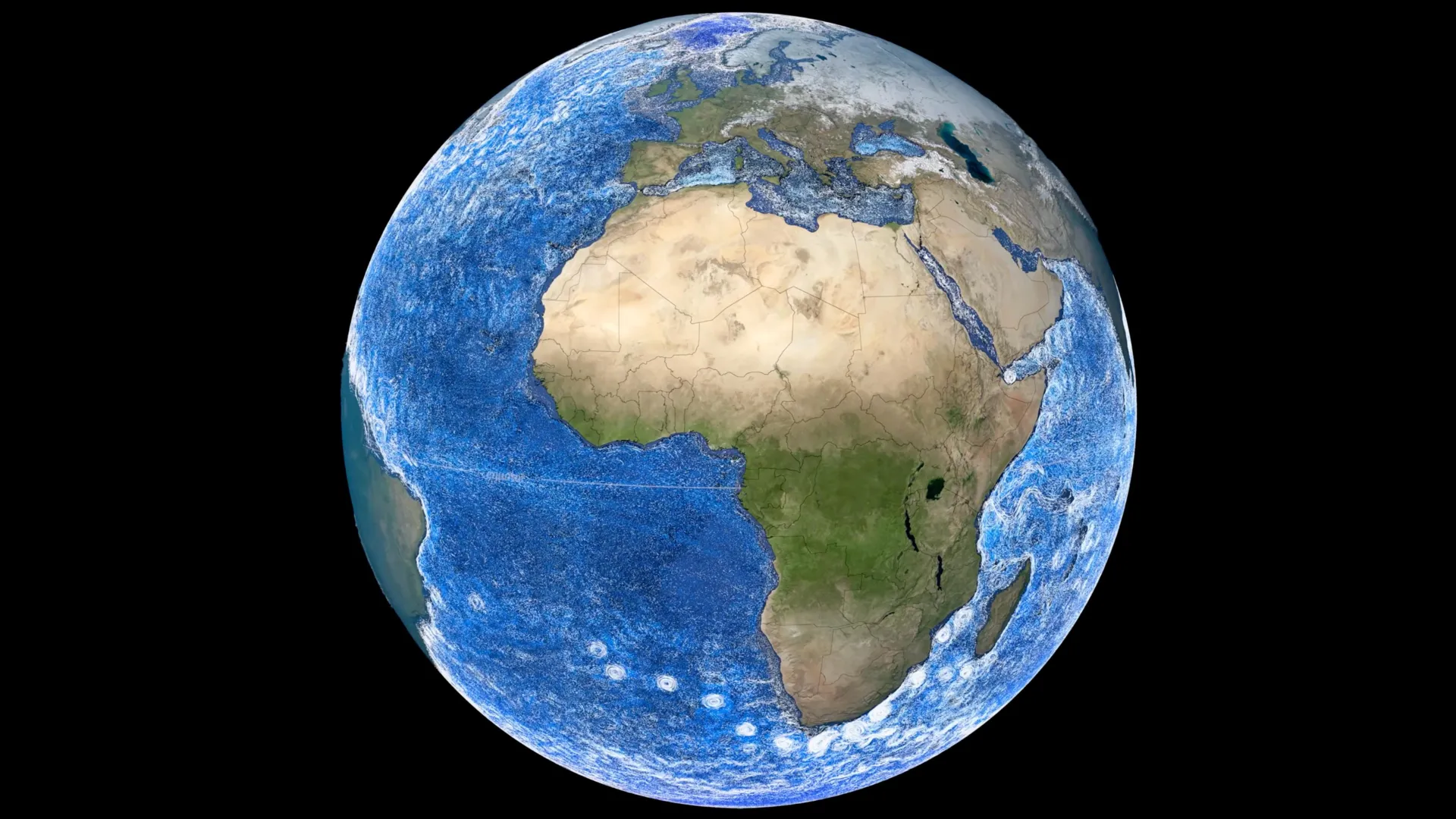
Ancient seafloor sediments show that 3.4 million years ago, as the Indian Ocean's warm, salty inflow into the Atlantic nearly ceased, the AMOC held its own, parts of the overturning circulation even strengthened. That resilience challenges assumptions about how abruptly this system can shift. It is a reminder that ocean circulation responds in ways we are still mapping. For more on how we track such changes, see "Calibrated ocean intelligence, now within reach through integrated data discovery."
Arctic Carbon Release: Seafloor Sediment Limits Greenhouse Gas Impact
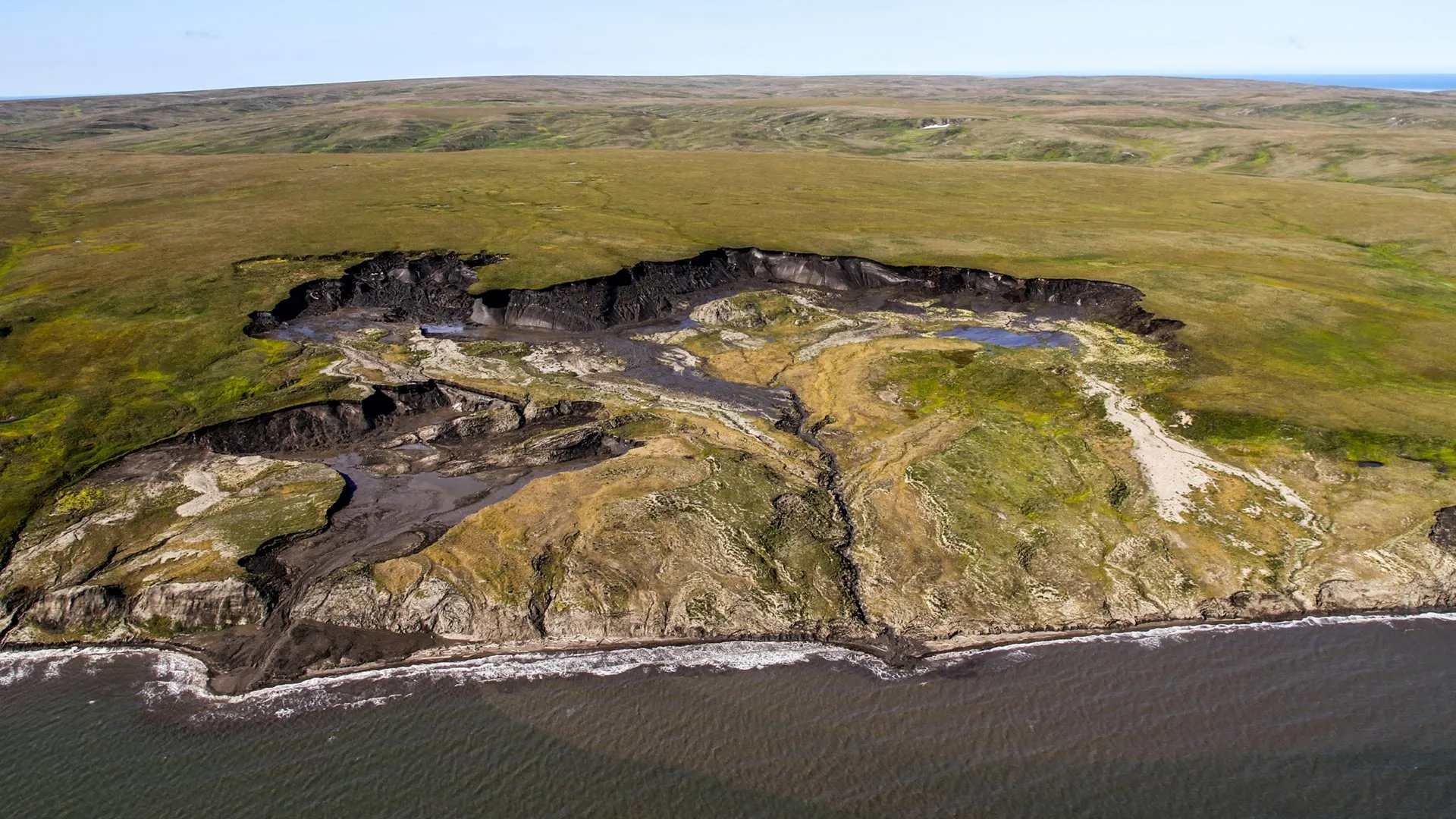
Sediment cores pulled from the seabed near Canada's Herschel Island deliver a measured counterpoint to alarm. Thawing permafrost is releasing ancient carbon into the ocean, yet the data show most of it gets buried in the seafloor, with only about 10 percent converted into greenhouse gases. That distinction matters for climate projections. We read this as a validation of integrated observation, not complacency.
Methane Seepage Shapes Magnetic Signatures in Bay of Bengal Sediments
The SMTZ leaves its mark in the sediment, and our analysis of Hole U1445A reveals a clear story: methane-driven diagenesis has reshaped both iron and sulfur chemistry over the past 6.2 million years. We found that low magnetic susceptibility often lines up with higher pyrite content, signaling where past methane seeps once drove reductive dissolution. It is a compelling geochemical fingerprint, though one best read alongside pyrite isotopes for certainty.