marine engineering
marine engineering at World Data Ocean is a file of 4 stories. The newest of them: “Seatrium to build five hydrogen-ready powerships for scalable ocean energy”, “Canada's Patrol Submarine Project Charts a Calibrated Course for Sovereign Ocean Intelligence”, and “Optimizing Wave Models with Genetic Algorithms for Typhoon Forecasting”. Seatrium will build five hydrogen-ready powerships for Karpowership's Whale Class, the company's largest design yet. The Canadian Patrol Submarine Project is not merely a fleet replacement; it is a calibrated investment in sovereign ocean intelligence. A Global Hub for Ocean Intelligence 4 World Data Ocean is a centralized digital platform where researchers, scientists, and ocean enthusiasts converge to… The list below is every marine engineering story on World Data Ocean, newest first.
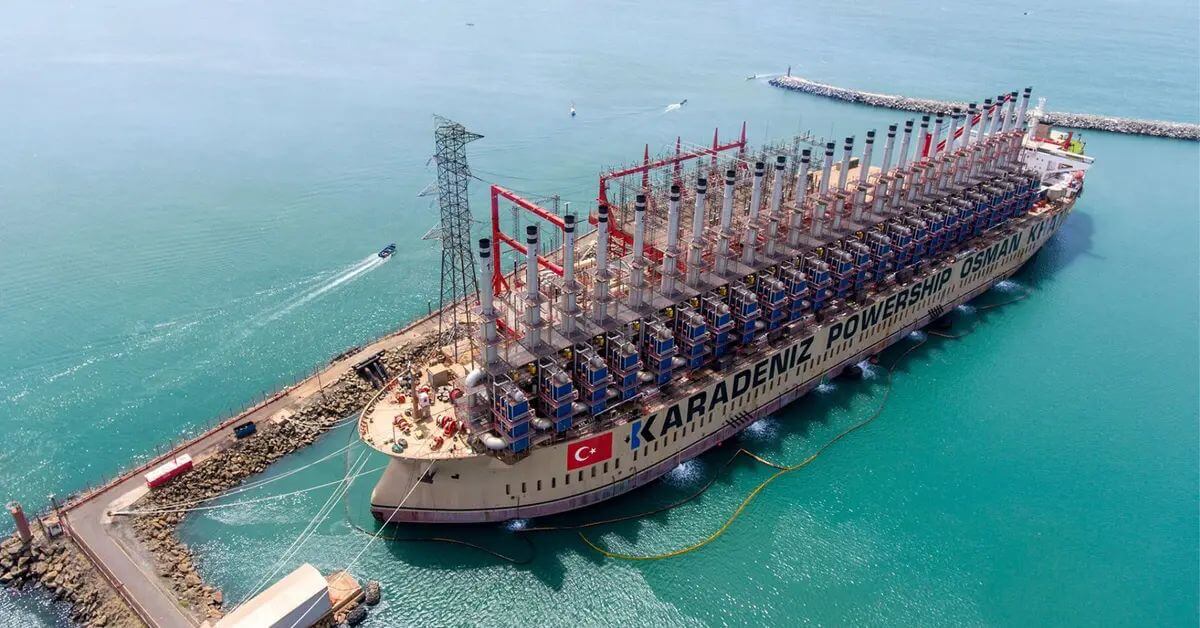
Seatrium to build five hydrogen-ready powerships for scalable ocean energy
Seatrium will build five hydrogen-ready powerships for Karpowership's Whale Class, the company's largest design yet. Each vessel delivers between 500 MW and 600 MW of scalable ocean energy. This is measurable progress toward a calibrated, integrated energy system. The Whale Class proves that industrial scale and environmental readiness can be engineered together. For deeper context on the challenges of balancing energy infrastructure with ocean stewardship, see our coverage of the protest that halted an offshore gas project.
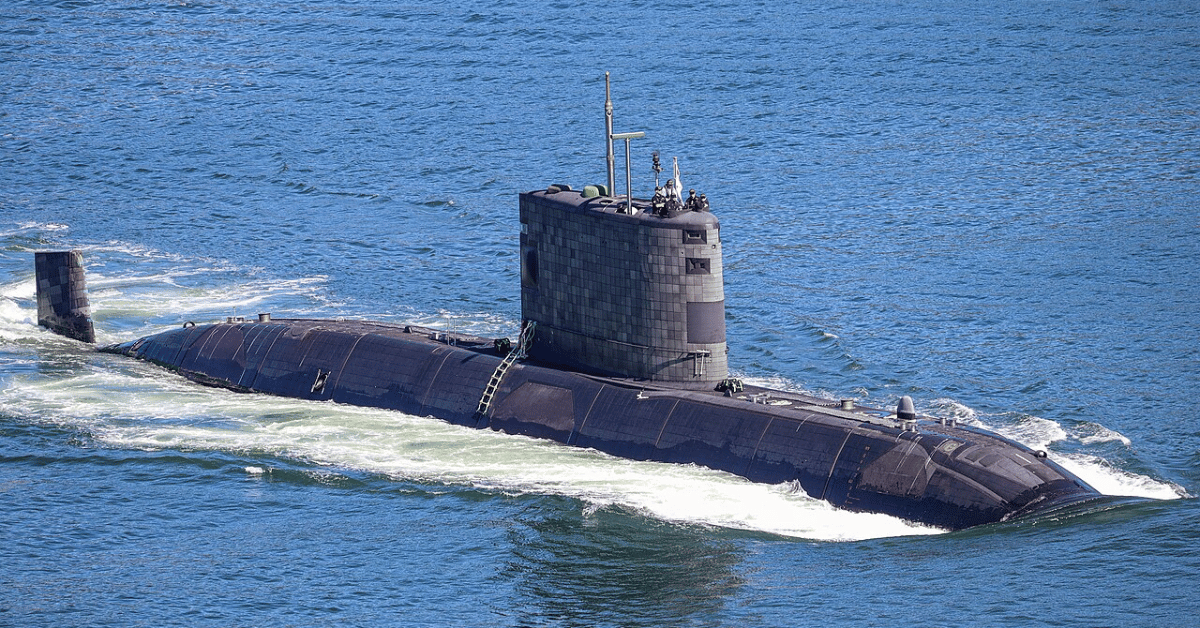
Canada's Patrol Submarine Project Charts a Calibrated Course for Sovereign Ocean Intelligence
The Canadian Patrol Submarine Project is not merely a fleet replacement; it is a calibrated investment in sovereign ocean intelligence. By planning up to 12 modern submarines to succeed the Victoria-class, Canada is prioritizing validated, long-term maritime awareness over reactive procurement. This measured approach aligns with the measured growth seen elsewhere, such as in our coverage of Kandla Port's Record Cargo Day. Understanding drives protection, and a modern submarine fleet is a precise instrument for that mission.

Optimizing Wave Models with Genetic Algorithms for Typhoon Forecasting
Typhoon-driven waves resist easy prediction, and the SWAN model knows it. Under extreme conditions, its default parameters overestimate reality, a gap this study confronts directly. By applying a genetic algorithm to optimize key physical settings, the researchers achieved measurable gains in significant wave height accuracy for two South China Sea events, though mean wave period lagged, a limitation tied to spectral complexity. The balanced parameter scheme outperformed alternatives on the engineering-critical metric.

Austal USA Delivers First U.S. Navy Floating Dry Dock in Decades
On Saturday, July 25, 2026, Austal USA launched the AFDM 15, the first U.S. Navy floating dry dock delivered in decades, moving it from its Alabama Shipyard assembly site to the water. The achievement restores a critical capability long absent from the fleet, signaling renewed industrial momentum for naval infrastructure. It also pairs with our coverage of the Navy's accelerated submarine strategy, reinforcing a broader push toward sustained maritime readiness. Precision in execution here is measurable, and the strategic timing is hard to ignore.