marine ecosystem
marine ecosystem at World Data Ocean is a file of 13 stories. The newest of them: “Ocean Color Shift Reveals Measurable Climate Indicators Worldwide”, “Photon Marine's floating battery powers a new electric workboat for New York waters”, and “Unexpected Chiton Discovery in Puerto Rico Challenges Species Distribution Models”. A measurable shift in ocean color, detected across decades of satellite data, now offers a new, empirical window into global climate change. A floating battery is about to prove its worth in New York waters. A Global Hub for Ocean Intelligence 4 World Data Ocean is a centralized digital platform where researchers, scientists, and ocean enthusiasts converge to… The list below is every marine ecosystem story on World Data Ocean, newest first.
Ocean Color Shift Reveals Measurable Climate Indicators Worldwide
A measurable shift in ocean color, detected across decades of satellite data, now offers a new, empirical window into global climate change. These are not subtle variations; they are validated indicators of biological and chemical transformation at planetary scale. Understanding drives protection. For deeper context, our coverage of "Decades of Atlantic circulation data reveal measurable climate indicators" complements this finding, reinforcing how integrated ocean intelligence reveals the pulse of a changing Earth.
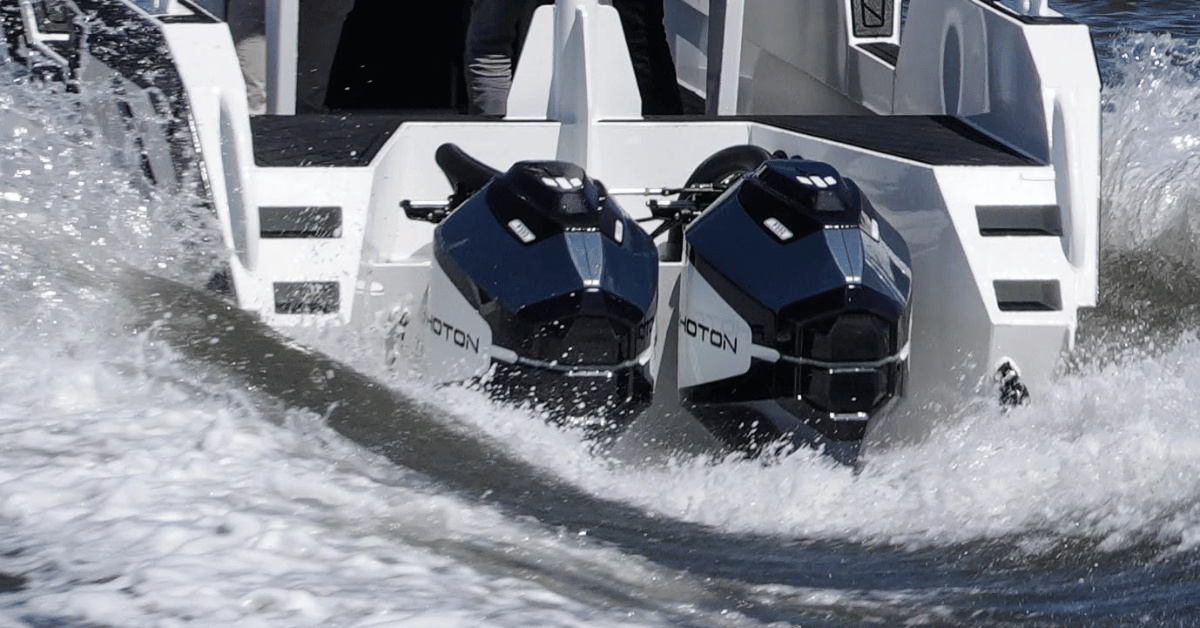
Photon Marine's floating battery powers a new electric workboat for New York waters
A floating battery is about to prove its worth in New York waters. Photon Marine has secured a $1 million award to deploy an electric workboat, fast charger, and floating energy storage platform. This is practical ocean intelligence, empirical, measurable, and deployed where it matters. We track coastal innovation because understanding drives protection. For another look at how data meets real-world marine challenges, see our coverage of satellite and field data merging to track harmful blooms in El-Mex Bay.

Unexpected Chiton Discovery in Puerto Rico Challenges Species Distribution Models
A chiton thought to be a snakeskin species has surfaced in Puerto Rico, yet that species was never documented in Caribbean or Atlantic waters. The discovery challenges the reliability of species distribution models that underpin much of our ocean intelligence. This is not a minor range extension, it is a signal that empirical data must catch up with predictive frameworks. Understanding drives protection, and this finding reminds us that validated, real-world observation remains the anchor of credible marine science.

Unidentified Marine Specimen Found on California Beach, Sparks Curiosity
A beachcomber's photograph from 2017 has resurfaced, and the unidentified marine specimen it captures still invites more questions than answers. Curiosity like this is the first step toward ocean intelligence. When we encounter the unfamiliar, we are reminded that the ocean's full record is still being read. For those drawn to such puzzles, our related coverage on unexpected discoveries, such as the chiton find in Puerto Rico, offers a useful frame. Every observation is a data point worth validating.

Unidentified Marine Organism Discovered Near Corfu Shoreline
A firm, unfamiliar organism bobbing in the shallows near Ipsos is a reminder that the nearshore still holds questions. This observer did the right thing: noting size, consistency, and the presence of additional specimens under a rock. That kind of observational detail is the bedrock of marine discovery. While identification remains open, the report underscores how citizen observations can flag anomalies worth a second look.
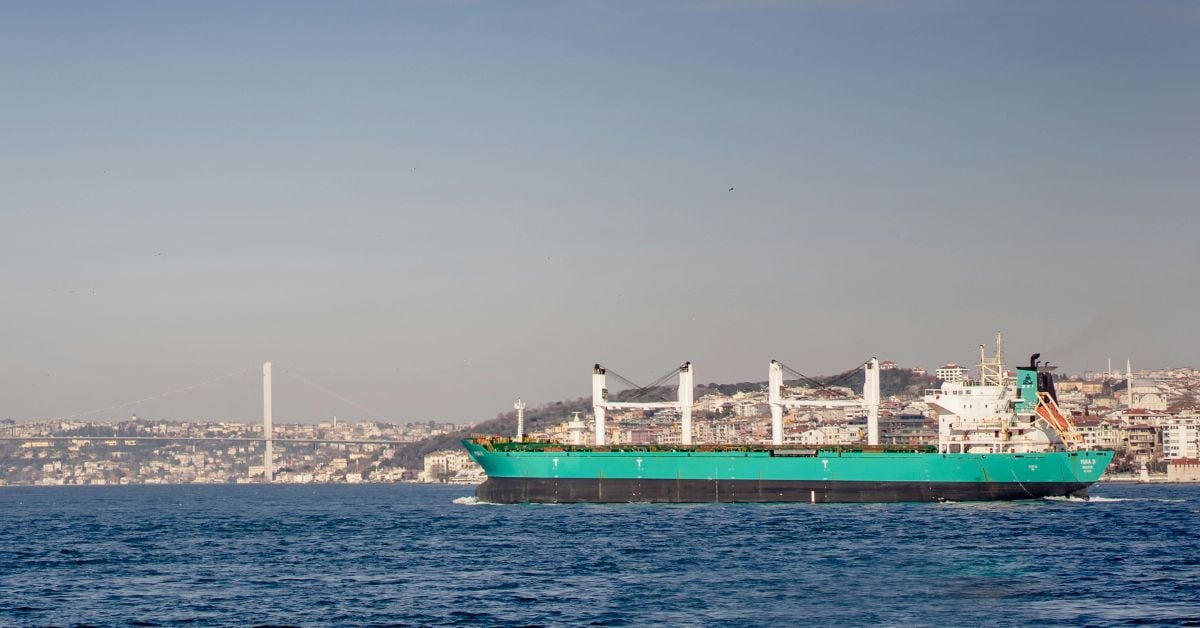
Shipping Companies Penalized for Illegal Ocean Waste Discharge
A U.S. court has found two shipping companies guilty of illegally discharging oily bilge waste into the open ocean. These are not victimless actions. Such discharges degrade marine ecosystems and undermine the calibrated, real-time monitoring systems that responsible operators rely on. Accountability is measurable, and this ruling reinforces that maritime law applies equally to all. For deeper context on how ocean security is being enforced across domains, see our coverage of the Coast Guard's recent maritime interdictions.

Mysterious Remains Wash Ashore in Lewis Bay: Can You Identify It?
A single bone fragment on a gusty September shoreline can raise more questions than answers. When the remains are unrecognizable, the instinct to identify them is both practical and primal. This Lewis Bay discovery, submitted by a curious beachcomber, is a reminder that ocean intelligence begins with observation. We cannot validate what we cannot first see. Identifying a specimen is the first step toward understanding its role in the ecosystem.
Beyond Dolphins: The Realities of a Career in Marine Biology
The public's image of marine biology often skips straight past the lab work, the data analysis, and the permit applications. It is a field defined by rigorous methodology, not casual swims. The misconception that professionals take time off to play with dolphins dismisses the scientific discipline at the core of this work. As this conversation notes, regional challenges, like those in Brazil, add further layers of complexity.

Data-Driven Ocean Biodiversity: A Path to Sustainable Stewardship.
Biodiversity data is the backbone of any meaningful effort to sustain ocean nature, yet it remains unevenly collected across the globe. Prioritizing that data is not a technical footnote; it is the foundation for measurable stewardship. We cannot manage what we cannot see. This piece examines how targeted collection efforts build the integrated data ecosystem needed for lasting impact. For broader context on how ocean data flows connect regions, our related coverage on integrated subsea cables offers a useful perspective.

Shifting Arctic Waters Fuel Baleen Whale Feeding Frenzies off Greenland
The numbers are striking: roughly 4,000 humpback whales, 6,000 fin whales, and 4,500 minke whales now regularly feed along East Greenland's coast. This marks a profound ecological shift, driven by a late-1990s change point in sea surface temperatures and a post-2000 reduction in summer pack ice. These physical changes have facilitated access for boreal species, enabling them to exploit newly established capelin resources. This rapid borealization carries major implications for predator-prey dynamics, a theme echoed in our coverage of El Niño's unprecedented ocean warming.

Differentiating Dorids: Oregon Coast Sea Slug Identification Challenge
A 2- to 3-inch Heath's or Monterey dorid is a fair identification puzzle, and the confusion is understandable given how closely these species mirror one another. The range of smaller sizes observed that day adds useful context, though it doesn't settle the matter on its own. For those chasing ocean intelligence, such field distinctions matter.
Data-Driven Solutions for a Sustainable Ocean Future
Every observation we log, from a chiton's unexpected presence in Puerto Rico to a mystery specimen washing ashore in California, sharpens our collective picture of the ocean. These are not isolated curiosities; they are data points that refine the models guiding our stewardship. We treat each report as a signal worth integrating into a larger, peer-reviewed framework. Understanding drives protection, but only when we connect the dots.

Following Dolphins: Unidentified Sharks Observed in Raja Ampat
Four small sharks shadowed a pod of dolphins through Raja Ampat's blue water, yet their dorsal fins carried no white edge. The observer's first guess, grey reef sharks, now feels uncertain, and they are right to question it. Silky sharks are a plausible call, though juvenile scalloped hammerheads also fit the bill. Field identification rewards this kind of scrutiny, the difference between assumption and evidence.