magma
World Data Ocean keeps magma in one place: 2 stories so far. The section currently leads with “Deep beneath Japan, Kikai caldera's magma reservoir is actively refilling” and “Magma and microbial activity may rewrite a 2-billion-year-old carbon signal”. Deep beneath Japan's Kikai caldera, a massive magma reservoir is actively refilling 7,300 years after one of Earth's most powerful eruptions. A 2-billion-year-old chemical signature, long read as a planetary turning point, may instead record a quieter, more local story. A Global Hub for Ocean Intelligence 4 World Data Ocean is a centralized digital platform where researchers, scientists, and ocean enthusiasts converge to… The list below is every magma story on World Data Ocean, newest first.
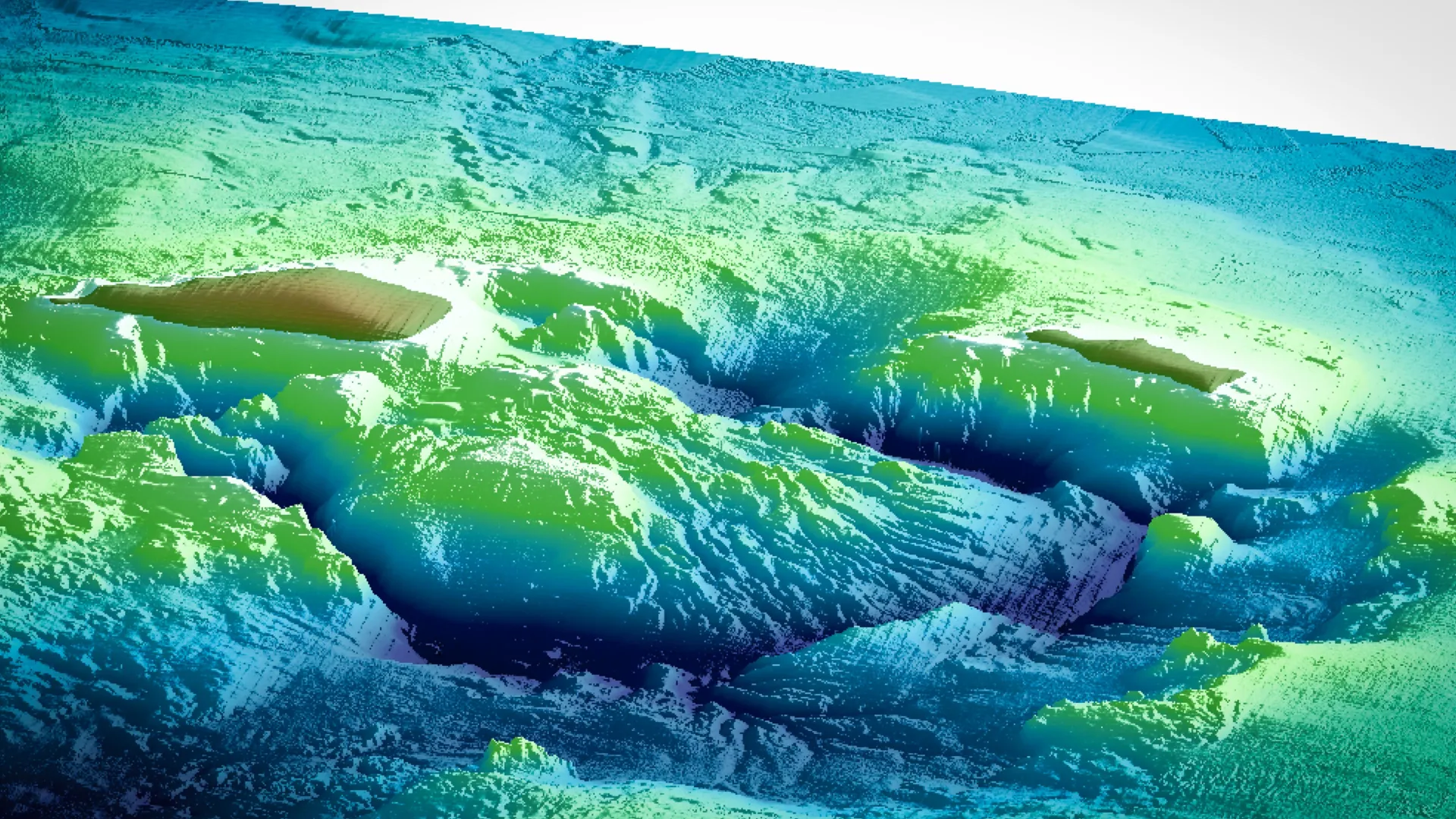
Deep beneath Japan, Kikai caldera's magma reservoir is actively refilling
Deep beneath Japan's Kikai caldera, a massive magma reservoir is actively refilling 7,300 years after one of Earth's most powerful eruptions. Scientists used underwater seismic surveys to reveal this vast store of magma, which appears to have accumulated since the ancient catastrophe. The finding is a rare empirical window into how supervolcanoes like Yellowstone and Toba rebuild their supplies. For deeper ocean intelligence, see our coverage of the USS Robert Smalls' Pacific deployment.
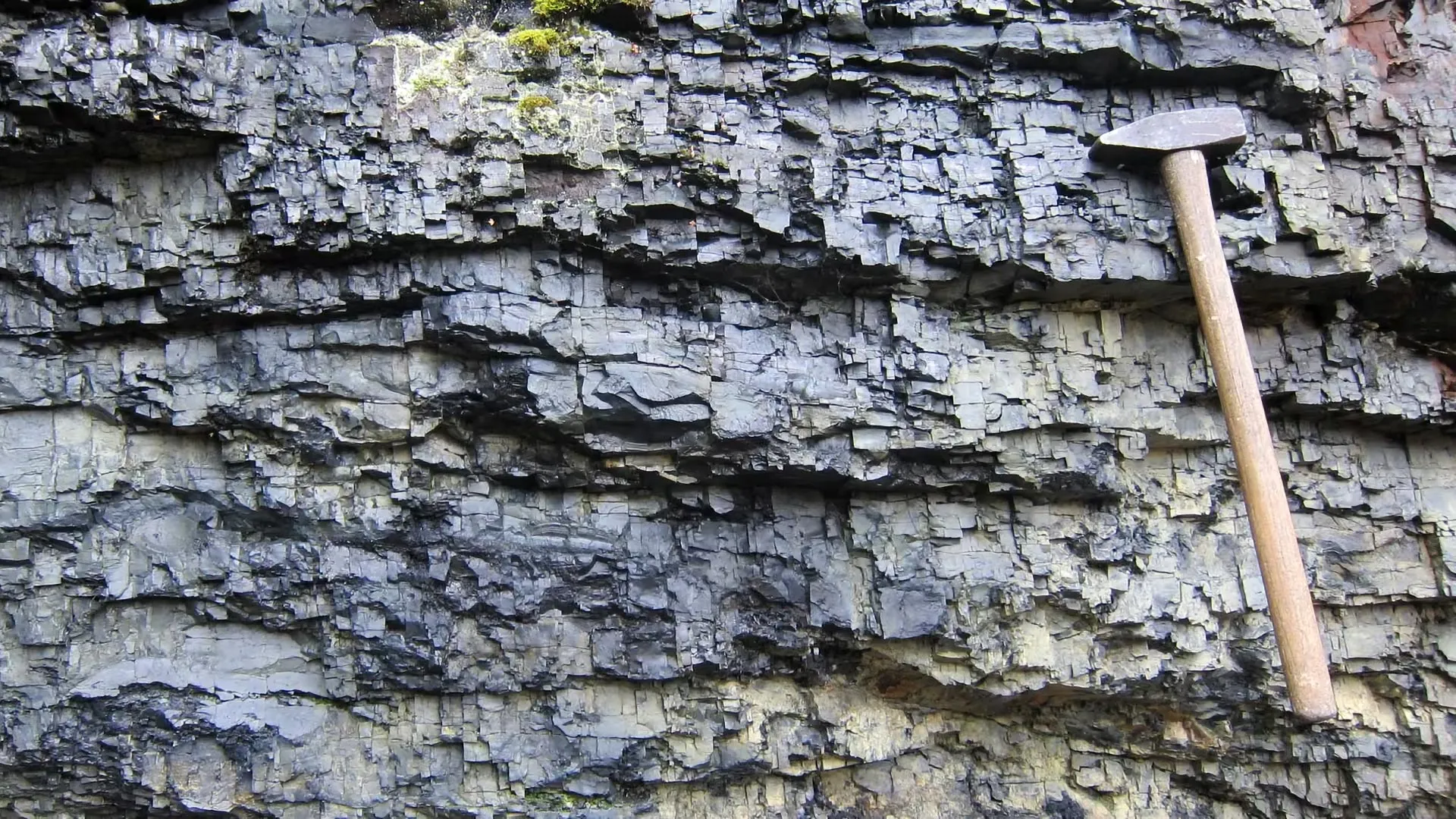
Magma and microbial activity may rewrite a 2-billion-year-old carbon signal
A 2-billion-year-old chemical signature, long read as a planetary turning point, may instead record a quieter, more local story. Scientists found that magma, hydrocarbons, and methane-eating microbes could have produced the signal, not a global shift in Earth's carbon cycle. That distinction matters. It asks us to revisit assumptions about oxygen's rise with calibrated caution. For more context on how Earth's systems respond to pressure, our piece on El Niño's unprecedented ocean warming offers a useful parallel. Understanding drives protection.