Lockheed Martin
Lockheed Martin at World Data Ocean is a file of 5 stories. The newest of them: “U.S. Navy to Field Army's PAC-3 MSE Interceptor on Warships by 2029”, “Remote Command Over 2,100 Miles Validates Carrier-Based Drone Integration”, and “Saildrone Surveyor Demonstrates Precision Strike Capability in RIMPAC Exercise”. The U.S. A U.S. A Global Hub for Ocean Intelligence 4 World Data Ocean is a centralized digital platform where researchers, scientists, and ocean enthusiasts converge to… The list below is every Lockheed Martin story on World Data Ocean, newest first.
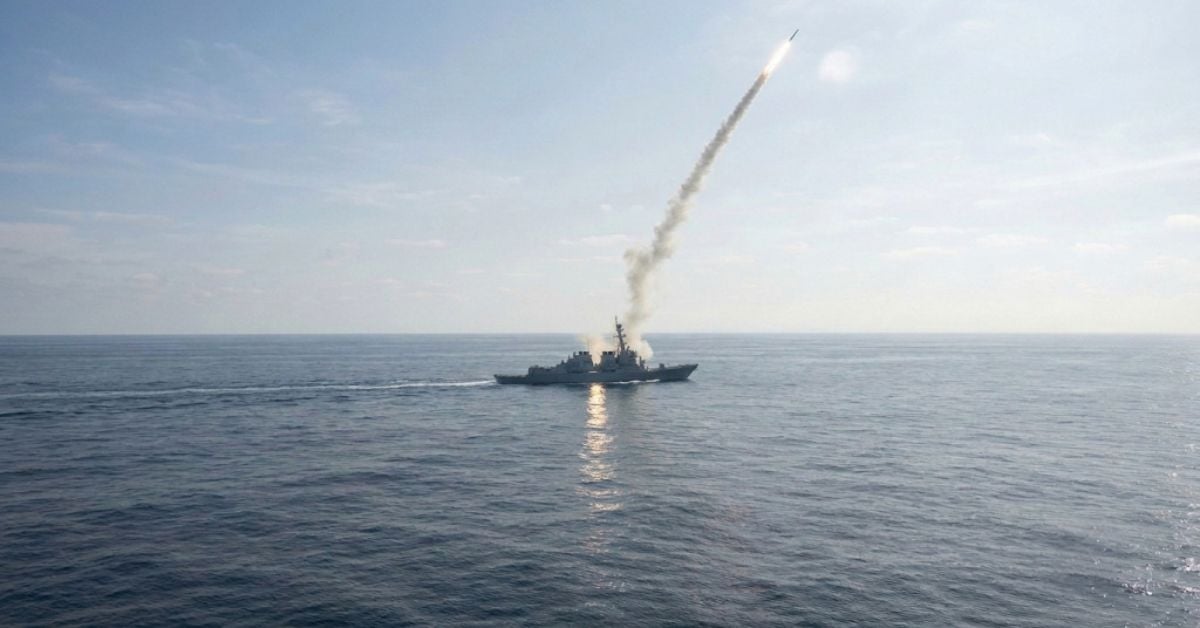
U.S. Navy to Field Army's PAC-3 MSE Interceptor on Warships by 2029
The U.S. Navy will integrate the Army's PAC-3 MSE interceptor onto warships by 2029, a move that expands combat capability through cross-service interoperability. This is not merely a hardware swap. It represents a calibrated response to evolving maritime threats, where validated, real-time defense systems matter most. Understanding drives protection. For deeper context on allied naval modernization, see our coverage of the 1,000th ESSM Block 2 delivery, a parallel milestone in integrated fleet defense.
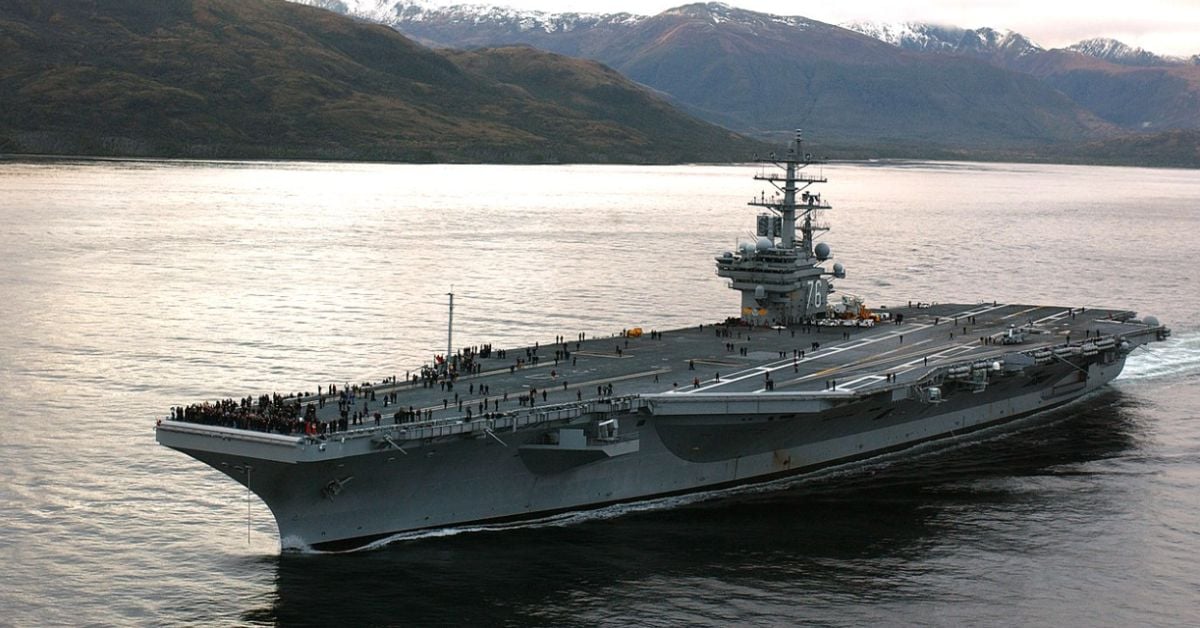
Remote Command Over 2,100 Miles Validates Carrier-Based Drone Integration
A U.S. Navy team connected to and controlled an MQ-25A Stingray from the carrier USS Ronald Reagan, sailing more than 2,100 miles away. This remote command over open ocean validates carrier-based drone integration with empirical precision. It is not a laboratory test; it is calibrated, real-world readiness. For deeper context on how such naval capabilities intersect with regional security, see our coverage of monitoring naval activity in the South China Sea.

Saildrone Surveyor Demonstrates Precision Strike Capability in RIMPAC Exercise
The 20-metre Saildrone Surveyor, fitted with a JAGM dual launcher and ARES fire-control system, has demonstrated a precision strike capability during the RIMPAC exercise. This is not about aggression; it is about proving that uncrewed platforms can deliver calibrated, effective response in complex maritime environments. The integration of such systems into a validated data ecosystem is a measured step forward. For broader context on how uncrewed and subsea technologies are reshaping ocean intelligence, our piece on integrated subsea cables offers a useful parallel.

Australia Integrates Combat Systems for Virginia-Class Submarine Fleet.
The Australian Submarine Agency has awarded Lockheed Martin a two-year, AUD$26.5 million contract to integrate combat systems for the Virginia-class submarine fleet. It is a measured step, but one that signals serious intent. Precision here is not optional; it is foundational to credible deterrence. This work will define how effectively the fleet operates in a contested region. For broader context on regional maritime pressures, our piece on India's expanded naval fleet projections offers a useful counterpoint to Australia's own strategic trajectory.

Rapid AI Sonar Retraining Boosts Navy’s Deep-Sea Monitoring Capabilities
Lockheed Martin reports that rapid AI sonar retraining now lets naval helicopter operators monitor twice as many sonar feeds as older systems allowed. That is not incremental improvement; it is a measurable leap in how much underwater intelligence a single crew can process in real time. The capability feels less like a convenience and more like a necessity, given the growing complexity of deep-sea operations.