law enforcement
8 stories filed under law enforcement on World Data Ocean. The newest of them: “Validating coordinated ocean response through Europe's COASTEX 2026 trial”, “Navigating Legal Waters: Unmanned Vessels and Maritime Law Enforcement”, and “Abraham Lincoln Carrier Completes Middle East Deployment, Heads to Thailand.”. Off Sicily this week, European partners are putting multi-agency maritime response to the test during COASTEX 2026, a trial led by EMSA that validates coordinated ocean response at scale. The legal status of unmanned vessels in maritime law enforcement remains unresolved, and the gaps are becoming harder to ignore. A Global Hub for Ocean Intelligence 4 World Data Ocean is a centralized digital platform where researchers, scientists, and ocean enthusiasts converge to… The list below is every law enforcement story on World Data Ocean, newest first.
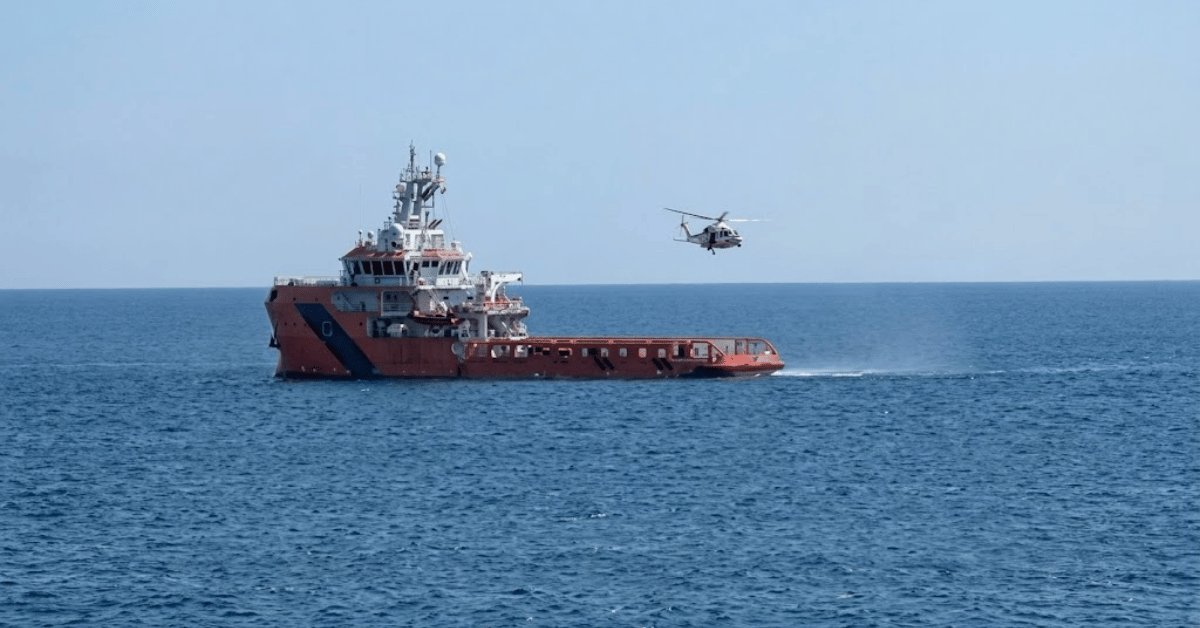
Validating coordinated ocean response through Europe's COASTEX 2026 trial
Off Sicily this week, European partners are putting multi-agency maritime response to the test during COASTEX 2026, a trial led by EMSA that validates coordinated ocean response at scale. The exercise measures what happens when surveillance, coast guards, and navies share real-time data under pressure. Precision matters most when lives are at sea. Our recent coverage of Bulgaria's search for missing crew after a drone strike reinforces why these calibrated, collaborative drills are essential, not theoretical.

Navigating Legal Waters: Unmanned Vessels and Maritime Law Enforcement
The legal status of unmanned vessels in maritime law enforcement remains unresolved, and the gaps are becoming harder to ignore. The analysis of the warship, military device, and ship doctrines is a necessary step toward clarity. We find the ship doctrine, grounded in navigation competency, the most defensible under international law. Yet the three challenges it identifies, algorithmic equivalence, black-box opacity, and fragmented accountability, are real obstacles.
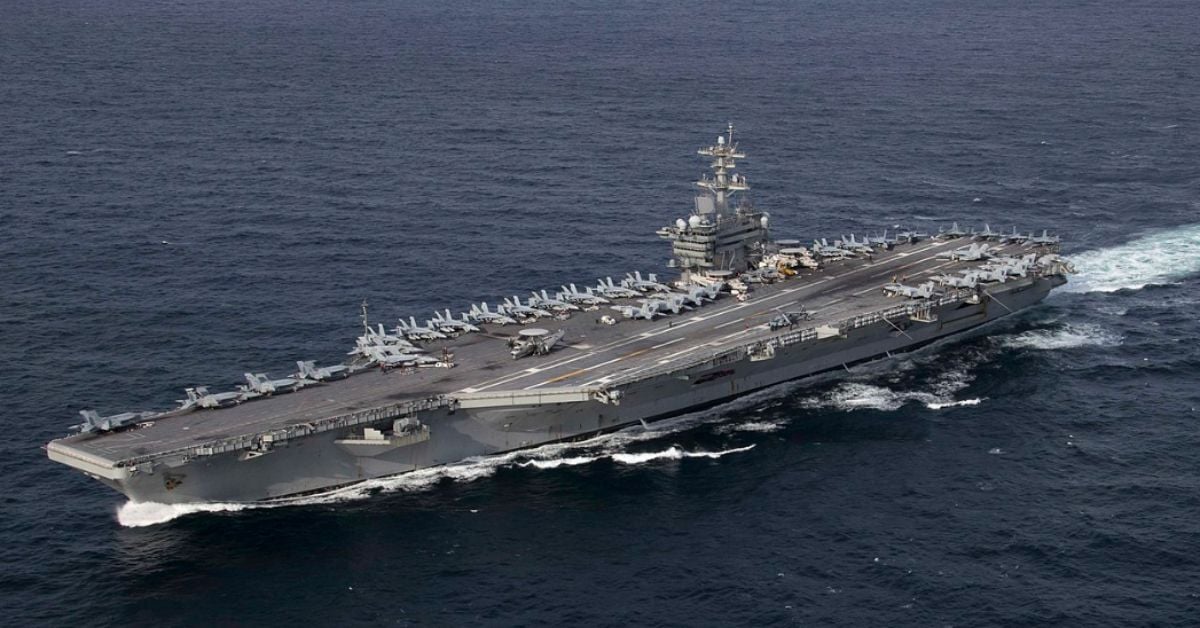
Abraham Lincoln Carrier Completes Middle East Deployment, Heads to Thailand.
The USS Abraham Lincoln will dock in Thailand after a lengthy Middle East deployment, a measured conclusion to months of forward presence. The carrier's transit home marks a routine yet significant operational milestone, reflecting sustained naval readiness across the region. While this return is standard, it underscores the quiet endurance required for global security. For broader context on maritime activity, our piece on Gulf of Oman STS transfers offers timely perspective.

Strengthening Maritime Cooperation: India and New Zealand Deepen Defence Ties
India and New Zealand concluded their second Defence Strategic Dialogue in Wellington, signaling a deliberate expansion of bilateral security cooperation. The talks underscore a shared commitment to maritime stability across the Indo-Pacific, where rules-based order remains essential. These are not abstract discussions; they produce calibrated, actionable outcomes. Strengthened ties here complement broader efforts to secure vital sea lanes, much like the multinational push detailed in "Eighty Nations Urge Reopening of Vital Strait of Hormuz Shipping Lane.

Maritime Operations Linked to Drug Trafficking in Eastern Pacific
The transfer of cocaine from ocean-going vessels to go-fast boats is a deliberate tactic, one that exploits the vastness of the Eastern Pacific. This handoff is a critical pressure point in the maritime domain, where tracking requires both vigilance and international coordination. We see this not as a simple smuggling route, but as a direct challenge to the integrity of our shared ocean space. Such operations underscore the need for persistent, data-driven surveillance.

Atlantic Interdiction: Significant Cocaine Shipment Seized, Four Arrested
A coordinated maritime interdiction has led to the seizure of a significant cocaine shipment and the arrest of four crew members, including two Spanish nationals, a Gibraltar resident, and an Albanian citizen living in Italy. The operation underscores the persistent pressure on illicit trafficking routes across the Atlantic. While each interdiction stands on its own, it connects to broader patterns of ocean security. Our related coverage, including "Maritime Interdictions Yield 25,000 Pounds of Cocaine, Supporting Ocean Security," offers further context on these enforcement efforts.

Data-Enabled Recovery: GPS Trackers Aid Seizure of Cocaine at Sea
A waterproof bundle fitted with a GPS tracker sounds like a clever recovery mechanism, yet the operation nearly failed before it could succeed. The technology performed as designed, but the margin for error was evidently thin. This incident underscores how validated, real-time data can sharpen maritime enforcement, though it also reminds us that even the best tools leave little room for complacency.

Asia Sees Seven-Year Low in Ship Robberies During First Half of 2026
Armed robbery against ships in Asian waters fell to its lowest level in seven years during the first half of 2026, a measurable sign of progress in maritime security. The decline validates sustained patrols and regional coordination, though it is no cause for complacency. Fewer incidents mean safer sea lanes, but the trend must hold across a full year to carry real weight. For broader context on regional naval strategy, our coverage of India's expanded fleet projections offers a useful counterpoint.