Joint Maritime Information Centre
3 stories filed under Joint Maritime Information Centre on World Data Ocean. The newest of them: “Unverified Report Links Strait of Hormuz Mine to LNG Tanker Fire”, “US maritime advisory flags ship-to-ship transfers as blockade evasion risk”, and “Weekly tanker strikes near Strait of Hormuz reach highest count in years”. An unverified report from Iran's Revolutionary Guards claims an LNG tanker caught fire after striking a naval mine in the Strait of Hormuz. The new US CENTCOM advisory is precise: ships that receive Iranian-loaded cargo through ship-to-ship transfers may be treated as blockade evaders, risking boarding or seizure. A Global Hub for Ocean Intelligence 4 World Data Ocean is a centralized digital platform where researchers, scientists, and ocean enthusiasts converge to… The list below is every Joint Maritime Information Centre story on World Data Ocean, newest first.
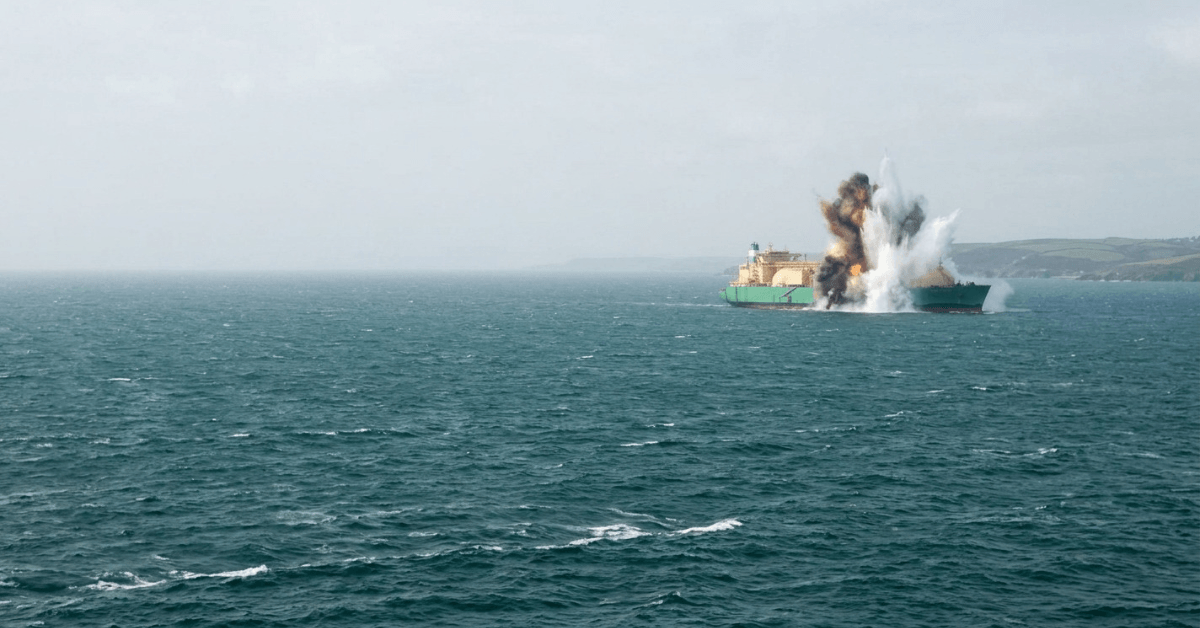
Unverified Report Links Strait of Hormuz Mine to LNG Tanker Fire
An unverified report from Iran's Revolutionary Guards claims an LNG tanker caught fire after striking a naval mine in the Strait of Hormuz. Independent confirmation remains absent, and the incident highlights the persistent vulnerability of critical maritime chokepoints. For deeper context on how such disruptions reshape global trade, see our related coverage of UNCTAD's Review of Maritime Transport 2026, which projects zero trade growth this year.
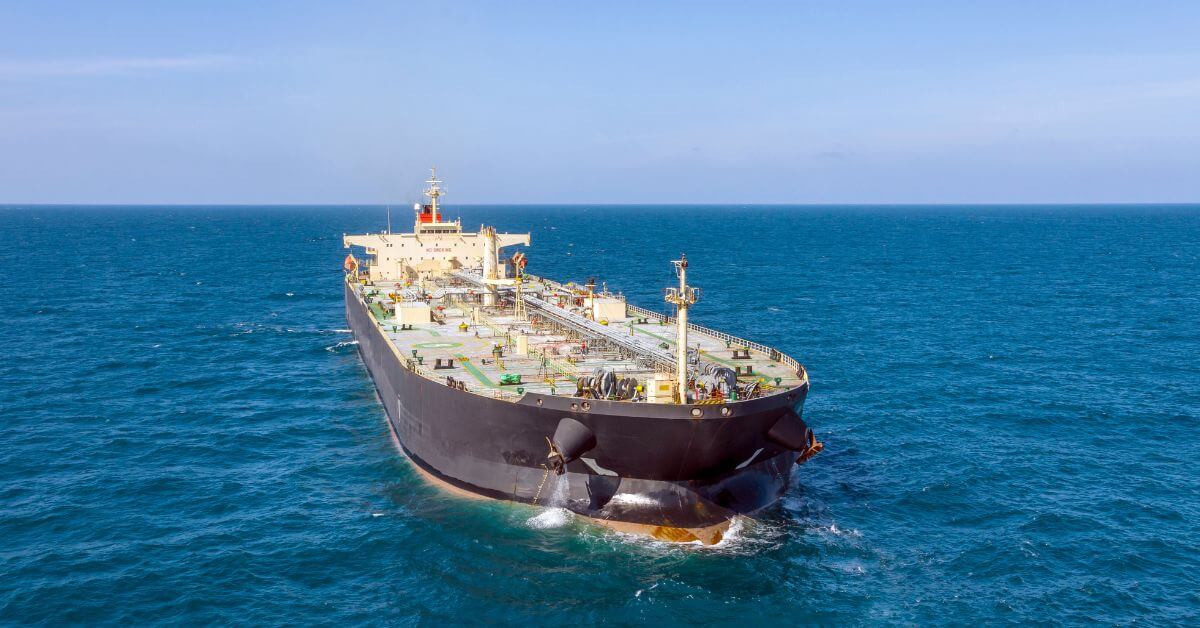
US maritime advisory flags ship-to-ship transfers as blockade evasion risk
The new US CENTCOM advisory is precise: ships that receive Iranian-loaded cargo through ship-to-ship transfers may be treated as blockade evaders, risking boarding or seizure. This is not a vague warning, it is a calibrated escalation in maritime enforcement. The logic is measurable and grounded in empirical risk. For context on the shifting naval posture, see our related coverage of "Carrier Presence Shifts as Middle East Naval Posture Reduces to Two Vessels." Understanding these integrated threats is the first step toward navigating them.
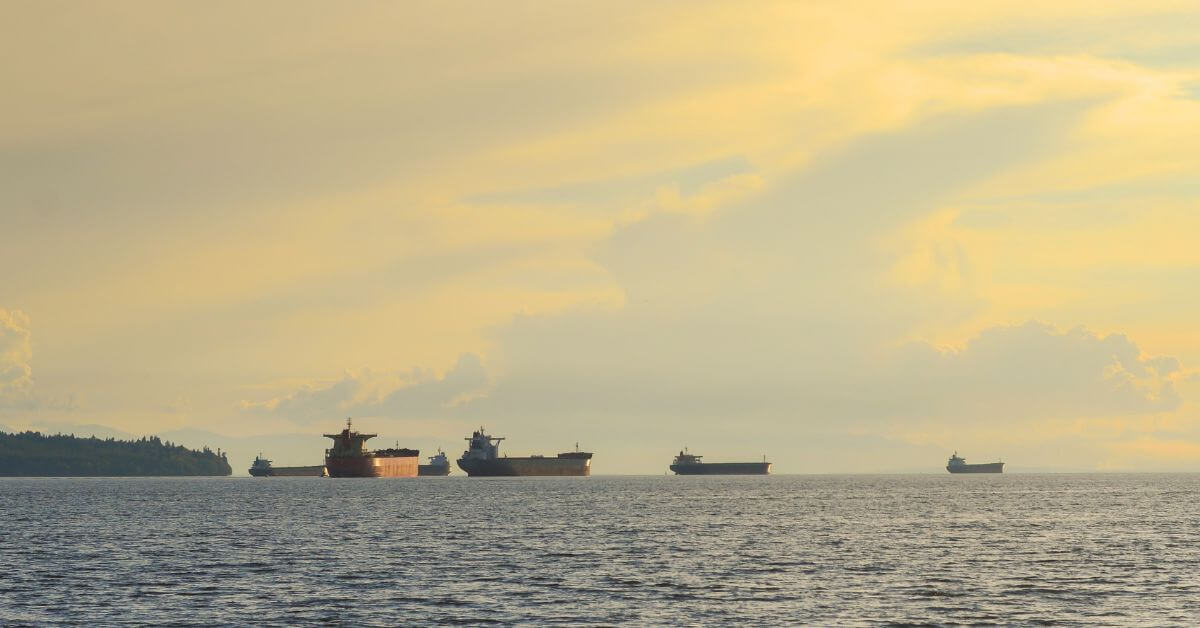
Weekly tanker strikes near Strait of Hormuz reach highest count in years
Twelve attacks on oil, LNG, and LPG tankers near the Strait of Hormuz in a single week mark the highest count in years, a measurable escalation in maritime risk. These are not isolated incidents; they are part of a broader pattern of aggression that demands empirical attention. For deeper context on the region's reliability, see our related coverage on verified transit data that counters Iranian claims of closure. Understanding these attacks requires calibrated, real-time intelligence, not alarm.