ISO standards
ISO standards at World Data Ocean is a file of 3 stories. The newest of them: “India's ₹10,000 Crore Plan Calibrates Domestic Container Production for Maritime Resilience”, “Advancing Maritime Standards: A Global Framework for Hydrogen and Smart Ships”, and “Integrated Supply Chains: Maersk Invests in Indian Container Manufacturing”. India's ₹10,000 crore Container Manufacturing Promotion Scheme is a calibrated response to a fragile maritime supply chain. Standards define the next wave of maritime progress, and ABS is helping to set them. A Global Hub for Ocean Intelligence 4 World Data Ocean is a centralized digital platform where researchers, scientists, and ocean enthusiasts converge to… The list below is every ISO standards story on World Data Ocean, newest first.
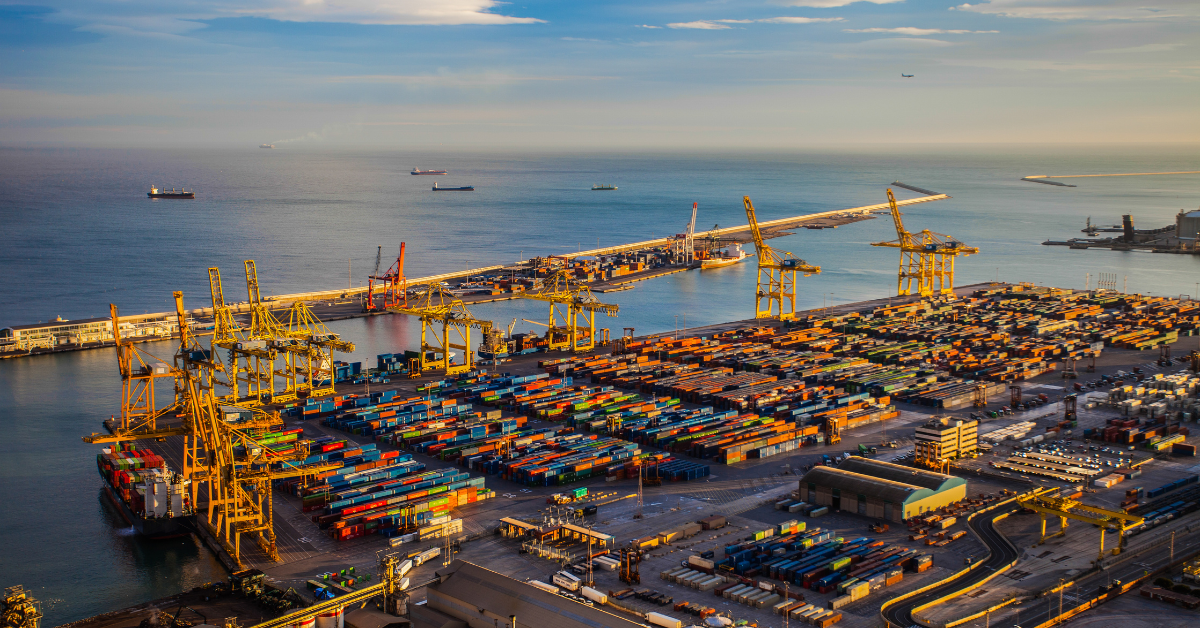
India's ₹10,000 Crore Plan Calibrates Domestic Container Production for Maritime Resilience
India's ₹10,000 crore Container Manufacturing Promotion Scheme is a calibrated response to a fragile maritime supply chain. By targeting an annual capacity of 7.5 lakh TEUs, the plan reduces import dependence and builds resilience where it matters most. This is not just industrial policy, it is measurable action toward self-reliance. For deeper context on India's maritime ambitions, see our coverage of validated agreements steering the nation toward 2047 hub status.
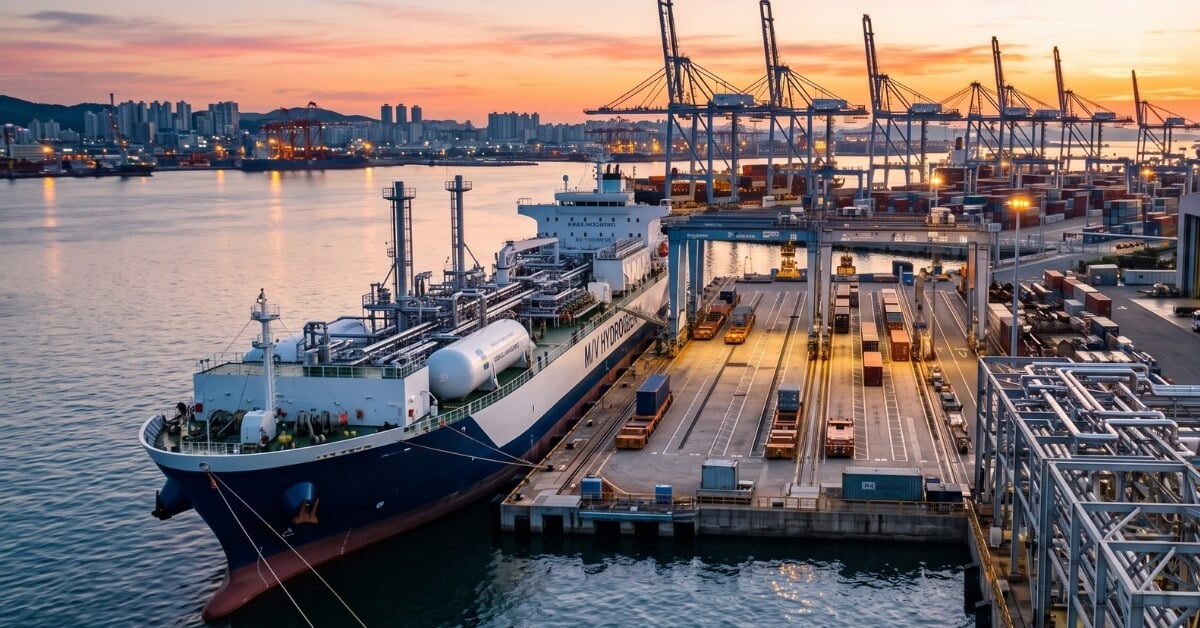
Advancing Maritime Standards: A Global Framework for Hydrogen and Smart Ships
Standards define the next wave of maritime progress, and ABS is helping to set them. The classification society has signed a memorandum of understanding with three Korean maritime organizations to advance international standards for hydrogen-powered and smart ships. This is practical, forward-looking work. Collaboration across borders is how ocean intelligence matures. For broader context on naval growth, our piece on India's expanded fleet offers a useful parallel. But this agreement is about building the framework itself, and that is where lasting impact begins.

Integrated Supply Chains: Maersk Invests in Indian Container Manufacturing
Maersk's decision to invest in Indian container manufacturing answers a direct call from Prime Minister Narendra Modi, and it's a strategic move that strengthens supply chain resilience where it matters most. This is not just about steel boxes; it's about building sovereign capability within a global network. The timing aligns with India's broader maritime momentum, particularly as ports like Paradip gain Mega Port status. When logistics infrastructure matures in tandem, the entire region benefits.