integration
World Data Ocean keeps integration in one place: 3 stories so far. The section currently leads with “Autonomous surface vessel joins carrier strike group in historic first”, “Germany Integrates Naval IRIS-T Launchers into F125 Frigate Modernization Plan”, and “Integrated Vessel Management Bolsters Safety Across MOL's Fleet”. For the first time in U.S. Germany's decision to mount two deck-launched IRIS-T systems on each F125 frigate is a calibrated, measurable upgrade to naval defense. A Global Hub for Ocean Intelligence 4 World Data Ocean is a centralized digital platform where researchers, scientists, and ocean enthusiasts converge to… The list below is every integration story on World Data Ocean, newest first.
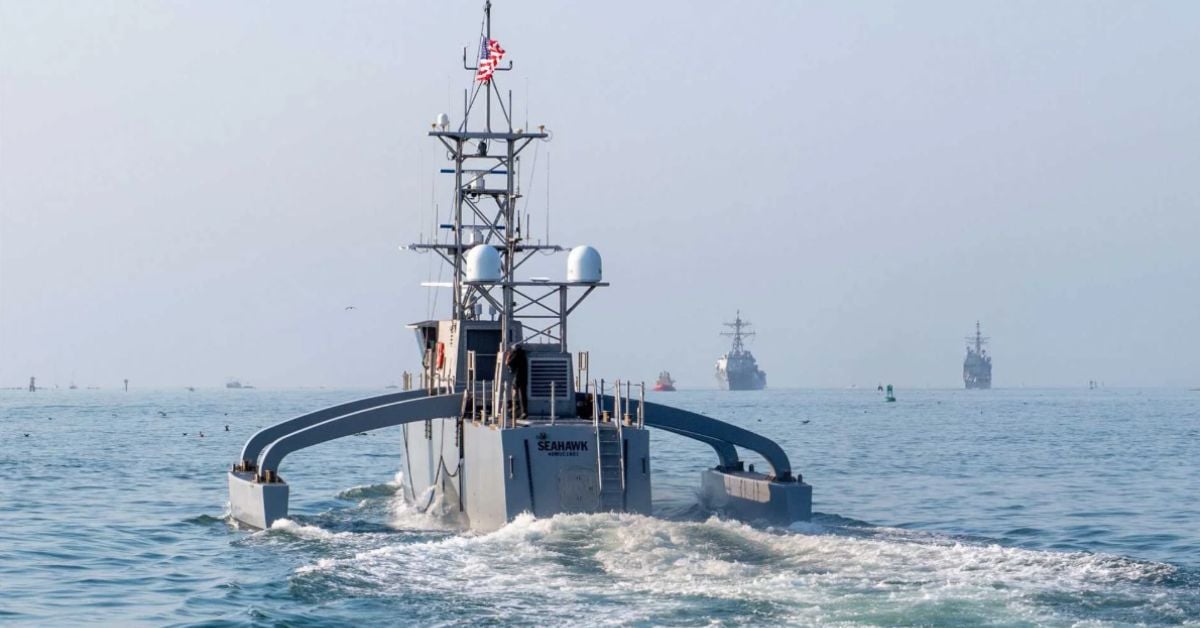
Autonomous surface vessel joins carrier strike group in historic first
For the first time in U.S. naval history, an unmanned surface vessel has completed a sustained deployment with a carrier strike group. This is not a test run or a proof of concept, it is operational integration. Autonomous systems are no longer hypothetical; they are sailing alongside crewed warships, recalibrating what naval power means. The shift is measurable and real. For deeper context on how maritime demands are evolving, see our coverage of the longest carrier deployment in decades.
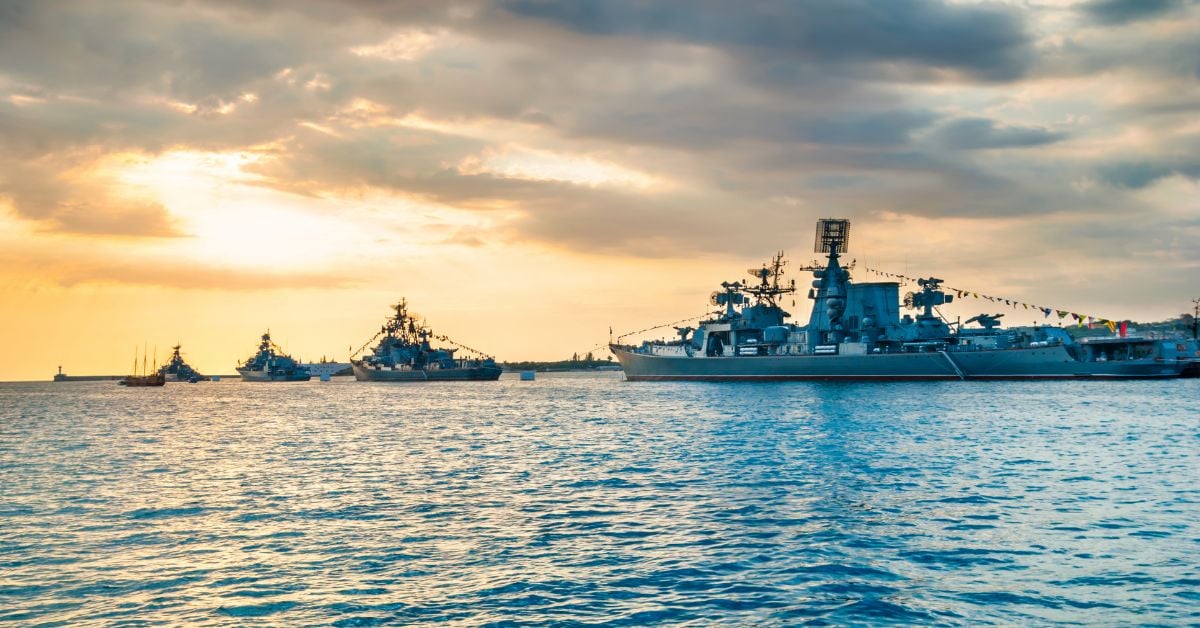
Germany Integrates Naval IRIS-T Launchers into F125 Frigate Modernization Plan
Germany's decision to mount two deck-launched IRIS-T systems on each F125 frigate is a calibrated, measurable upgrade to naval defense. This integration reflects a forward-thinking approach to maritime security, balancing technological precision with operational readiness. For readers tracking geopolitical stability, our related coverage on "Shipping Route Stability: Iran Maintains Control of Strait of Hormuz" offers further context on how regional power dynamics influence global naval strategy. Validated empirical data, not alarmism, must guide these conversations.
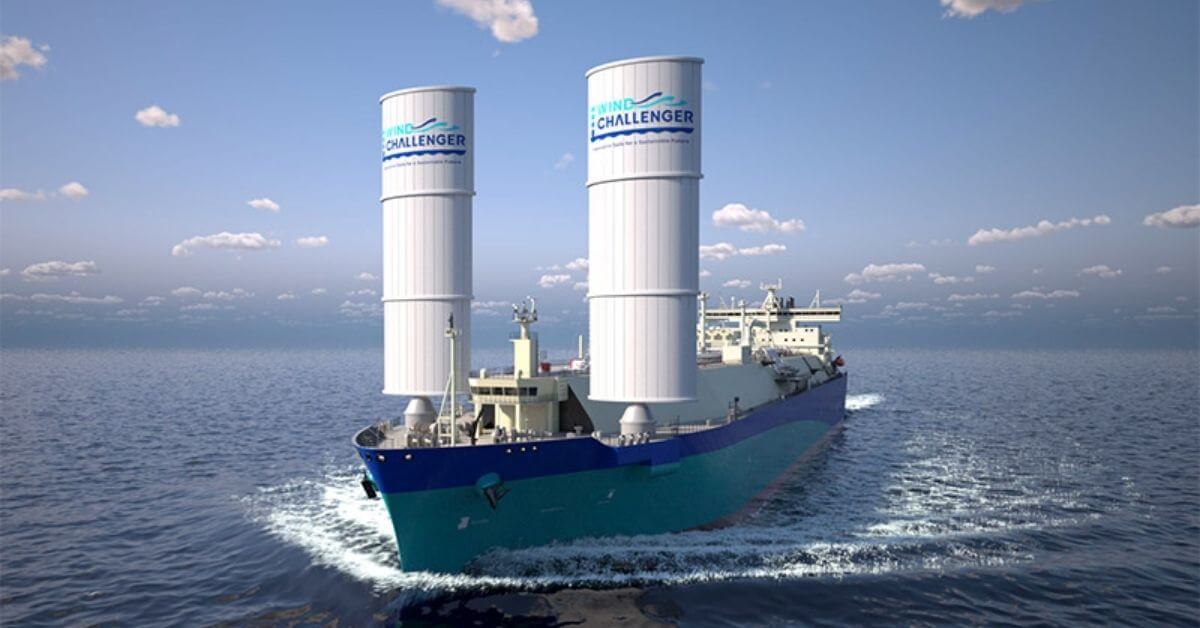
Integrated Vessel Management Bolsters Safety Across MOL's Fleet
MOL's decision to consolidate management of over 200 vessels under MOLGSM signals a firm commitment to operational rigor across the fleet. Centralizing oversight under one banner should sharpen accountability and streamline safety protocols, which is exactly the kind of integrated thinking the industry needs. It is a practical move, grounded in structure rather than spectacle. For readers tracking how operational efficiency intersects with design innovation, our piece on LNG carrier optimization offers a useful counterpoint.