inland waterways
3 stories filed under inland waterways on World Data Ocean. The newest of them: “India Builds $1.5B Maritime Shield for War-Risk Coverage”, “Understanding Barges: Essential Vessels for Inland Waterways and Cargo Transport”, and “Unprecedented Danube Drought Reveals Sunken WWII Nazi Vessels”. India's Bharat Maritime Insurance Pool, a $1.5 billion domestic shield against war risks and cargo losses, marks a calibrated step toward self-reliance in marine coverage. A barge is the simplest floating vessel, yet its role in moving cargo across rivers, canals, and shallow waterways is anything but trivial. A Global Hub for Ocean Intelligence 4 World Data Ocean is a centralized digital platform where researchers, scientists, and ocean enthusiasts converge to… The list below is every inland waterways story on World Data Ocean, newest first.
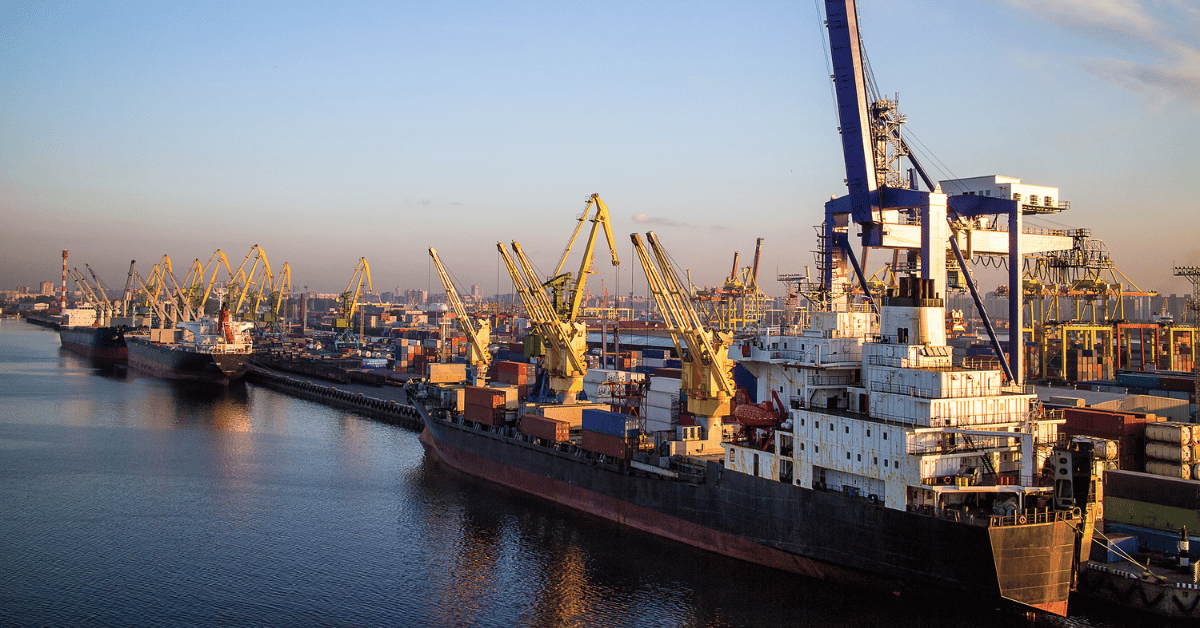
India Builds $1.5B Maritime Shield for War-Risk Coverage
India's Bharat Maritime Insurance Pool, a $1.5 billion domestic shield against war risks and cargo losses, marks a calibrated step toward self-reliance in marine coverage. This is not alarmist hedging; it is empirical risk management. When global supply chains face volatility, homegrown underwriting strengthens resilience. For deeper context on how technology is reshaping maritime security, see our coverage of RINA's Singapore Hub advancing digital twins and AI for ocean decarbonisation. Understanding drives protection.
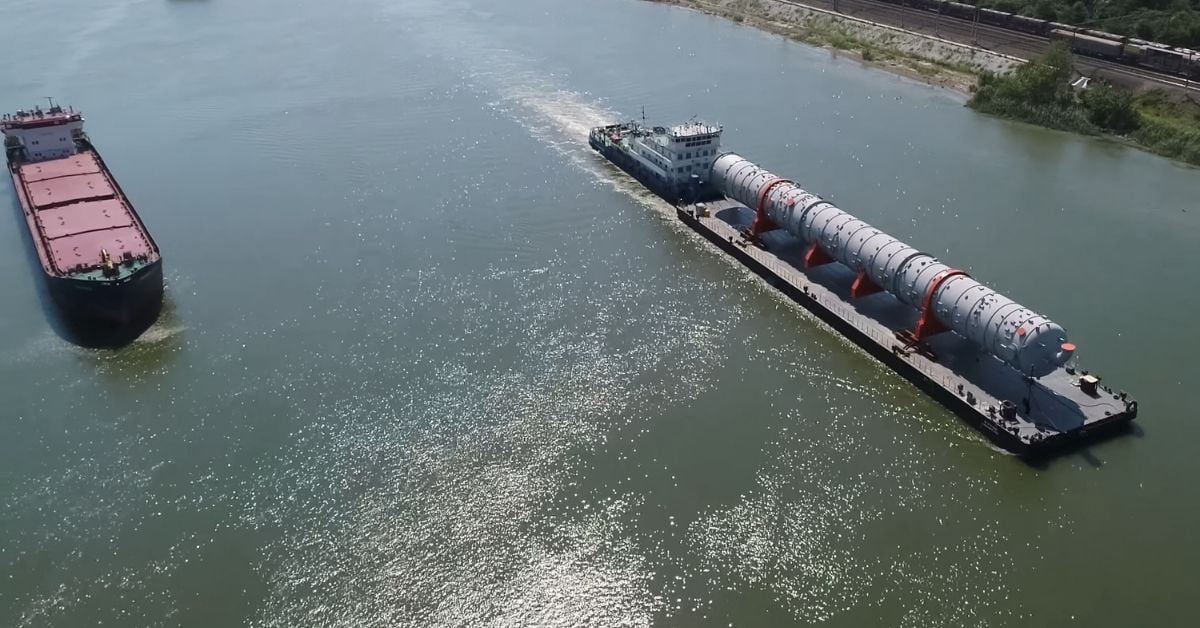
Understanding Barges: Essential Vessels for Inland Waterways and Cargo Transport
A barge is the simplest floating vessel, yet its role in moving cargo across rivers, canals, and shallow waterways is anything but trivial. Barges offer a clear, empirical look at how these unassuming vessels keep inland trade flowing. Understanding their design and function is measurable progress in grasping global logistics. For a contrasting view of large-scale maritime ambition, see our coverage of the Vostok Project's Arctic oil exports.

Unprecedented Danube Drought Reveals Sunken WWII Nazi Vessels
The Danube's retreat has exposed a fleet of Nazi Germany's Black Sea vessels, deliberately sunk in 1944 as forces withdrew from Romania. This is not merely a ghost from the past; it is a tangible reminder of how conflict reshapes our environment in ways we are only beginning to measure. The wrecks are a physical dataset, waiting for calibrated analysis. For broader context on how such disruptions intersect with modern maritime security, our coverage of strikes targeting ports and vessels offers a relevant parallel.