impact
World Data Ocean keeps impact in one place: 4 stories so far. The section currently leads with “Stewardship of r/MarineScience awaits an experienced hand”, “Alaska: Second Endangered Whale Found After Cruise Ship Collision”, and “Rapid Atmospheric Heating: Asteroid Dust’s Role in Dinosaur Extinction”. A new steward for r/MarineScience means an opportunity to rebuild a community around the kind of clarity this field demands. For the second time this year, a cruise ship has arrived in Alaska with an endangered whale found dead on its bow. A Global Hub for Ocean Intelligence 4 World Data Ocean is a centralized digital platform where researchers, scientists, and ocean enthusiasts converge to… The list below is every impact story on World Data Ocean, newest first.
Stewardship of r/MarineScience awaits an experienced hand
A new steward for r/MarineScience means an opportunity to rebuild a community around the kind of clarity this field demands. The subreddit is open for someone ready to guide discussions with the same empirical rigor that defines ocean research. If you meet the account requirements, the request process is straightforward. Consider this your invitation to step forward and shape the conversation before someone else does. For related coverage on marine conservation challenges, see our piece on circle hook adoption for sea turtle protection.

Alaska: Second Endangered Whale Found After Cruise Ship Collision
For the second time this year, a cruise ship has arrived in Alaska with an endangered whale found dead on its bow. This repeated pattern demands more than observation; it calls for integrated data ecosystems that can track ship strikes in real time. Understanding drives protection, and each incident provides empirical evidence we cannot ignore. We are monitoring these developments closely. For deeper context on maritime infrastructure shifts, see our coverage of Alaska's Base Kodiak to Gain Enhanced Arctic Capabilities with New Pier.
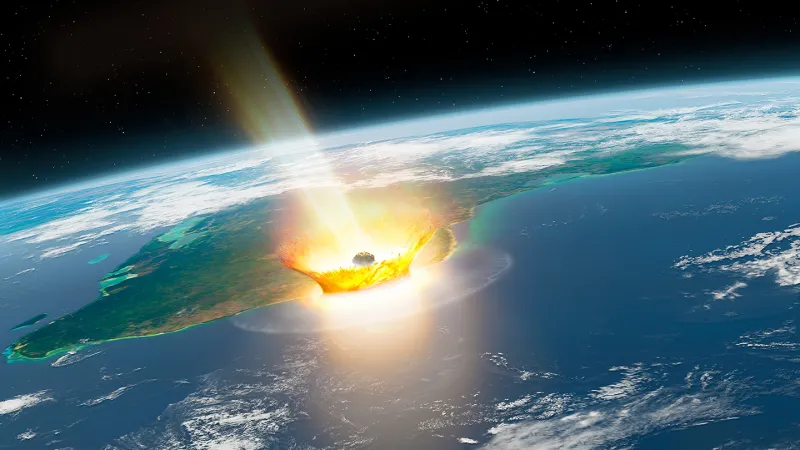
Rapid Atmospheric Heating: Asteroid Dust’s Role in Dinosaur Extinction
Within minutes of impact, debris began heating Earth's atmosphere, and fine dust trapped that heat. The result was a rapid, lethal spike in global temperatures. This mechanism, not the blast alone, may have killed the dinosaurs quickly. It is a stark reminder that extinction can arrive with terrifying speed. For a broader view of how Earth's systems respond to sudden change, see our coverage of the Cascadia Subduction Zone's fragmented tectonic process.
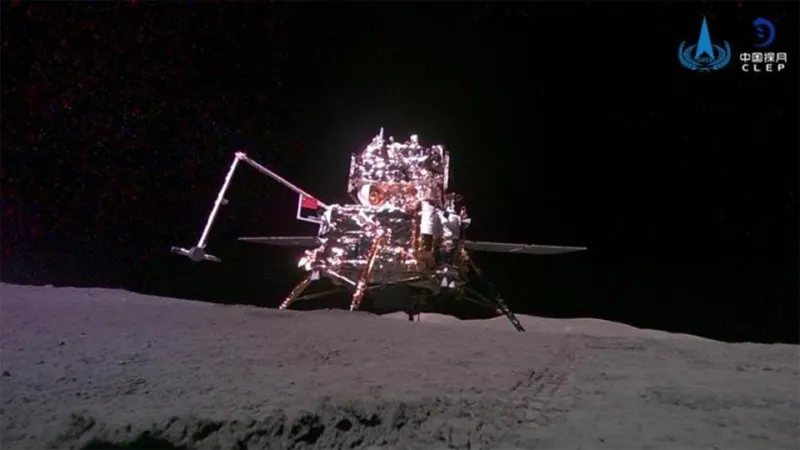
Farside Moon Rocks Reveal a More Complex Early Bombardment History
New lunar samples from the far side are complicating the Moon's impact story. Earlier rocks, including Apollo's, appear heavily shaped by a single event. These farside specimens suggest a more layered bombardment history than we modeled. That matters: if our timeline is off, so are broader planetary assumptions. For readers tracking how we read deep-space records, the recent exoplanet ocean debate offers a parallel. Both remind us that one dataset rarely closes a question.