hydrology
hydrology at World Data Ocean is a file of 5 stories. The newest of them: “A calibrated shipboard dataset now measures the full ocean water cycle”, “Arctic Glacier Retreat Creates New Coastal Lagoons, Expanding Ecosystems”, and “Hidden Ice Reservoir Discovered Beneath Utah’s Mountains”. A calibrated shipboard dataset now measures the full ocean water cycle from the deck of a vessel. Retreating glaciers across the Arctic are redrawing coastlines, and Svalbard now hosts a growing number of coastal lagoons where none existed before. A Global Hub for Ocean Intelligence 4 World Data Ocean is a centralized digital platform where researchers, scientists, and ocean enthusiasts converge to… The list below is every hydrology story on World Data Ocean, newest first.
A calibrated shipboard dataset now measures the full ocean water cycle
A calibrated shipboard dataset now measures the full ocean water cycle from the deck of a vessel. OceanRAIN delivers validated, real-time data on all water-cycle components, giving us an empirical view of precipitation and evaporation at sea. This is ocean intelligence built on measurement, not model. Understanding drives protection. For a deeper look at how marine environments can host next-generation computing infrastructure, see our coverage of submerged servers validating a new frontier for efficient ocean intelligence.

Arctic Glacier Retreat Creates New Coastal Lagoons, Expanding Ecosystems
Retreating glaciers across the Arctic are redrawing coastlines, and Svalbard now hosts a growing number of coastal lagoons where none existed before. These newly emerged paraglacial systems remain largely absent from regional monitoring, despite their rapid expansion. We see this as a missed opportunity: the lagoons form a developmental continuum, from glacier-influenced basins to biologically structured systems, and early evidence suggests they act as biogeochemical reactors, including potential methane sources.
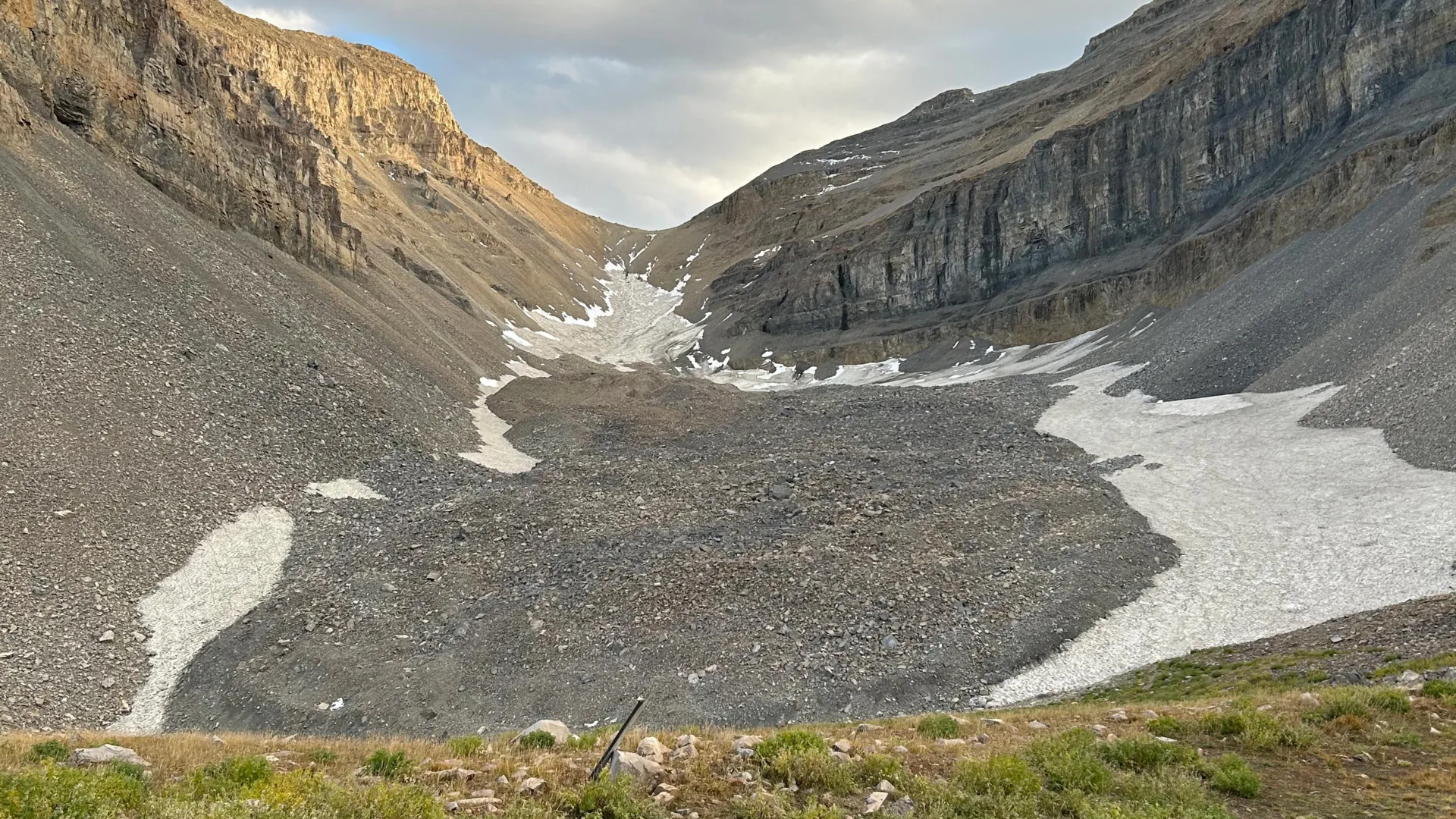
Hidden Ice Reservoir Discovered Beneath Utah’s Mountains
Beneath Mount Timpanogos's rocky slopes, gravity measurements have revealed a buried glacier composed of 83% ice, holding enough water to fill 600 Olympic swimming pools. This discovery clarifies how rock glaciers form when debris preserves persistent snow for millennia. The find is a measurable reminder that hidden water reserves may exist worldwide, potentially storing tens of gigatons. It complements our coverage of Cascadia's Subduction Zone Reveals a Fragmented Tectonic Process, reinforcing how much of Earth's subsurface dynamics remain unseen yet consequential.
Expanding Oceanographic Research Horizons: Career Opportunities in Canada
Canada's oceanographic community extends well beyond Bedford. For a physical oceanographer and a hydrology-focused civil engineer, the University of British Columbia's Institute for the Oceans and Fisheries and the University of Victoria's Ocean Networks Canada offer strong research pathways, while Quebec's Institut des sciences de la mer provides coastal expertise. These hubs value the integrated data ecosystem you both represent. For broader context on collaborative observation, our piece on "Bridging Data Gaps: Integrating Citizen Science for Ocean Intelligence" complements this career landscape.

Ocean Salinity Shifts: A Longitudinal Analysis, 1955–1998
For four decades, the ocean has been quietly rewriting its own chemistry. The 2005 analysis by Boyer, published in *Geophysical Research Letters*, tracks linear salinity shifts from 1955 to 1998, offering empirical evidence of changing evaporation and precipitation patterns. This is not abstract data; it is a measurable climate indicator. Understanding these long-term trends sharpens our view of planetary change.