HD Hyundai
World Data Ocean keeps HD Hyundai in one place: 5 stories so far. The section currently leads with “Assessing Allied Shipbuilding Capacity Through Measured Joint Evaluation”, “Digital twins and robotic welding anchor Hyundai's proposed US naval shipyard”, and “New container ship design eliminates manual lashing to boost capacity and safety”. A senior U.S. Digital twins and robotic welding anchor Hyundai's proposed US naval shipyard, a joint venture between HD Hyundai and Kiewit. A Global Hub for Ocean Intelligence 4 World Data Ocean is a centralized digital platform where researchers, scientists, and ocean enthusiasts converge to… The list below is every HD Hyundai story on World Data Ocean, newest first.

Assessing Allied Shipbuilding Capacity Through Measured Joint Evaluation
A senior U.S. Navy and Marine Corps delegation toured HD Hyundai's Ulsan shipyard on November 4, 2026, conducting a measured joint evaluation of allied shipbuilding capacity. This empirical assessment signals a calibrated approach to integrating allied industrial capability into U.S. naval construction plans. For further context on allied naval integration, see our coverage of the 1,000th ESSM Block 2 delivery, a validated milestone in multinational defense production.
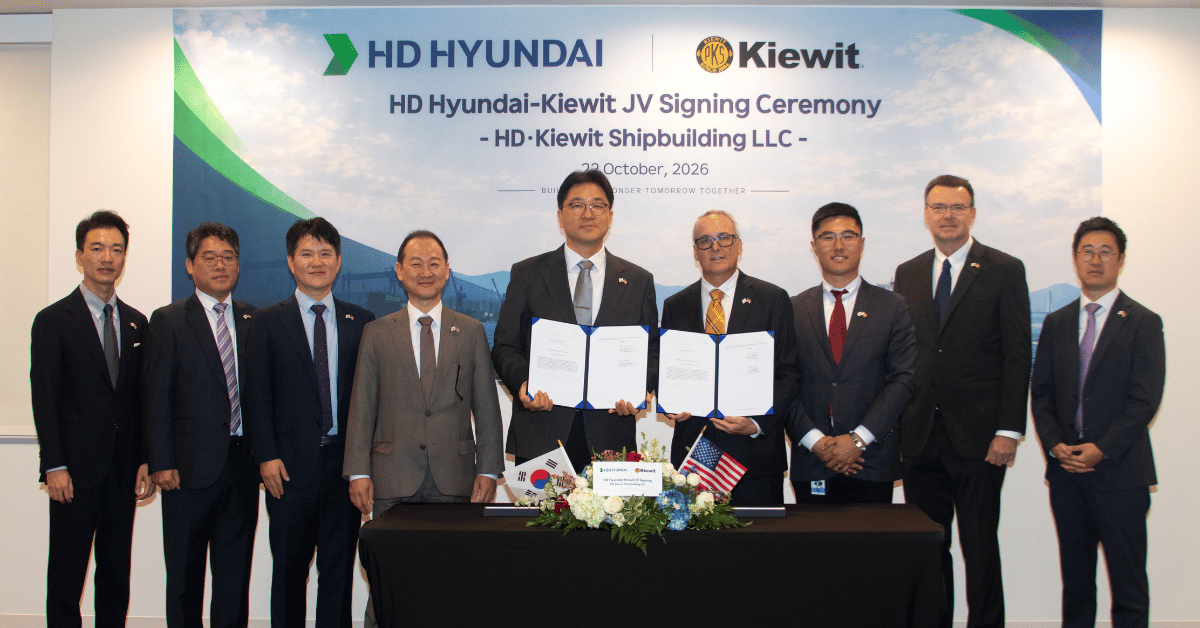
Digital twins and robotic welding anchor Hyundai's proposed US naval shipyard
Digital twins and robotic welding anchor Hyundai's proposed US naval shipyard, a joint venture between HD Hyundai and Kiewit. This advanced facility could support up to 3,000 jobs, building naval auxiliary and commercial vessels. It represents a measured, forward-looking investment in maritime infrastructure. For context on how maritime risks persist elsewhere, see our related coverage of the collision in Bremerhaven that grounded cruise plans.
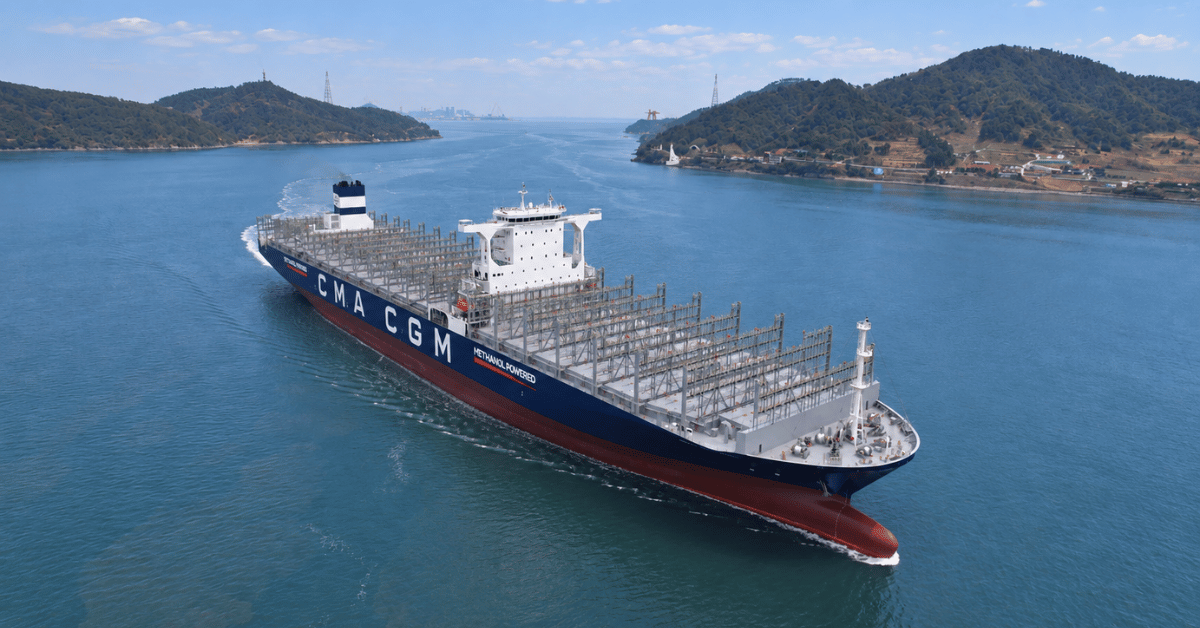
New container ship design eliminates manual lashing to boost capacity and safety
Manual lashing has long been a bottleneck in container shipping, a labor-intensive process that limits both capacity and crew safety. HD Hyundai's new lashing-free container ship changes that calculus. By eliminating manual securing, the design boosts cargo capacity while reducing risk for workers. This is measurable innovation: empirical gains in efficiency paired with validated safety improvements. For deeper context on how maritime operations are evolving, see our coverage of the coordinated medical evacuation in the Andaman Sea.
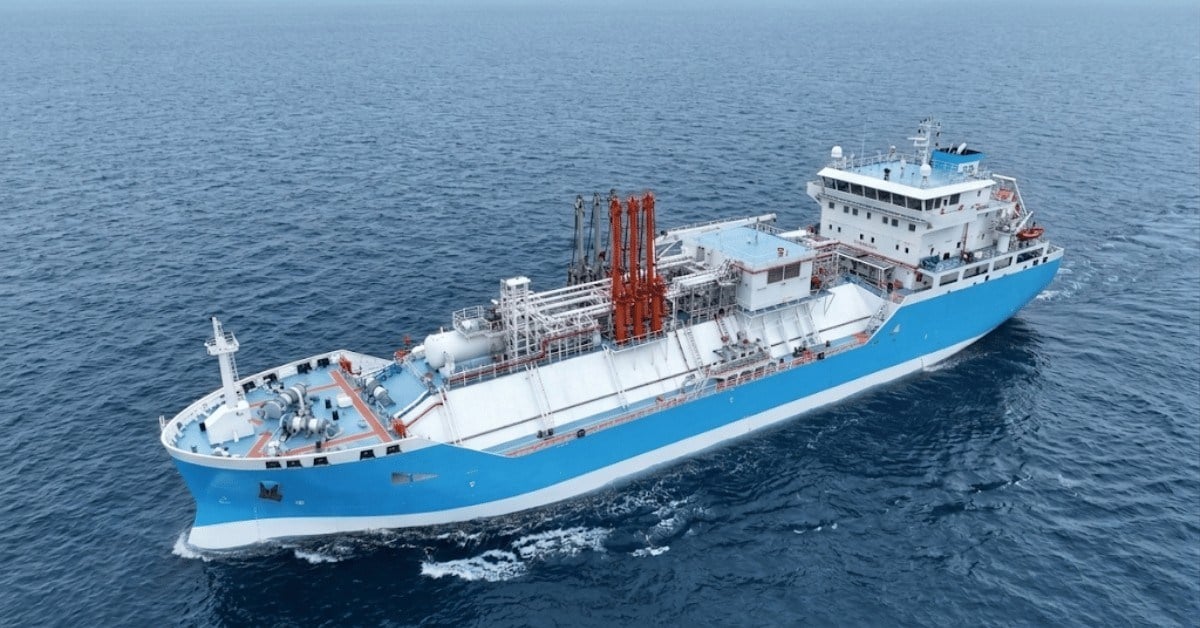
Ammonia Bunkering Vessel Design Receives Approval, Advancing Sustainable Maritime Fuels
HD Hyundai's shipbuilding arms have secured ABS approval in principle for an ammonia bunkering vessel design, a concrete step toward commercialising a fuel critical to maritime decarbonisation. The classification validates the integrated approach behind the design, moving ammonia from theoretical promise toward operational reality. This is how ocean intelligence translates into practical infrastructure. For broader context on the sector's risks, our report on the fatal attack near Oman underscores the security dimension shaping today's shipping routes.

Forging Ahead: Korean Shipbuilders Strengthen US Partnerships Through New Projects
The opening of the Korea-U.S. Shipbuilding Partnership Center brings with it a clear signal: Hanwha Ocean, HD Hyundai, and SHI are formalizing their transatlantic commitments through new projects. This is practical diplomacy, measured in keels laid and contracts signed. The move reinforces a shared industrial base, one built on validated capability rather than promise. For readers tracking maritime security and supply chain resilience, this is a development worth watching closely.