hatch covers
World Data Ocean keeps hatch covers in one place: 2 stories so far. The section currently leads with “Structural strain from uneven iron ore loading prevents hatch cover closure” and “New container ship design eliminates manual lashing to boost capacity and safety”. A Panamax bulk carrier's hull twisted under uneven iron ore loading, creating structural strain that prevented three hatch covers from closing. Manual lashing has long been a bottleneck in container shipping, a labor-intensive process that limits both capacity and crew safety. A Global Hub for Ocean Intelligence 4 World Data Ocean is a centralized digital platform where researchers, scientists, and ocean enthusiasts converge to… The list below is every hatch covers story on World Data Ocean, newest first.
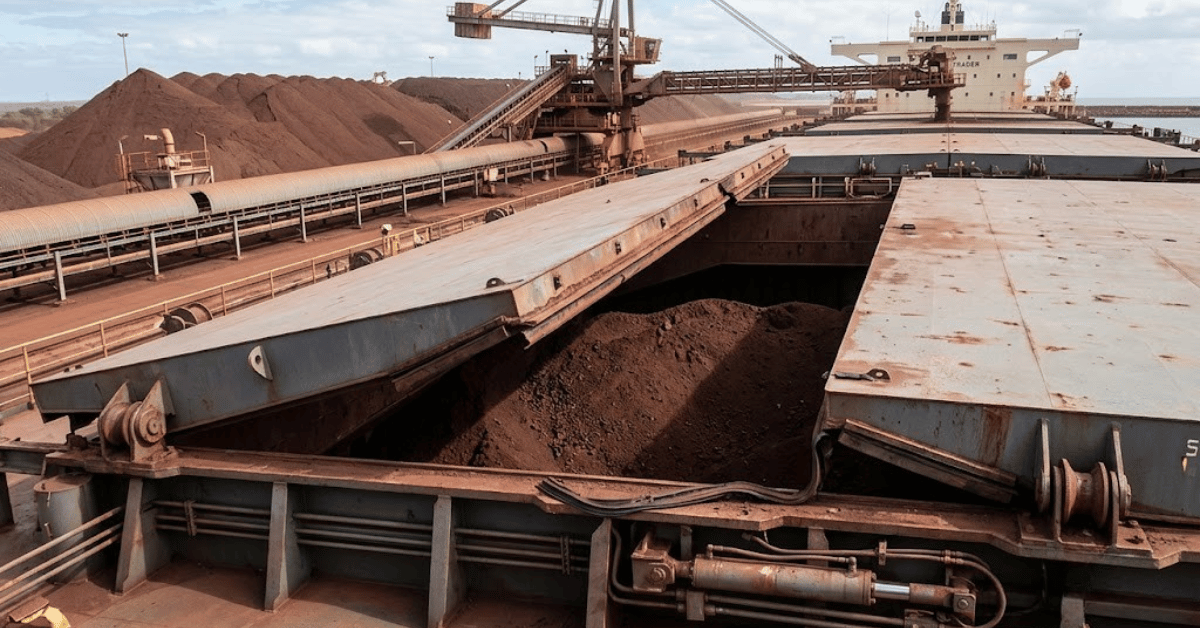
Structural strain from uneven iron ore loading prevents hatch cover closure
A Panamax bulk carrier's hull twisted under uneven iron ore loading, creating structural strain that prevented three hatch covers from closing. The cargo had to be re-trimmed before the vessel could secure its holds, a stark reminder that weight distribution is not just an operational detail but a critical safety parameter. These failures ripple outward. For deeper coverage of cargo-related incidents, see our report on the cargo spill in the Strait of Hormuz.
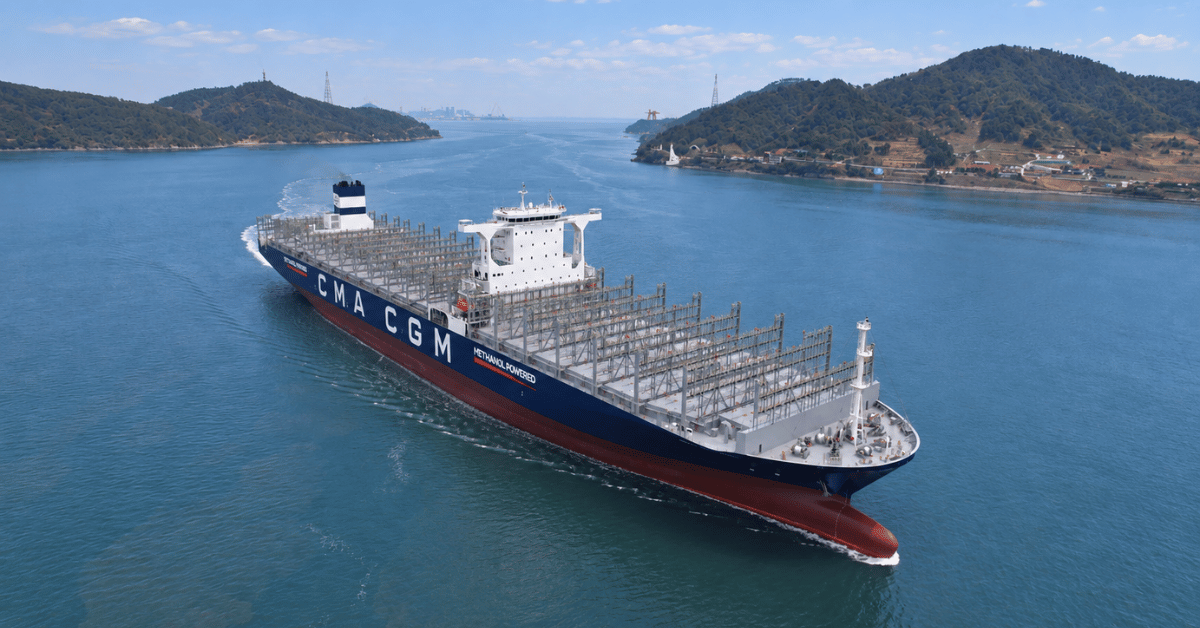
New container ship design eliminates manual lashing to boost capacity and safety
Manual lashing has long been a bottleneck in container shipping, a labor-intensive process that limits both capacity and crew safety. HD Hyundai's new lashing-free container ship changes that calculus. By eliminating manual securing, the design boosts cargo capacity while reducing risk for workers. This is measurable innovation: empirical gains in efficiency paired with validated safety improvements. For deeper context on how maritime operations are evolving, see our coverage of the coordinated medical evacuation in the Andaman Sea.