Guided Missile Destroyer
9 stories filed under Guided Missile Destroyer on World Data Ocean. The newest of them: “A 300-day deployment yields calibrated data from the Pacific theater”, “Naval Vessels Collide in Arabian Sea During Routine Patrol”, and “Escalation in the Persian Gulf: U.S. Responds to Iranian Attacks”. Ten months. A collision between a Pakistan Navy vessel and an Indian warship in the Arabian Sea during routine surveillance operations raises immediate questions about maritime protocols. A Global Hub for Ocean Intelligence 4 World Data Ocean is a centralized digital platform where researchers, scientists, and ocean enthusiasts converge to… The list below is every Guided Missile Destroyer story on World Data Ocean, newest first.
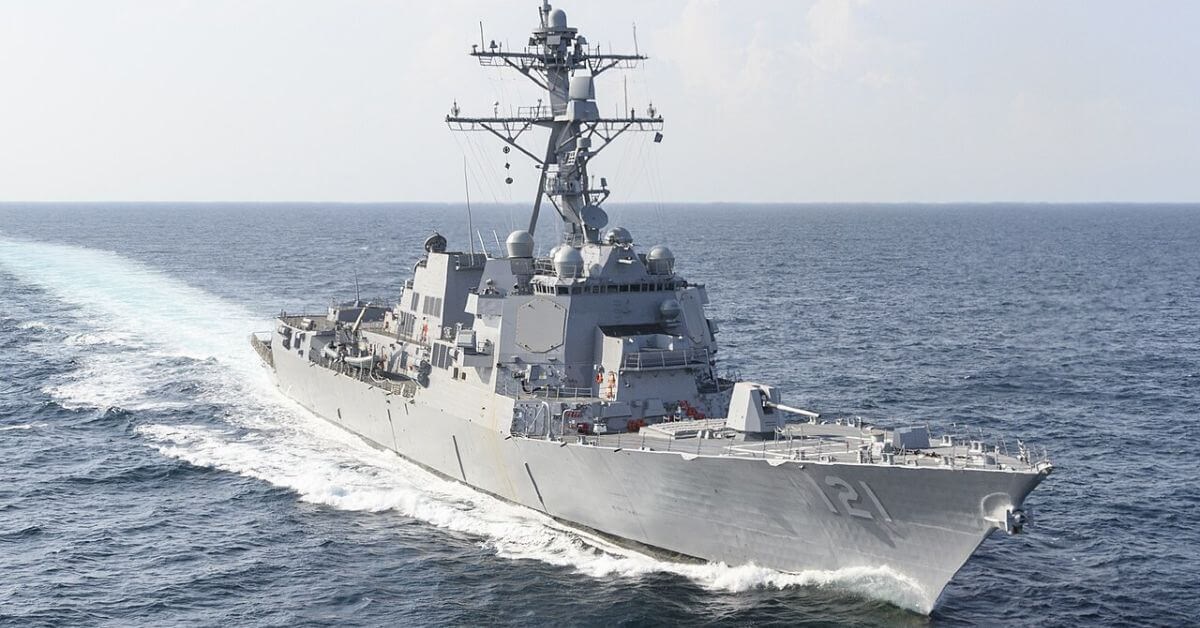
A 300-day deployment yields calibrated data from the Pacific theater
Ten months. Three hundred days of calibrated, real-time ocean intelligence from the Pacific theater. The USS Frank E. Petersen Jr. has returned to Pearl Harbor, and the data it gathered is now measurable and peer-reviewed. This is empirical evidence from a working warship, not a lab. Understanding drives protection. For deeper context on maritime security risks, see our coverage of the recent pirate attack on a hijacked tanker.
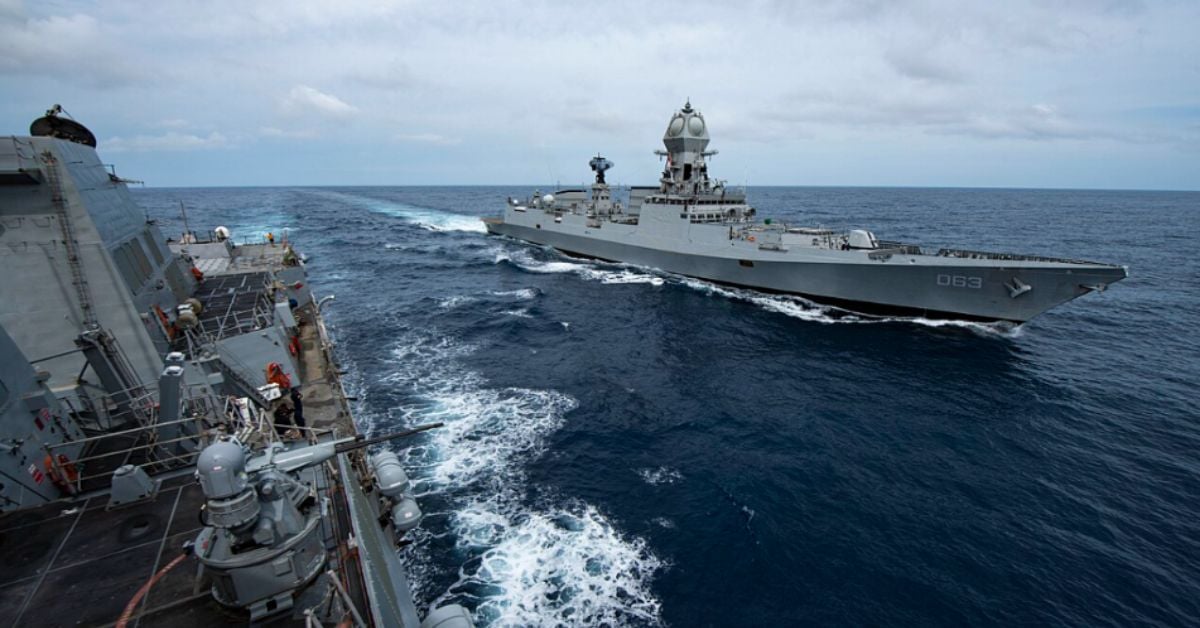
Naval Vessels Collide in Arabian Sea During Routine Patrol
A collision between a Pakistan Navy vessel and an Indian warship in the Arabian Sea during routine surveillance operations raises immediate questions about maritime protocols. Incidents like this are precisely why calibrated, real-time communication channels matter between regional fleets. The absence of reported casualties does not diminish the strategic weight of this encounter. For context on how such tensions intersect with energy security, our related piece, "Negotiations Clear Strait of Hormuz for LNG Delivery to Pakistan," offers a parallel view of diplomatic fragility.
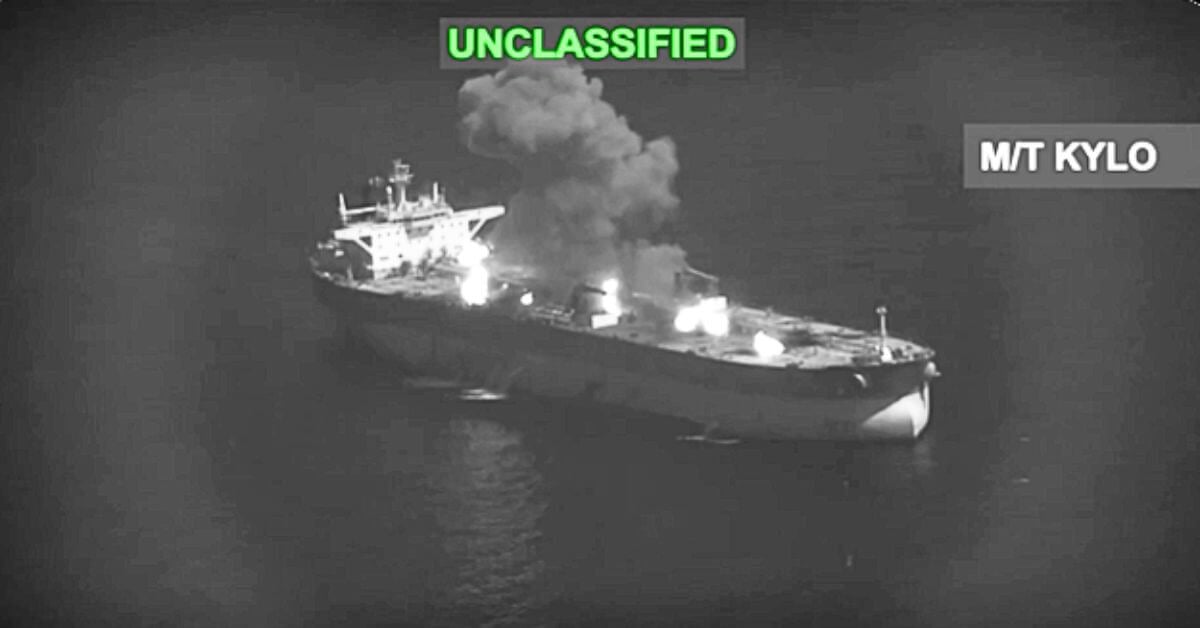
Escalation in the Persian Gulf: U.S. Responds to Iranian Attacks
A U.S. aircraft carrier and a guided-missile destroyer navigated through a series of Iranian attacks in the Persian Gulf without a single American casualty, according to CENTCOM. The outcome reflects precision under pressure, though the episode underscores how fragile maritime security remains in a region where energy flows and geopolitical stakes converge. This incident sits alongside broader tensions, such as those detailed in "Phased Negotiations Aim to Ease Restrictions on Strait of Hormuz," where diplomatic pathways remain tentative yet essential.

Chinese Naval Fleet Deploys for Enhanced Maritime Security in Key Waters
The Chinese Naval Fleet's deployment, featuring the guided-missile destroyer Kunming, frigate Yueyang, and supply ship Luomahu, is a calibrated move toward enhanced maritime security in key waters. This is not about posturing; it is about maintaining measurable readiness where sea lanes demand vigilance. The integration of surface and support vessels reflects a practical approach to stability. For context on regional pressures, our recent coverage of the Gulf of Oman STS Transfers Max Out highlights how maritime chokepoints are already straining. Understanding these dynamics drives protection.

Naval Investment: Trump-Class Battleships to Reach $275 Billion
The Trump-Class Battleship program carries a $275 billion price tag, with the lead vessel alone reaching $23.4 billion. That is a staggering commitment, but it signals a deliberate move toward sustained maritime dominance. We see this as a statement of intent, not just a budget line. For context on how other nations are scaling their fleets, our coverage of India's expanded naval projections offers a useful counterpoint. Battleship investments of this scale demand scrutiny, yet they underscore a clear strategic calculus.

Honoring Valor: New Destroyer USS William Charette Joins the Fleet
The USS William Charette, a new destroyer named for a Medal of Honor recipient, now joins the fleet, carrying a legacy of extraordinary courage into modern maritime operations. This is a vessel built not just for power, but for purpose. We see this as a fitting tribute to valor, and a clear signal of strength. For more on how the Navy is evolving its capabilities, our coverage of the Navy Accelerates Autonomous Systems Integration for Enhanced Maritime Operations offers deeper insight.

China Tests Hypersonic Missile Launch From Naval Destroyer
The PLA's latest hypersonic missile launch from a naval destroyer, showcased in the *Achieve Victory* documentary trailer ahead of its 99th anniversary, signals a deliberate step in maritime strike capability. The timing is pointed, and the platform choice underscores how seriously China's navy is integrating long-range precision into surface warfare. It is a measured display of technological progress, not a boast. For context on how such systems interact with broader maritime operations, our earlier piece on acoustic mapping offers useful perspective.

Live-Fire Drill Raises Tensions in Disputed Waters Southwest of Okinotori
A live-fire drill conducted Sunday roughly 180 kilometers southwest of Okinotori, Japan's southernmost island, introduces a calculated edge to an already fraught maritime landscape. The exercise, occurring in disputed waters, signals more than readiness; it reflects a persistent assertion of presence that cannot be ignored. Such calibrated maneuvers demand scrutiny, as they intersect with broader regional dynamics.

Naval Actions Ensure Continued Commercial Transit Through Strait of Hormuz
Naval forces have moved to keep commercial traffic moving through the Strait of Hormuz, though CENTCOM has yet to disclose which vessels were involved or what prompted the enforcement actions. The lack of detail is notable, but the message is clear: this waterway stays open. It is a reminder that security operations and diplomatic efforts must work in tandem. For broader context on ongoing efforts, our piece on phased negotiations to ease restrictions offers a useful counterpoint to today's military posture.