greenhouse gases
3 stories filed under greenhouse gases on World Data Ocean. The newest of them: “2025 Global Temperature Data Confirms Measurable Warming Trends”, “2025 joins the warmest years on record as ocean heat persists without pause”, and “Arctic Carbon Release: Seafloor Sediment Limits Greenhouse Gas Impact”. The 2025 global temperature data from Berkeley Earth confirms what empirical climate indicators have long signaled: warming trends are measurable and persistent. 2025 has been confirmed as one of the three warmest years on record, a stark validation of a persistent trend. A Global Hub for Ocean Intelligence 4 World Data Ocean is a centralized digital platform where researchers, scientists, and ocean enthusiasts converge to… The list below is every greenhouse gases story on World Data Ocean, newest first.
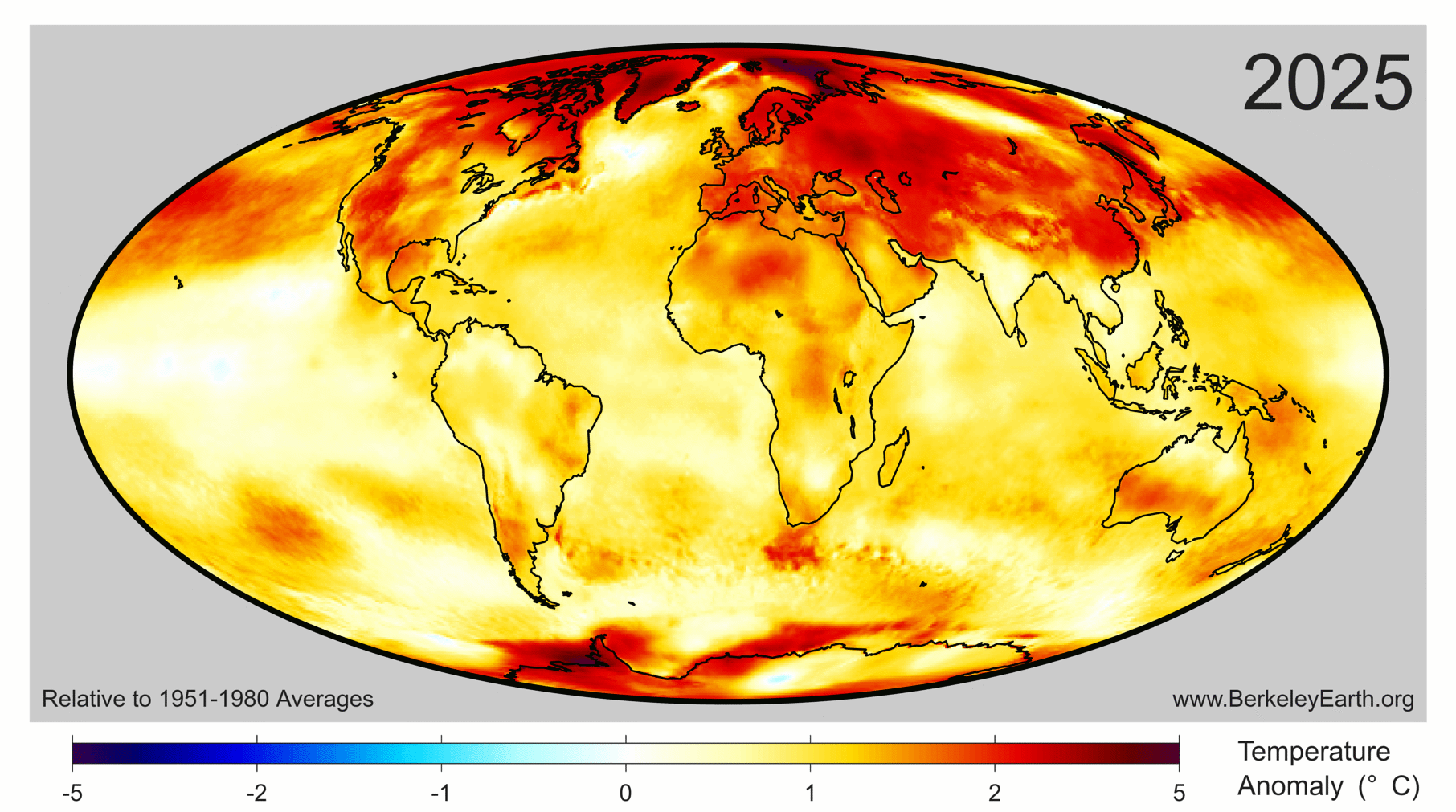
2025 Global Temperature Data Confirms Measurable Warming Trends
The 2025 global temperature data from Berkeley Earth confirms what empirical climate indicators have long signaled: warming trends are measurable and persistent. Since 2013, this independent non-profit has provided validated, peer-reviewed analyses of mean temperature changes. The findings are clear, and they demand purposeful attention. Understanding drives protection, and for deeper context on related pressures facing our oceans, see our piece "From waste to wave: measuring ocean plastic's true share."

2025 joins the warmest years on record as ocean heat persists without pause
2025 has been confirmed as one of the three warmest years on record, a stark validation of a persistent trend. The World Meteorological Organization reports that ocean heating continues without pause, and the past 11 years now constitute the 11 warmest ever measured. This is not a spike but a calibrated, measurable signal. Understanding drives protection. For deeper context on the ocean's role in this system, explore our related coverage of "From waste to wave: measuring ocean plastic's true share."
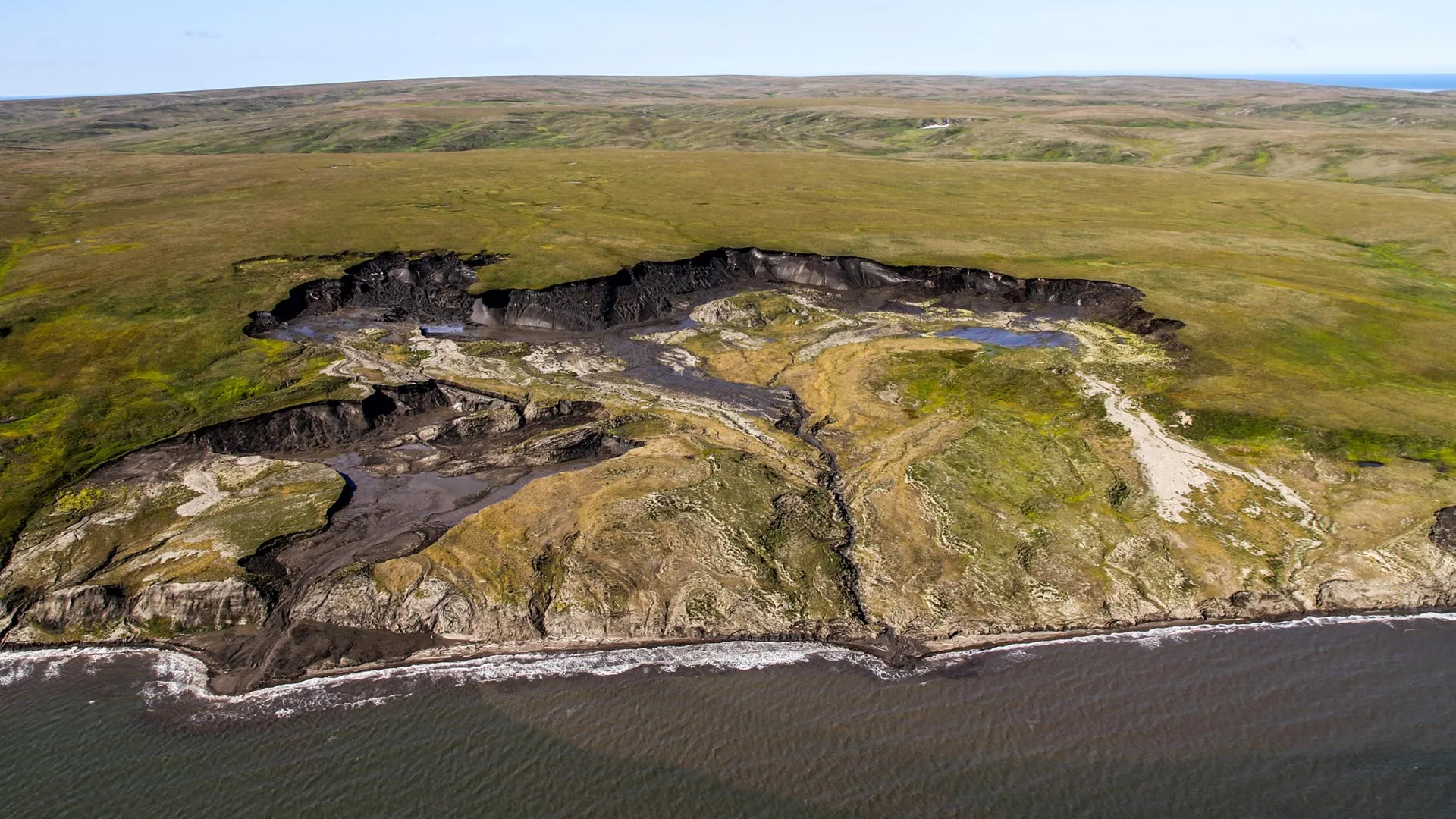
Arctic Carbon Release: Seafloor Sediment Limits Greenhouse Gas Impact
Sediment cores pulled from the seabed near Canada's Herschel Island deliver a measured counterpoint to alarm. Thawing permafrost is releasing ancient carbon into the ocean, yet the data show most of it gets buried in the seafloor, with only about 10 percent converted into greenhouse gases. That distinction matters for climate projections. We read this as a validation of integrated observation, not complacency.