greenhouse gas emissions
greenhouse gas emissions at World Data Ocean is a file of 6 stories. The newest of them: “Balancing ambition and asset cycles in the path to shipping decarbonization”, “Measured sea level rise validated across decades of ocean data”, and “Wind-Assisted LNG Carrier Sets Sail for Enhanced Efficiency.”. The 2023 IMO Strategy and its 2025 Draft Net-Zero Framework carry more ambition than the shipping industry can currently absorb. Measured sea level rise, validated across decades of ocean data, tells a clear story. A Global Hub for Ocean Intelligence 4 World Data Ocean is a centralized digital platform where researchers, scientists, and ocean enthusiasts converge to… The list below is every greenhouse gas emissions story on World Data Ocean, newest first.

Balancing ambition and asset cycles in the path to shipping decarbonization
The 2023 IMO Strategy and its 2025 Draft Net-Zero Framework carry more ambition than the shipping industry can currently absorb. Vessel asset cycles, fuel technology gaps, and uneven national capacity are not just obstacles, they are structural realities. Our climate-realism framework, applying legal realism and resource dependence theory, suggests that a gradual, technology-neutral route is more sustainable than a one-size-fits-all aggressive pathway. For deeper context, see our related analysis on "Aligning Regional and Global Pathways for Shipping Decarbonization."

Measured sea level rise validated across decades of ocean data
Measured sea level rise, validated across decades of ocean data, tells a clear story. Seasonal estimates from Church and White (2011) align with the University of Hawaii's Fast Delivery data, both showing change in millimeters against the 1993-2008 average. This is empirical, peer-reviewed evidence of a measurable climate signal. For deeper context, our coverage of 2025 Temperature Anomalies reveals how these climate indicators connect. Understanding drives protection.

Wind-Assisted LNG Carrier Sets Sail for Enhanced Efficiency.
A wind-assisted LNG carrier is set to deliver under a long-term charter to Chevron by September 2026, marking a practical step toward measurable fuel efficiency. This is not a theoretical exercise, it is an integrated, real-world application of technology that reduces emissions while maintaining operational reliability. Such innovations matter. For deeper context on maritime risks, see our coverage of the drone strike impacting an LPG tanker near the Strait of Hormuz.
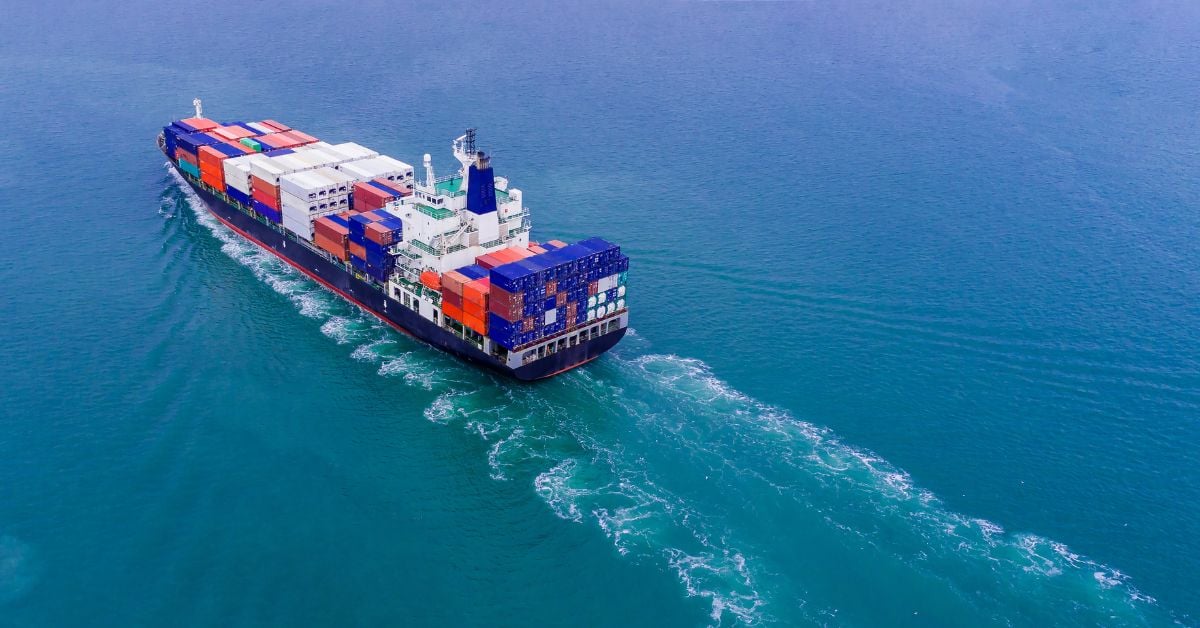
Scaling Seas: Gigamax Container Ships Forecasted for East-West Trade.
A 27,500-TEU vessel represents more than a simple capacity increase. It signals a recalibration of global trade infrastructure, where scale itself becomes a strategic asset. These Gigamax ships will demand deeper ports, stronger cranes, and tighter scheduling across entire supply chains. The question is whether our current systems can absorb that pressure. For context on how maritime nations are already adapting, see our coverage of "Russia Calibrates Export Revenue for Northern Sea Route Icebreaker Fleet."
Water-Saving Irrigation: A Meta-Analysis of Greenhouse Gas Impacts Across China
Irrigation choices are not neutral acts in the field; they are biogeochemical switches. Our meta-analysis of 76 studies across China confirms this, showing water-saving regimes trigger a distinct divergence: methane is suppressed, nitrous oxide is promoted, and carbon dioxide sees minor mitigation. Intermittent irrigation drives these effects most intensely. The real insight is that soil pH and regional hydroclimate, not just the technology, dictate the outcome. This coupling demands we move beyond one-size-fits-all policy.
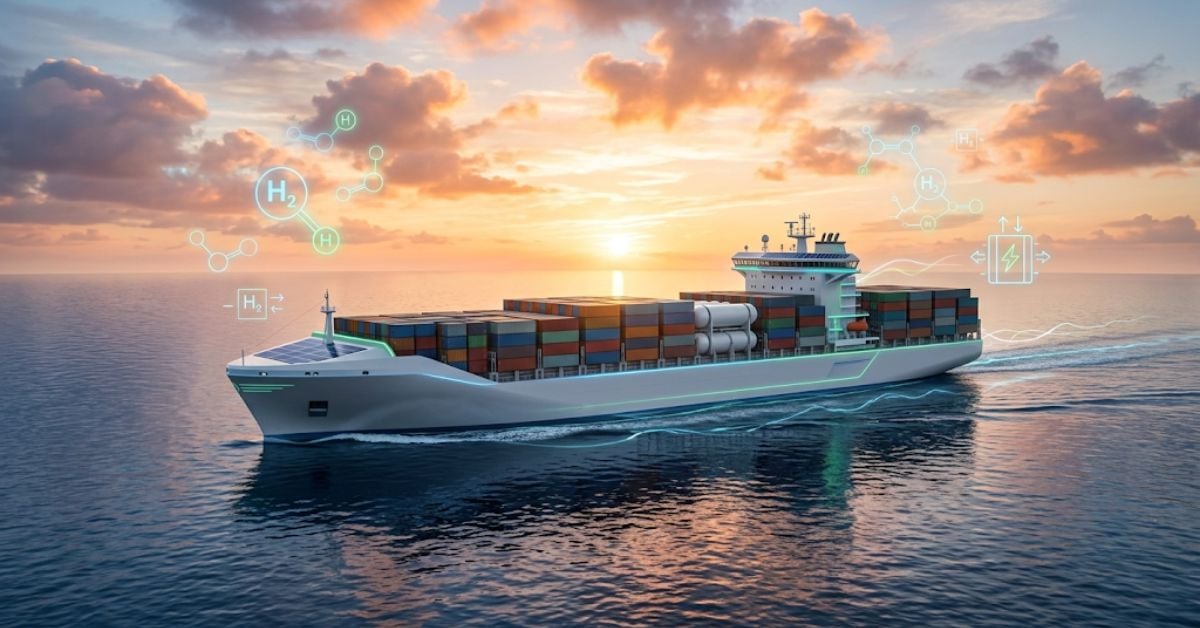
Fuel Cells Chart a Course for Decarbonizing Maritime Shipping
Fuel cells are moving from the laboratory to the load plan. As FuelEU Maritime regulations tighten, the technology is shifting from a promising concept to a commercial reality. We see this as a practical, flexible pathway for cutting emissions across the fleet. The maritime sector needs actionable solutions, and this is one that warrants close attention. For broader context on how these pressures intersect, our coverage of Integrated Ocean Governance offers a wider lens on the challenges ahead.