genetics
World Data Ocean keeps genetics in one place: 6 stories so far. The section currently leads with “Genetic Sequencing Reveals Novel Viruses Within Sea Turtle Populations”, “Cognitive Resilience: Smarter Chickadees Thrive Through Winter and Age.”, and “Genetic Insights Illuminate Fibromyalgia's Complex Origins”. Beneath the shell, a hidden layer of biodiversity is surfacing. A chickadee's cognitive edge persists into old age, and that resilience translates directly to survival and reproductive success. A Global Hub for Ocean Intelligence 4 World Data Ocean is a centralized digital platform where researchers, scientists, and ocean enthusiasts converge to… The list below is every genetics story on World Data Ocean, newest first.

Genetic Sequencing Reveals Novel Viruses Within Sea Turtle Populations
Beneath the shell, a hidden layer of biodiversity is surfacing. Genetic sequencing of sea turtle populations has revealed novel viruses, adding a new dimension to our understanding of marine health. This isn't just about pathogens; it's about the unseen connections that shape resilience in a changing ocean. The findings underscore the value of integrated data ecosystems, and they invite us to look closer at what we cannot see.
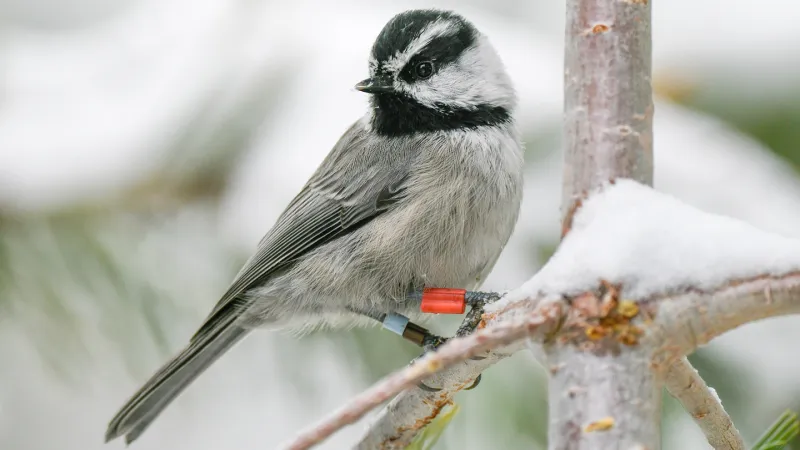
Cognitive Resilience: Smarter Chickadees Thrive Through Winter and Age.
A chickadee's cognitive edge persists into old age, and that resilience translates directly to survival and reproductive success. Wild birds with sharper problem-solving skills maintained their mental acuity through senescence, produced more offspring, and hosted healthier gut microbiomes. This is empirical evidence that intelligence is not merely a youthful advantage but a measurable, lifelong asset. Understanding drives protection. For deeper coverage on environmental intelligence, see our related report on "Cascadia and San Andreas: Evidence Suggests Sequential Earthquake Risk."

Genetic Insights Illuminate Fibromyalgia's Complex Origins
The largest genetic study of fibromyalgia to date has identified 26 risk factors for the disorder, including a notable link within the Huntington's disease gene. These findings sharpen our understanding of a condition long misunderstood, moving us from speculation toward measurable, validated targets. This is the kind of empirical progress that matters. For readers drawn to how complex systems reveal their secrets, our piece on plankton science offers a complementary view of biological discovery.

Mapping Marine Connections: Understanding Biodiversity’s Role in Ocean Health
Marine species do not drift idly in the current; they are the ocean's connective tissue, moving energy and nutrients across entire basins. Marine Functional Connectivity science is making that invisible web visible, yet our knowledge remains fragmented. We can now track migrations through genetics and telemetry, but major gaps persist across depths and regions. This is not an abstract research problem. It is a governance failure.

Ancient DNA Reveals Prehistoric Koala Population Bottleneck
A population collapse that predates human arrival has quietly shaped every koala alive today. By calculating the koala's mutation rate for the first time and sequencing hundreds of genomes, researchers traced the species back to a small group that endured extreme climate shifts roughly 100,000 years ago. That survival story is a measurable lesson in resilience. For more on how environmental pressures echo through time, see our related piece on fossilized dinosaur feathers and survival traits.

Orca Ecotypes: Species Distinction or Genetic Nuance?
The classification of orca ecotypes hinges on genetic and behavioral evidence, yet the line between species and nuance remains contested. A forest ecologist's skepticism about interbreeding assumptions and the weight placed on learned behavior raises valid questions. Intelligence complicates taxonomy; diverse actions do not always signal reproductive isolation. While publish-or-perish pressures may incentivize reclassification, the genetic data, though incomplete, points to real divergence. We should demand rigorous, peer-reviewed validation before dismissing or embracing species status.