Fujairah
World Data Ocean keeps Fujairah in one place: 6 stories so far. The section currently leads with “Ship-to-ship transfers shift Gulf congestion toward India's western maritime corridor”, “Shipping Lanes Under Scrutiny: Indian Crews Affected by Gulf Region Attacks”, and “Securing Energy: Japan Plans Integrated Pipeline Network Beyond Hormuz Strait”. Ship-to-ship transfers once clustered near the Strait of Hormuz are now stretching toward India's western maritime corridor. Three foreign-flagged vessels with Indian crew members were struck on September 8 and 9 as West Asia conflict escalates into shipping lanes. A Global Hub for Ocean Intelligence 4 World Data Ocean is a centralized digital platform where researchers, scientists, and ocean enthusiasts converge to… The list below is every Fujairah story on World Data Ocean, newest first.
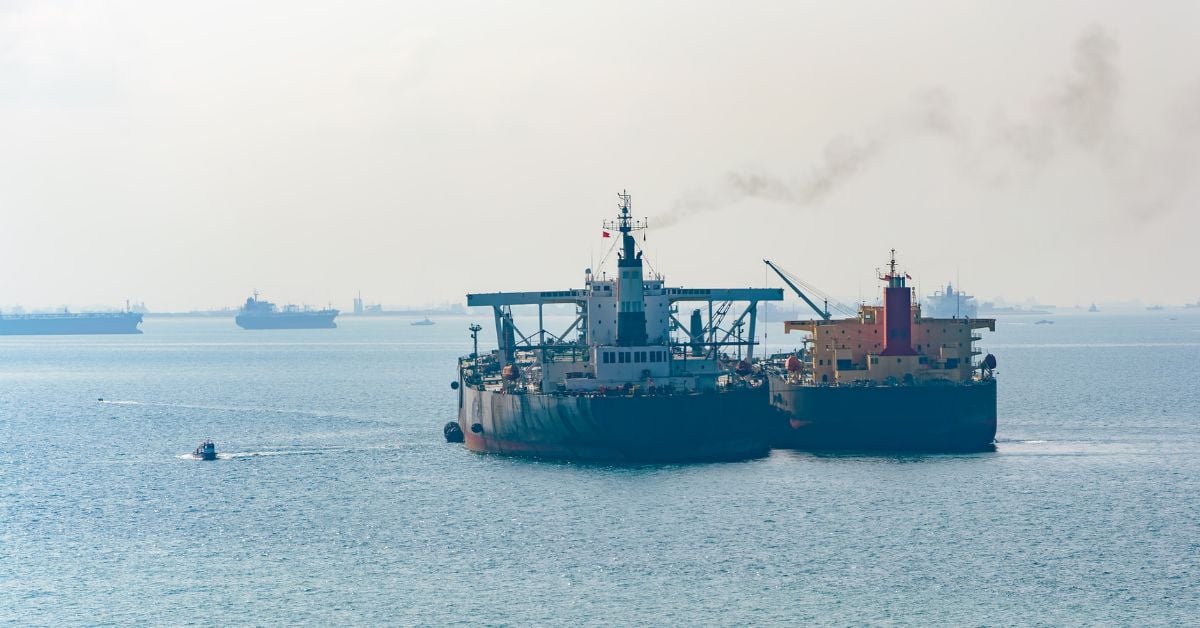
Ship-to-ship transfers shift Gulf congestion toward India's western maritime corridor
Ship-to-ship transfers once clustered near the Strait of Hormuz are now stretching toward India's western maritime corridor. Oil producers are shifting these operations outside Gulf waters, redistributing congestion along a new axis. This measured logistical adaptation carries measurable implications for regional maritime security and data verification. Our recent coverage of the Strait of Hormuz posture highlights why validated, real-time ocean intelligence has never been more urgent. Understanding these patterns is essential for those tracking the integrated data ecosystem of global trade.
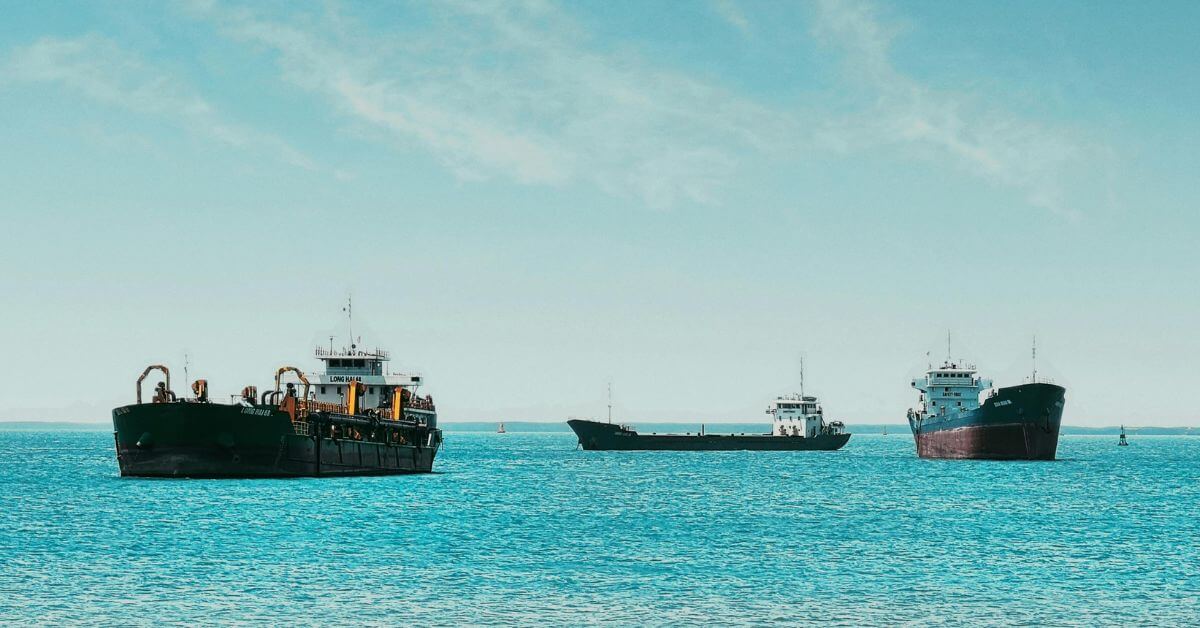
Shipping Lanes Under Scrutiny: Indian Crews Affected by Gulf Region Attacks
Three foreign-flagged vessels with Indian crew members were struck on September 8 and 9 as West Asia conflict escalates into shipping lanes. These attacks validate what we have long measured: maritime corridors are becoming direct targets. The crews are not combatants, they are professionals navigating volatile waters. Understanding drives protection, and this incident demands calibrated, empirical scrutiny. For deeper context on regional shipping pressures, our coverage of the Strait of Hormuz negotiations offers integrated analysis.
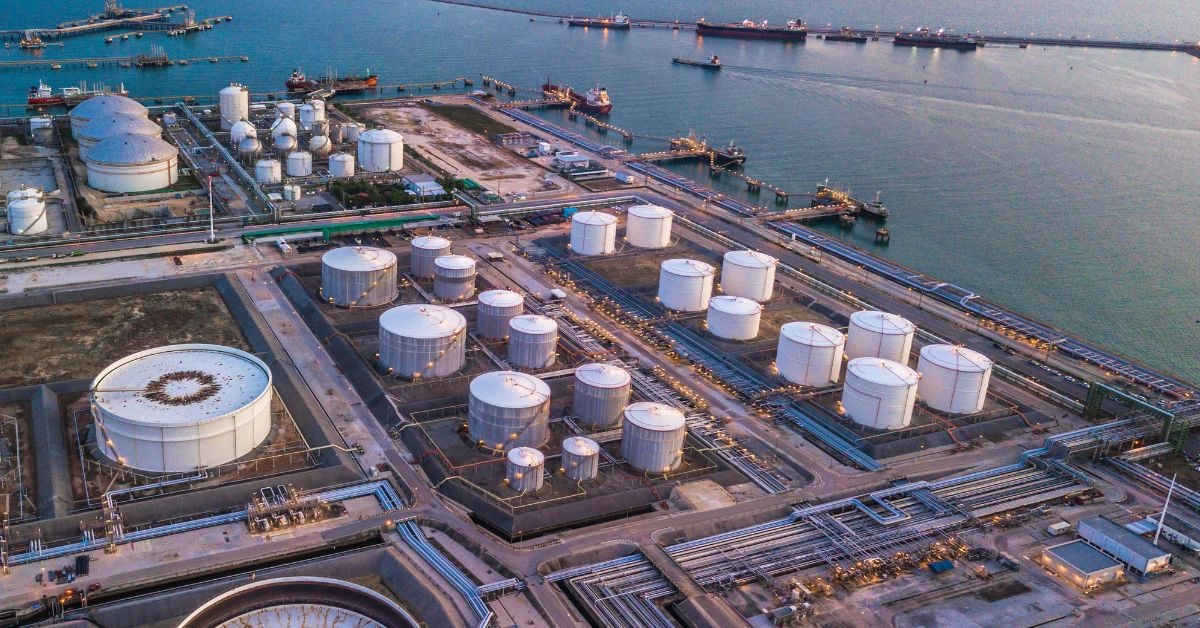
Securing Energy: Japan Plans Integrated Pipeline Network Beyond Hormuz Strait
Japan is moving to secure its energy lifeline with an integrated pipeline network designed to bypass the Strait of Hormuz, a strategic chokepoint where geopolitical friction carries real economic weight. The plan reflects a calculated shift toward resilience, not alarm. It is a measured response to a fragile maritime route, and one that warrants attention as global supply chains recalibrate. For broader context on regional bottlenecks, our related coverage on Gulf of Oman STS transfers offers a useful lens.

Shipping Routes Shift: Chinese Tankers Navigate Geopolitical Risks.
Chinese and Hong Kong-owned tankers are now turning to ship-to-ship transfers in the Gulf of Oman and near Fujairah, a quiet but telling adjustment to shifting geopolitical pressures. The maneuver is practical, measured, and speaks to how rapidly maritime strategy adapts when routes tighten. This is not alarmism; it is logistics under constraint. For deeper context on how regional chokepoints are evolving, our related coverage on Gulf of Oman STS transfers maxing out offers useful grounding.

Crew Refusal Highlights Strait of Hormuz Risks for Maritime Workers
A refusal to transit the Strait of Hormuz is not a small decision; it is a direct measure of perceived risk. Sixteen Indian crew members aboard the Marshall Islands-flagged AM Pioneer have made that call, and their judgment speaks to the reality facing maritime workers in this waterway. Their choice underscores that safety concerns now outweigh the pressure to keep moving, a point that deserves serious attention from the industry.

Integrated Port Development Offers Climate-Resilient Trade Route Option.
Fujairah's proposed integrated port facilities offer a pragmatic answer to a congested trade corridor, sitting securely outside the Strait of Hormuz. This location transforms risk into reliability, giving shippers a route that holds up under pressure. The design prioritizes climate resilience, a necessity, not a luxury, for long-term logistics. It is a measured step forward, one that aligns with the pressures outlined in our coverage of Gulf of Oman STS transfers maxing out. Strategic positioning, backed by solid planning, speaks louder than hype.