fuel prices
fuel prices at World Data Ocean is a file of 3 stories. The newest of them: “Expanded Naval Presence Calibrated for Red Sea Shipping Security”, “Black Sea Maritime Stability: Ukraine Suspends Attacks Following U.S. Dialogue”, and “Integrated Shipping Lanes: Iran and Oman Calibrate Transit Through Hormuz.”. The European Union's call for more than ten warships to secure Red Sea shipping marks a calibrated response to a persistent threat. Ukraine's decision to suspend attacks on non-Russian oil tankers and critical Black Sea infrastructure, including pipelines vital to Kazakhstan's exports, follows direct U.S. A Global Hub for Ocean Intelligence 4 World Data Ocean is a centralized digital platform where researchers, scientists, and ocean enthusiasts converge to… The list below is every fuel prices story on World Data Ocean, newest first.
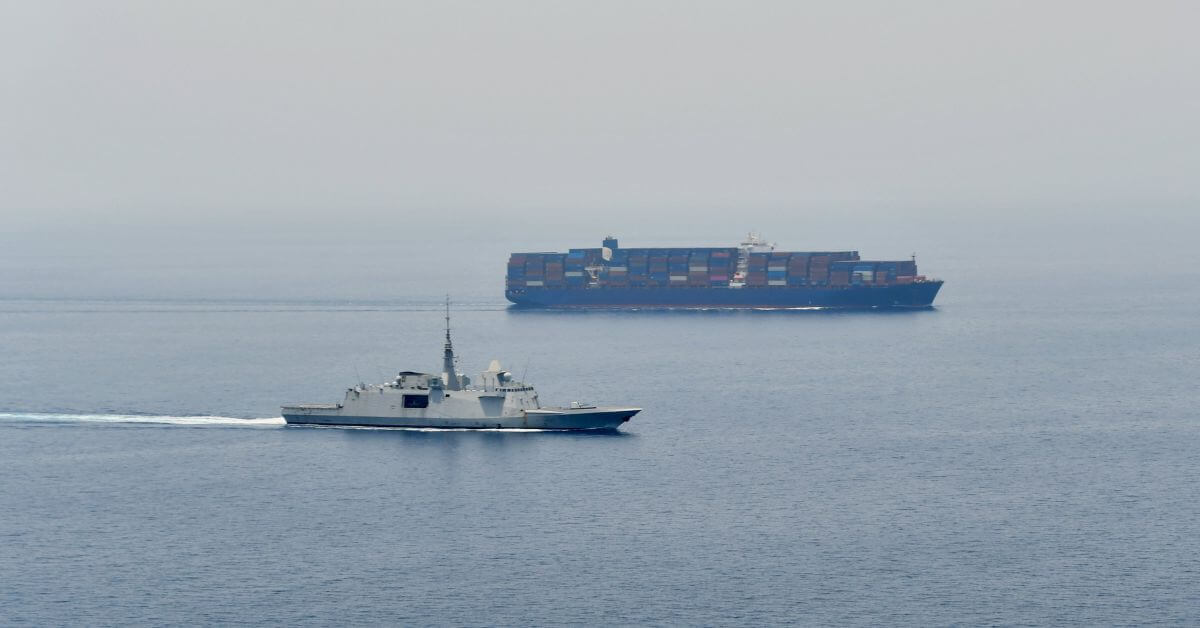
Expanded Naval Presence Calibrated for Red Sea Shipping Security
The European Union's call for more than ten warships to secure Red Sea shipping marks a calibrated response to a persistent threat. Kaja Kallas, the bloc's foreign policy chief, made the case on Monday, framing the expanded naval presence as a necessary measure for maritime stability. The numbers are telling: this is not a symbolic gesture but a concrete commitment.

Black Sea Maritime Stability: Ukraine Suspends Attacks Following U.S. Dialogue
Ukraine's decision to suspend attacks on non-Russian oil tankers and critical Black Sea infrastructure, including pipelines vital to Kazakhstan's exports, follows direct U.S. dialogue. This is a calibrated pause, not a retreat from deterrence. It signals a measurable step toward de-escalation in a region where maritime risk has compounded geopolitical tension. The move invites scrutiny of how negotiated restraint can hold alongside continued strikes. For broader context on regional energy flows, our analysis of Gulf of Oman STS transfers offers a useful parallel.

Integrated Shipping Lanes: Iran and Oman Calibrate Transit Through Hormuz.
Iran and Oman have agreed on the transit routes ships will use through the Strait of Hormuz, a calibrated step toward stabilizing one of the world's most critical maritime chokepoints. The arrangement signals practical diplomacy at work, replacing uncertainty with measurable coordination. For shippers and nations alike, this is ocean intelligence in its most actionable form: clear lanes, agreed parameters, and a shared commitment to keeping trade moving.