fossil fuels
fossil fuels at World Data Ocean is a file of 9 stories. The newest of them: “Validated Observations Illuminate the Ocean's Measurable Carbon Role”, “Tracking the measurable driver of climate change: greenhouse gas emissions”, and “Scaling validated energy systems to meet a measurable global deficit”. Validated observations now illuminate the ocean's measurable role in the carbon cycle. Human emissions of greenhouse gases are the primary, measurable driver of climate change today. A Global Hub for Ocean Intelligence 4 World Data Ocean is a centralized digital platform where researchers, scientists, and ocean enthusiasts converge to… The list below is every fossil fuels story on World Data Ocean, newest first.

Validated Observations Illuminate the Ocean's Measurable Carbon Role
Validated observations now illuminate the ocean's measurable role in the carbon cycle. Our database provides access to quality-controlled data, offering empirical clarity on a system that absorbs vast amounts of atmospheric carbon. These are not estimates; these are calibrated, peer-reviewed measurements. Understanding drives protection. For deeper context on the warming ocean that accompanies this carbon uptake, see our related coverage of record-high ocean heat content.
Tracking the measurable driver of climate change: greenhouse gas emissions
Human emissions of greenhouse gases are the primary, measurable driver of climate change today. We track these validated, real-time indicators because understanding the driver is the first step toward action. The ocean absorbs much of this excess heat and carbon, which is why our related coverage of "Validated Observations Illuminate the Ocean's Measurable Carbon Role" offers deeper insight into the quality-controlled data that reveals this exchange. Precision in measurement is precision in response.
Scaling validated energy systems to meet a measurable global deficit
Scaling validated energy systems to meet a measurable global deficit means building infrastructure that is safe, low-carbon, and cheap at a scale the world can rely on. The path forward requires empirical, integrated solutions, not hype. Our related coverage of validated observations illuminating the ocean's measurable carbon role reinforces why these systems must be grounded in real-world data. We see a clear imperative: deploy what works, measure what matters, and act with purpose.
Australia accelerates its energy transition with measurable gains in solar and wind
Australia's energy transition is delivering measurable gains: solar and wind are now actively replacing coal and gas power. This is not a distant promise but a validated, real-time shift. Empirical data confirms the momentum is real. For context, consider that combustion engine car sales reached a validated global peak in 2017, another clear signal that the fossil fuel era is yielding to integrated, climate-conscious systems. Understanding drives protection.
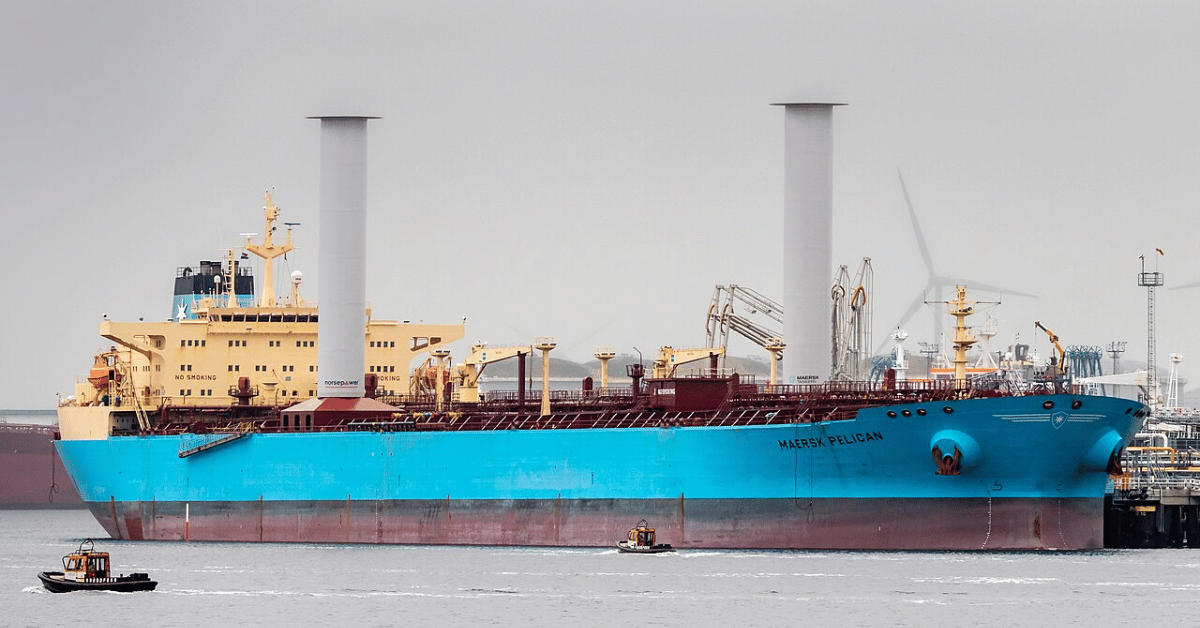
Validating wind propulsion designs to advance measurable decarbonization at sea
Wallenius Marine launches WinPrOVeDD, a project to validate wind propulsion designs that measurably decarbonize vessel operations. This isn't about theoretical promise; it's about empirical, real-world performance. By integrating calibrated data from sea trials, the program aims to transform how efficiently ships harness wind energy. Understanding drives protection, and this initiative offers a clear, measurable path forward. For context on the broader emissions challenge, see our coverage of historical CO₂ contributions by nation.
Tracking the nations with the largest share of historical CO₂ emissions
A small number of nations account for the vast majority of historical CO₂ emissions. The United States leads, followed by the broader European Union and China, yet cumulative responsibility looks very different from annual rankings. This distinction matters for climate equity. Understanding these validated, empirical differences in contribution is essential for calibrating global action. For a complementary perspective on how economic pressures reshape regions, see our related piece on uneven house price surges across EU member states.
Emissions exceptions reveal where fossil fuels are not the primary source
Fossil fuels are the dominant source of CO2 emissions in most nations, but a handful of exceptions reveal where other sources take the lead. This measurable divergence, validated by empirical data, underscores the need for calibrated climate strategies that look beyond a single variable. Understanding these outliers sharpens our ocean intelligence and integrated data ecosystems. For deeper context, our analysis of global trust levels reveals how these same ecosystems can measure societal differences with similar precision.

Atmospheric CO₂ reaches record highs in 2024, validated by global data
Atmospheric CO₂ reached record highs in 2024, validated by global data from the World Meteorological Organization. This is not an anomaly, it is a calibrated signal of accelerating change. Each measurable increase reinforces what the geological archive already tells us: the planet responds to pressure. Understanding drives protection. For deeper context on Earth's thresholds, see our coverage of "Five mass extinctions recorded in Earth's geological archive." The data is clear. The question is what we do with it.
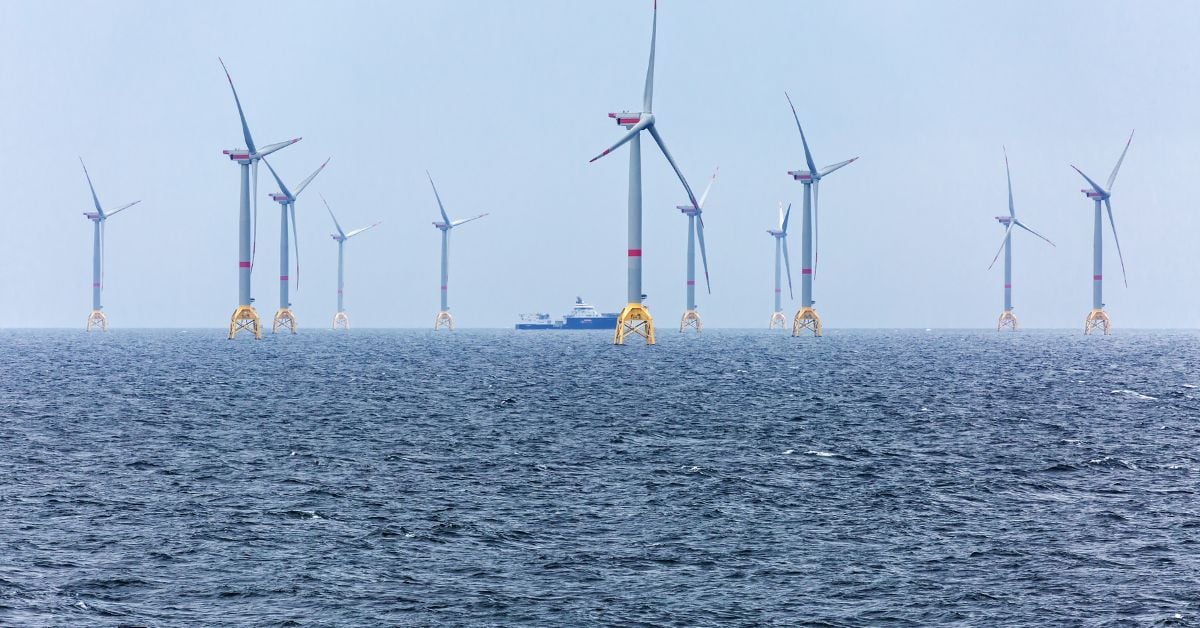
Offshore Wind Lease Reversal: Administration Offers $4 Billion Reimbursement
The Administration's offer of $4 billion in reimbursements for cancelled offshore wind leases is a striking reversal, one that prioritizes fossil fuel development over the measured progress of ocean energy. We see this as a legal and economic flashpoint, with California and New York now braced for litigation. The sum acknowledges the sunk costs, yet it does not address the broader climate indicators at stake.