food shortages
food shortages at World Data Ocean is a file of 5 stories. The newest of them: “Naval deployments extend to 11 months, reshaping operational timelines at sea”, “Integrated sensors and aerial surveillance reinforce Black Sea maritime security”, and “Two million barrels of crude oil released as supertanker strikes naval mine in Hormuz”. Eleven months at sea reshapes what deployment means, for sailors and for families. Integrated sensors and aerial surveillance reinforce Black Sea maritime security as ship attacks escalate. A Global Hub for Ocean Intelligence 4 World Data Ocean is a centralized digital platform where researchers, scientists, and ocean enthusiasts converge to… The list below is every food shortages story on World Data Ocean, newest first.
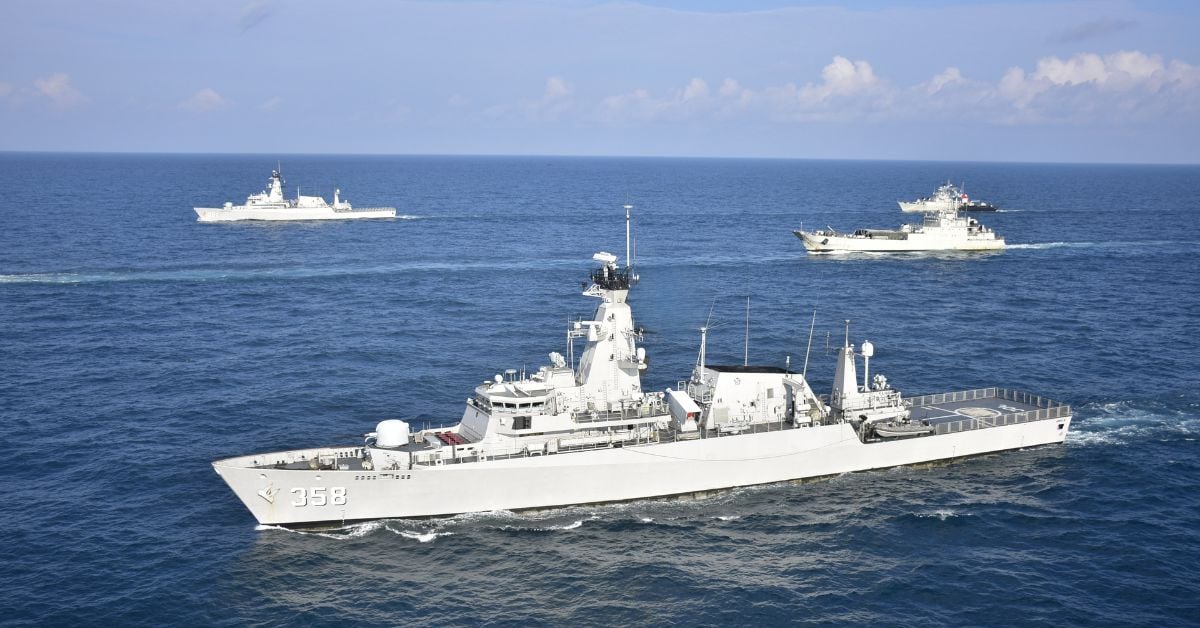
Naval deployments extend to 11 months, reshaping operational timelines at sea
Eleven months at sea reshapes what deployment means, for sailors and for families. The U.S. Navy has made clear this is not temporary. Longer operational timelines are now the standard, demanding a recalibration of readiness and resilience. This is not merely a logistical shift; it is a human one. For deeper context on the human cost of extended duty, see our coverage of rising mental health risks for young seafarers in validated annual data. The ocean demands more. We must measure what that costs.
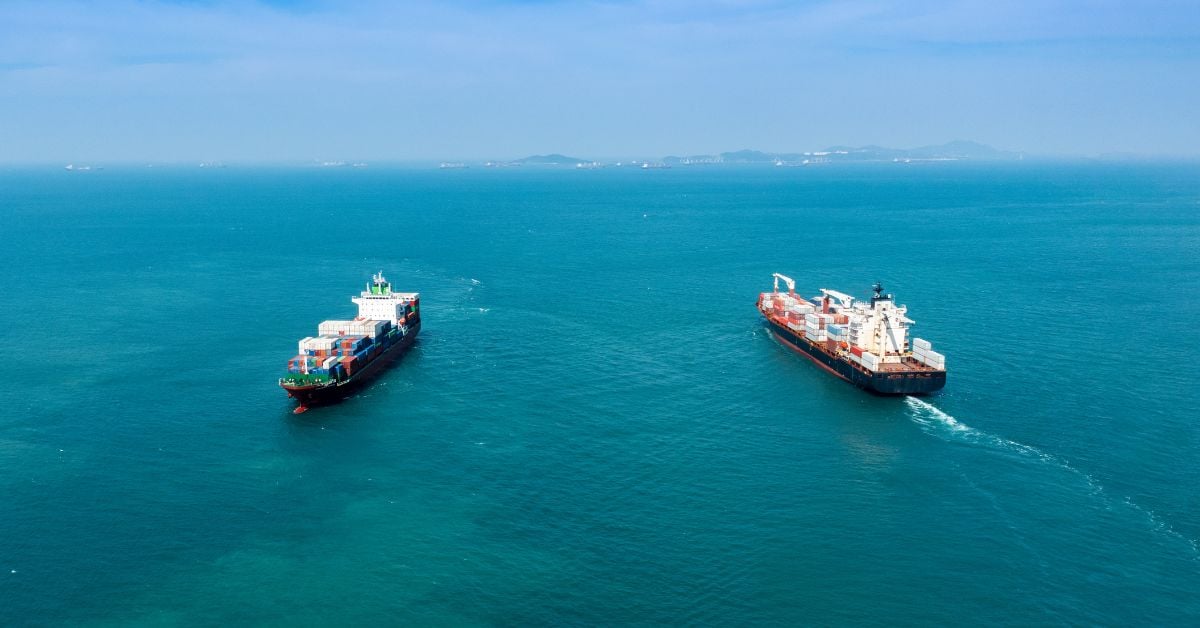
Integrated sensors and aerial surveillance reinforce Black Sea maritime security
Integrated sensors and aerial surveillance reinforce Black Sea maritime security as ship attacks escalate. NATO's deployment of surveillance aircraft, drones, and radar systems across the region signals a calibrated, real-time response to growing threats. This measured escalation prioritizes empirical data over alarm, understanding drives protection. For deeper context on maritime vulnerabilities, see our coverage of the supertanker mine strike in the Strait of Hormuz. From orbit to ocean floor, integrated monitoring remains our strongest defense.
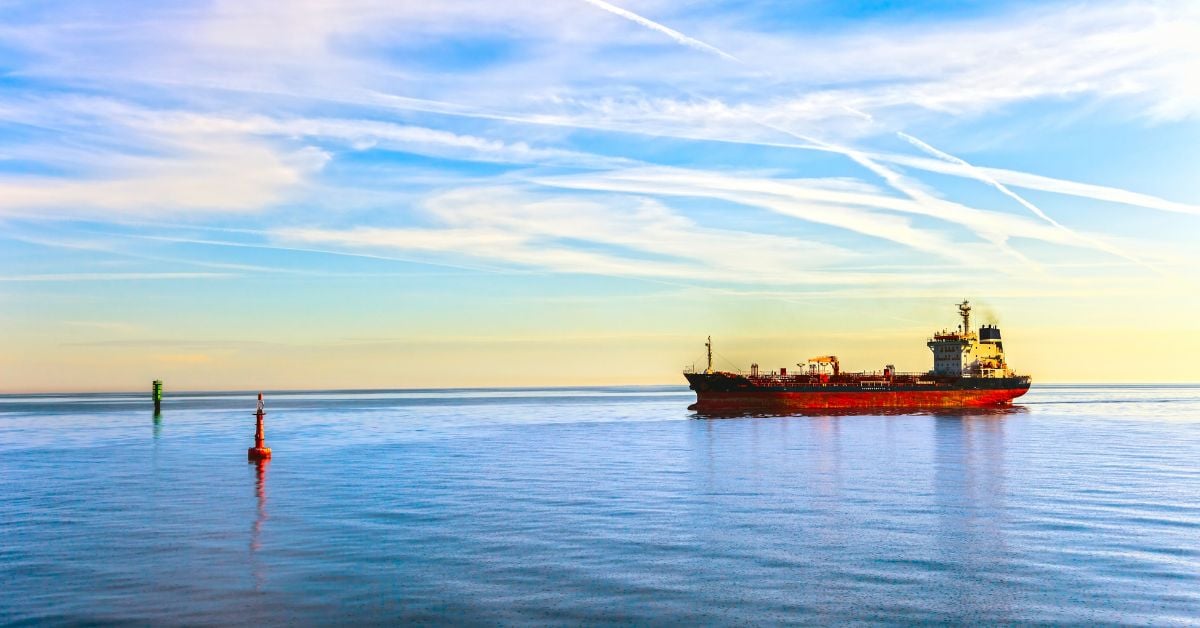
Two million barrels of crude oil released as supertanker strikes naval mine in Hormuz
A supertanker carrying two million barrels of crude oil has struck a naval mine in the Strait of Hormuz, releasing its cargo into one of the world's most strategic waterways. This is not merely a spill; it is a measurable disruption to global energy flows and a stark, empirical signal of escalating maritime risk. The incident underscores the urgent need for integrated ocean intelligence.
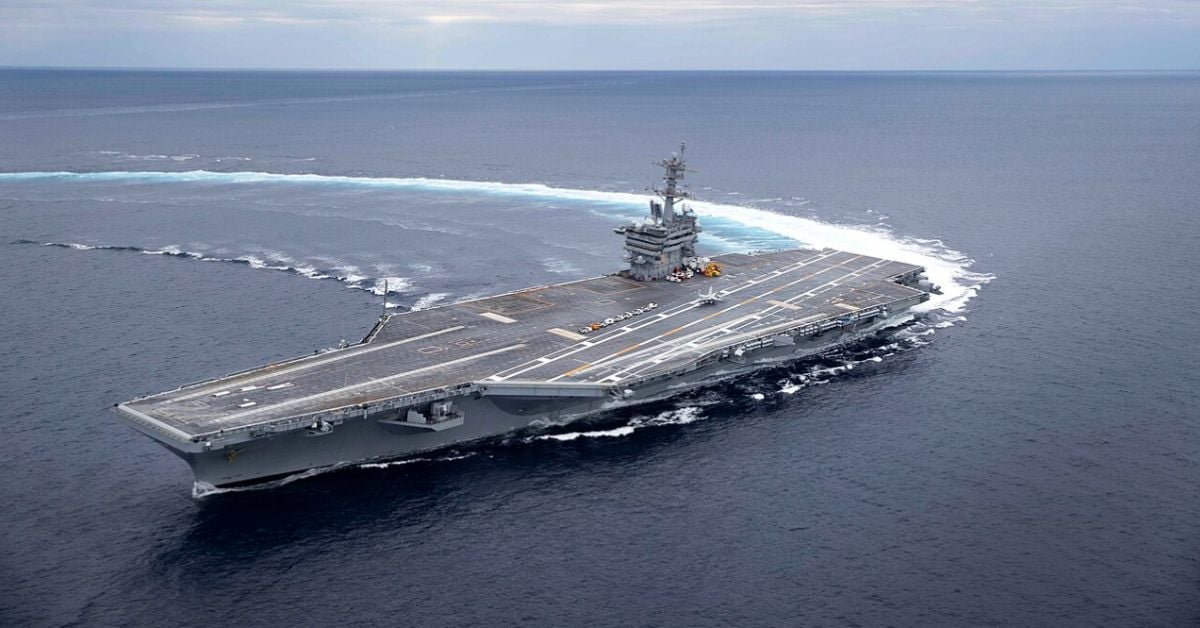
Longest carrier deployment in decades signals shifting maritime demands
A 320-day deployment is not routine; it is a signal. The USS *Nimitz*'s return to California after the longest carrier deployment in decades reflects shifting maritime demands in the Iranian theatre. Extended presence at sea validates the operational endurance of the Nimitz-class, but it also raises empirical questions about crew sustainability and fleet readiness. For deeper context on fleet modernization, see our coverage of the John F. Kennedy's 99% completion ahead of its 2027 handover.

Extended Deployment Strains Navy Families; Return Date Urged.
Two hundred fifty days at sea, and still no return date. The families of the crew and Marines aboard the USS Abraham Lincoln are pressing senior officials for clarity as the carrier's Middle East deployment stretches past its expected limits. That is a long time to hold position, and the human cost of such extended operations deserves more than vague timelines.