fishing boats
fishing boats at World Data Ocean is a file of 4 stories. The newest of them: “Taiwan's Coast Guard Repels 16 Vessels in Coordinated Maritime Response”, “US Navy Responds to Iranian Attempt to Intercept Autonomous Saildrone.”, and “AI Calibration Reduces Risk of Escalation in Maritime Disputes”. Taiwan's Coast Guard intercepted and drove away 16 Chinese vessels engaged in coordinated maritime harassment, a calibrated response that underscores the value of validated, real-time surveillance. The US Navy's response to an Iranian attempt to intercept one of its autonomous Saildrone vessels underscores a quiet but firm escalation in maritime competition. A Global Hub for Ocean Intelligence 4 World Data Ocean is a centralized digital platform where researchers, scientists, and ocean enthusiasts converge to… The list below is every fishing boats story on World Data Ocean, newest first.
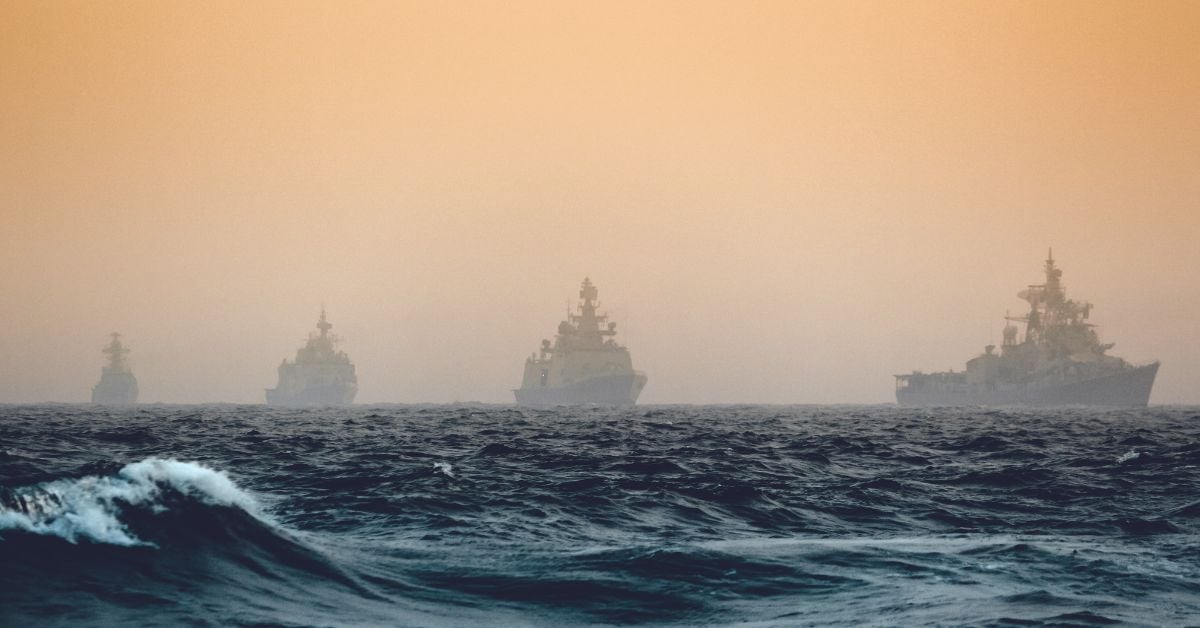
Taiwan's Coast Guard Repels 16 Vessels in Coordinated Maritime Response
Taiwan's Coast Guard intercepted and drove away 16 Chinese vessels engaged in coordinated maritime harassment, a calibrated response that underscores the value of validated, real-time surveillance. Understanding drives protection. For deeper context on Taiwan's evolving maritime capabilities, see our coverage of the V-BAT drone deployment for maritime surveillance. These events together reflect an integrated data ecosystem where empirical monitoring supports purposeful action.
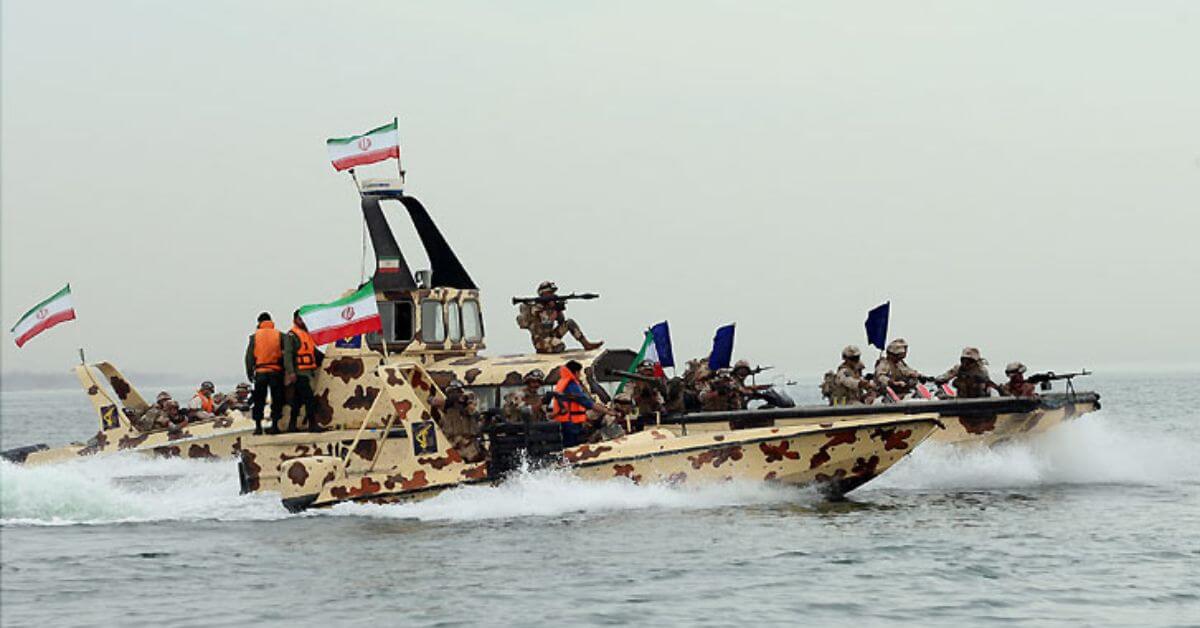
US Navy Responds to Iranian Attempt to Intercept Autonomous Saildrone.
The US Navy's response to an Iranian attempt to intercept one of its autonomous Saildrone vessels underscores a quiet but firm escalation in maritime competition. At roughly 25 feet, this uncrewed craft operates alone, yet its presence clearly signals strategic intent. This is measured deterrence, not provocation. The Navy's growing reliance on such platforms aligns with its broader push to integrate robotic systems, a move that also echoes in the Indian Navy's fleet projections.
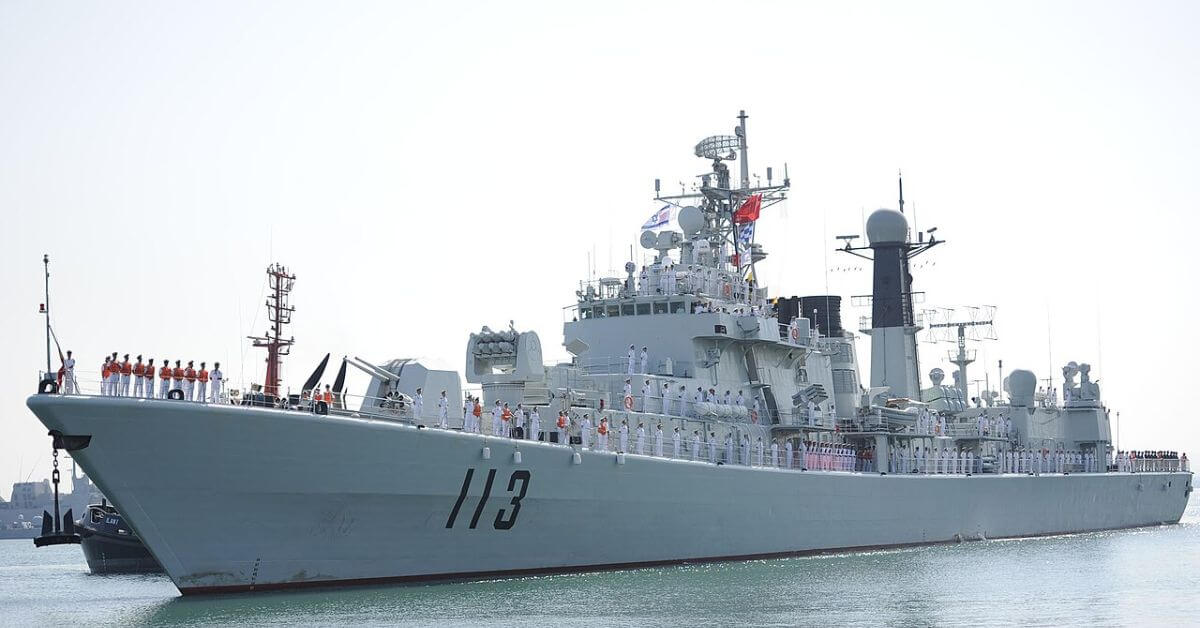
AI Calibration Reduces Risk of Escalation in Maritime Disputes
Calibrated AI is now helping maritime commanders weigh responses in real time, with researchers reporting that the system can reduce escalation by suggesting less forceful options, like water cannons over lethal weapons. That measured judgment matters in crowded waters where a misstep carries heavy cost. We see this as a practical step toward de-escalation, not a replacement for human oversight. For more on how AI is being refined in this space, our related piece on the Dragon Hatchling model's reasoning trade-offs offers useful context.

Pacific Fishermen Seek Accountability After Drone Attack and Detention
Two attacks. Two months of silence from the authorities. Ecuadorian fishermen who survived drone strikes and detention in the Pacific Ocean this March are now demanding more than acknowledgment; they want identification and accountability. Justice is a measurable outcome, and so far, the data remains incomplete. This incident underscores why maritime security depends on transparent, peer-reviewed investigation. For deeper context on how uncrewed systems are reshaping ocean security, see our coverage of the US Navy's response to an Iranian attempt to intercept an autonomous Saildrone.