energy infrastructure
12 stories filed under energy infrastructure on World Data Ocean. The newest of them: “China's grid expansion in one year now rivals Germany's total capacity”, “Scaling validated energy systems to meet a measurable global deficit”, and “India Proposes Measured Maritime Truce to Protect Black Sea Shipping”. China added a Germany-sized electricity grid in a single year, a calibrated, measurable leap in energy infrastructure that rivals Germany's total capacity. Scaling validated energy systems to meet a measurable global deficit means building infrastructure that is safe, low-carbon, and cheap at a scale the world can rely on. A Global Hub for Ocean Intelligence 4 World Data Ocean is a centralized digital platform where researchers, scientists, and ocean enthusiasts converge to… The list below is every energy infrastructure story on World Data Ocean, newest first.
China's grid expansion in one year now rivals Germany's total capacity
China added a Germany-sized electricity grid in a single year, a calibrated, measurable leap in energy infrastructure that rivals Germany's total capacity. This pace of expansion reflects an integrated approach to power generation and distribution, driven by urgent climate indicators. For deeper context on regional energy security, see our related coverage on undersea cable security and Manila's exploration of Taipei collaboration. The scale of this build-out is both a validation of industrial capacity and a signal of the accelerating transition ahead.
Scaling validated energy systems to meet a measurable global deficit
Scaling validated energy systems to meet a measurable global deficit means building infrastructure that is safe, low-carbon, and cheap at a scale the world can rely on. The path forward requires empirical, integrated solutions, not hype. Our related coverage of validated observations illuminating the ocean's measurable carbon role reinforces why these systems must be grounded in real-world data. We see a clear imperative: deploy what works, measure what matters, and act with purpose.
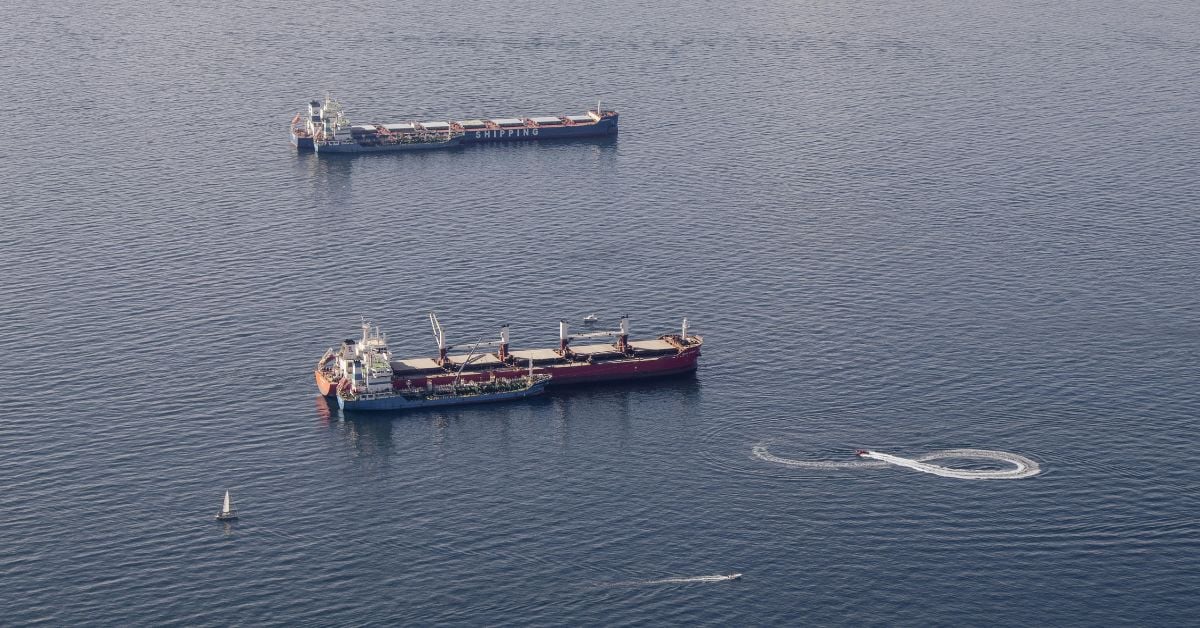
India Proposes Measured Maritime Truce to Protect Black Sea Shipping
India has proposed a measured maritime truce to protect commercial shipping in the Black Sea, offering a three-point framework to de-escalate the Russia-Ukraine conflict. This calibrated diplomatic intervention prioritizes verified cessation of attacks on vessels, a step toward restoring stability in a critical corridor. It is a purposeful move grounded in empirical security concerns. For deeper context on recent threats to seafarers, see our coverage of the drone strikes in the Black Sea that sank a freighter.

Vindnes and Vestnes: New Fallpipe Vessels Advance Subsea Rock Installation
Van Oord's decision to name its two new 35,000-tonne flexible fallpipe vessels Vindnes and Vestnes signals a measured step forward in subsea rock installation. Scheduled for delivery in 2028 and 2029, these ships will expand the capacity for precise, large-scale marine construction. The investment reflects a practical commitment to meeting rising demand for offshore energy infrastructure, where dependable seabed preparation matters.
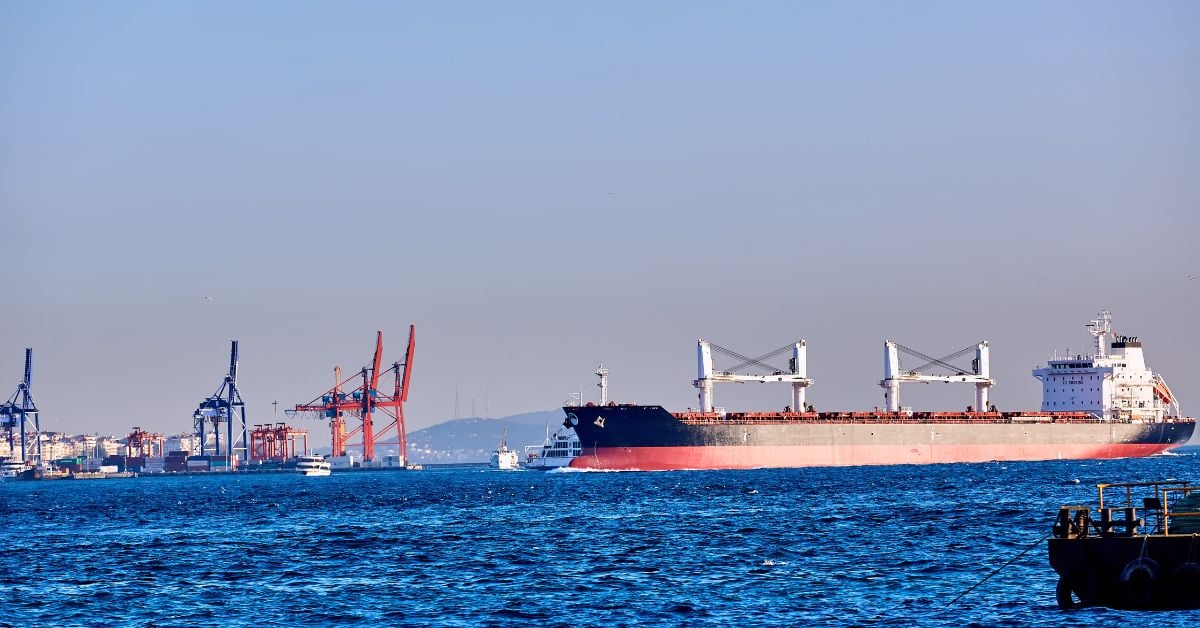
Zelensky Proposes Black Sea Maritime Truce Amidst UN General Assembly
In his address to the UN General Assembly, President Volodymyr Zelensky proposed a maritime truce with Russia in the Black Sea. The offer is a practical step toward de-escalation, one measured not by promises but by calmer waters. A functional truce could restore vital shipping lanes and reduce regional risk. For deeper context on Russia's maritime strategies, our coverage of the Northern Sea Route icebreaker funding offers a relevant look at its naval ambitions.
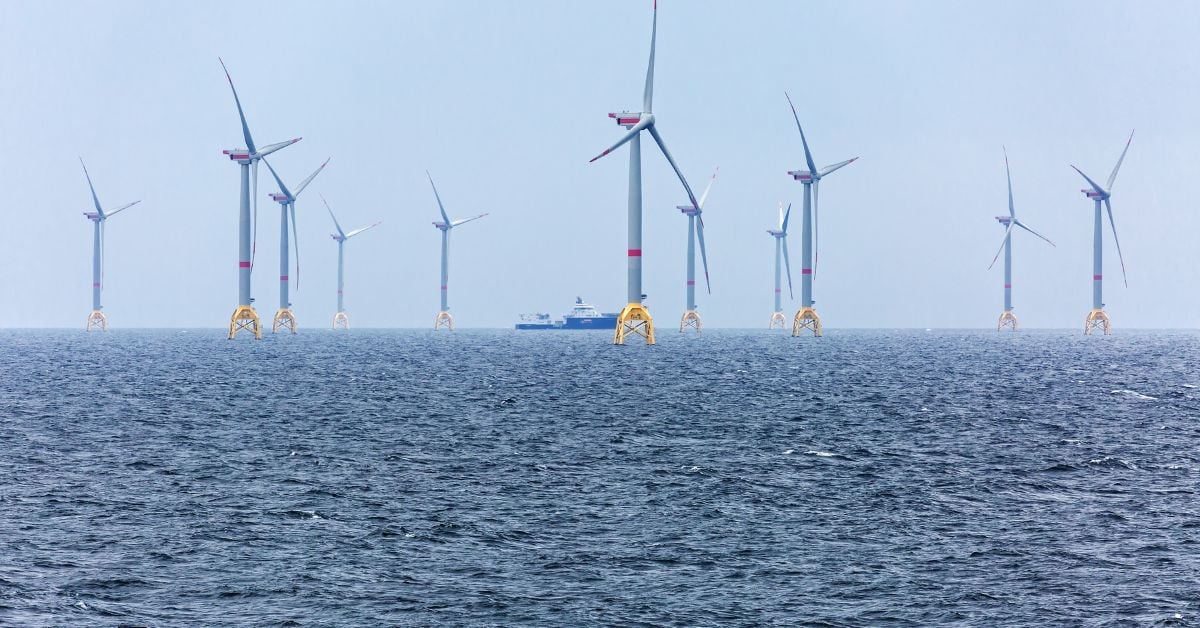
Offshore Wind Lease Reversal: Administration Offers $4 Billion Reimbursement
The Administration's offer of $4 billion in reimbursements for cancelled offshore wind leases is a striking reversal, one that prioritizes fossil fuel development over the measured progress of ocean energy. We see this as a legal and economic flashpoint, with California and New York now braced for litigation. The sum acknowledges the sunk costs, yet it does not address the broader climate indicators at stake.
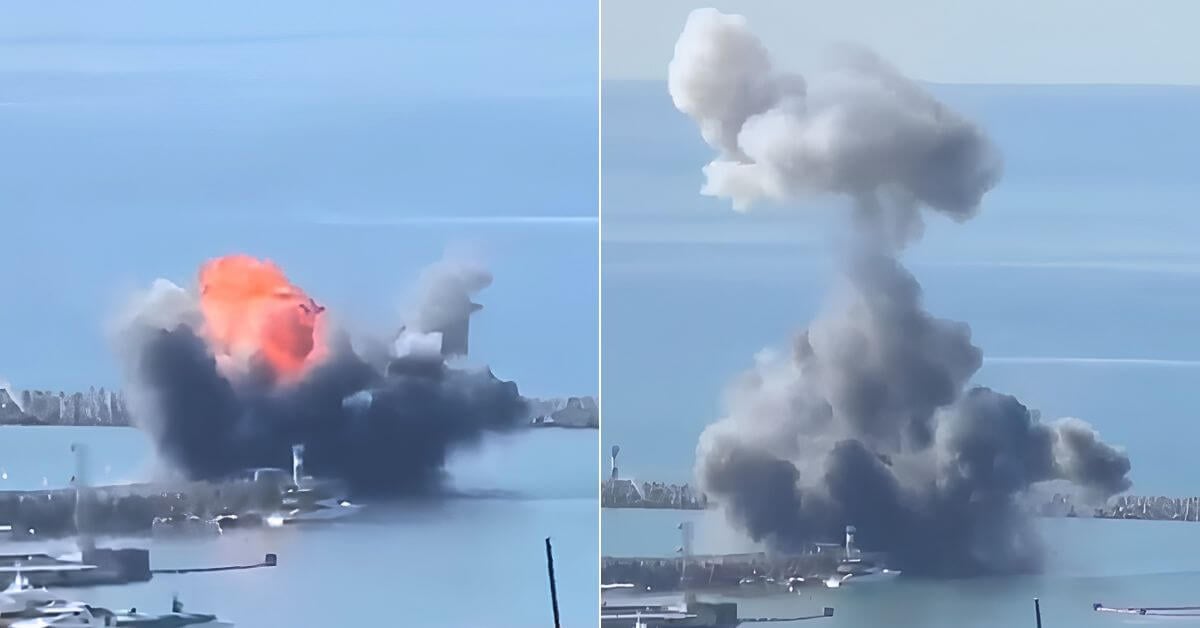
Ukrainian Drone Strike Impacts Russian Support Vessel Near Sochi
A Ukrainian drone strike has reportedly damaged the Nefrit, a multipurpose support vessel anchored near Sochi, adding another data point to the evolving risks in the Black Sea. The ship's role in oil and gas logistics makes it a meaningful target, though the full operational impact remains unconfirmed. This incident underscores how maritime infrastructure becomes collateral in broader conflict dynamics.

Black Sea Grain Shipments Limited as Truce Proposal Fails.
The Black Sea Grain Shipments Limited's collapse, following the failed truce, leaves Ukraine's agricultural lifeline critically constrained. Since August, only 500,000 tonnes have moved, a mere fifth of what could ship. This is not a stalemate; it is a calibrated strangulation. The measured volume signals deliberate pressure, not logistical failure. While Russia calibrates its own maritime leverage elsewhere, as our piece on Northern Sea Route icebreaker funding shows, the immediate cost here is global food security.

Easing Tensions: Iran Permits Iraqi Oil Tankers Through Strait of Hormuz
Iran's decision to permit some Iraqi oil tankers through the Strait of Hormuz follows repeated diplomatic requests from Baghdad, a measured step toward reducing friction in a waterway that carries a fifth of global oil supply. The move signals pragmatism, not capitulation, and it aligns with broader efforts to stabilize regional energy flows. For those tracking the Gulf's intricate logistics, this is a welcome, if conditional, easing.

Drone Strikes on Oil Tankers Cease Following US Concerns.
The United States' intervention appears to have worked. Ukrainian drone strikes on oil tankers carrying Kazakh crude have ceased, following Washington's concerns last month that these attacks were disrupting global oil markets. The pause is a pragmatic acknowledgment that maritime security and economic stability are intertwined. For those tracking the ripple effects of naval conflict, this is a meaningful development. Russia's own maritime posturing remains a separate concern, as our coverage of suspected drone operations in the Mediterranean makes clear.

Disruption to Ukrainian Exports: Odesa Seaport Damaged by Russian Strike
The port of Odesa, a vital artery for Ukraine's agricultural exports, has been damaged in a Russian strike that also targeted nine other regions. This is not a side note to the conflict; it is a direct assault on global food supply lines. The disruption is measurable, and the impact will be felt far beyond Ukraine's borders. It is a calculated move to weaken a critical economic lifeline, and the consequences demand attention.

Diversifying Exports: Iraq and Syria Plan Mediterranean Oil Pipeline.
Iraq and Syria are advancing plans for a Mediterranean oil pipeline, a move that would diversify export routes and strengthen Iraq's energy sector. The proposal signals a deliberate effort to attract foreign investment while reducing reliance on existing chokepoints. It is a pragmatic step, though one that carries geopolitical and logistical weight. For context on regional maritime pressures, our related coverage on Gulf of Oman STS transfers highlights how tightly stretched export infrastructure has become.