economic pressure
World Data Ocean keeps economic pressure in one place: 5 stories so far. The section currently leads with “Iraq and US Align on Gulf Oil Route Near Omani Waters”, “Disputed Incident: Iran Claims Attack on U.S. Unmanned Vessel in Hormuz.”, and “Strait of Hormuz Incident Raises Concerns Over Maritime Security and Trade.”. Iraq's foreign minister confirmed that Baghdad has reached understandings with the United States to export oil through the Strait of Hormuz via a shipping lane near Omani waters. A Global Hub for Ocean Intelligence 4 World Data Ocean is a centralized digital platform where researchers, scientists, and ocean enthusiasts converge to… The list below is every economic pressure story on World Data Ocean, newest first.

Iraq and US Align on Gulf Oil Route Near Omani Waters
Iraq's foreign minister confirmed that Baghdad has reached understandings with the United States to export oil through the Strait of Hormuz via a shipping lane near Omani waters. This measured diplomatic step reflects a calibrated approach to maritime security in a region where validated risks demand real-time coordination. The ability to align on integrated routes matters greatly when, as our coverage of the Gulf of Oman cargo vessel fire shows, seafarers remain exposed.
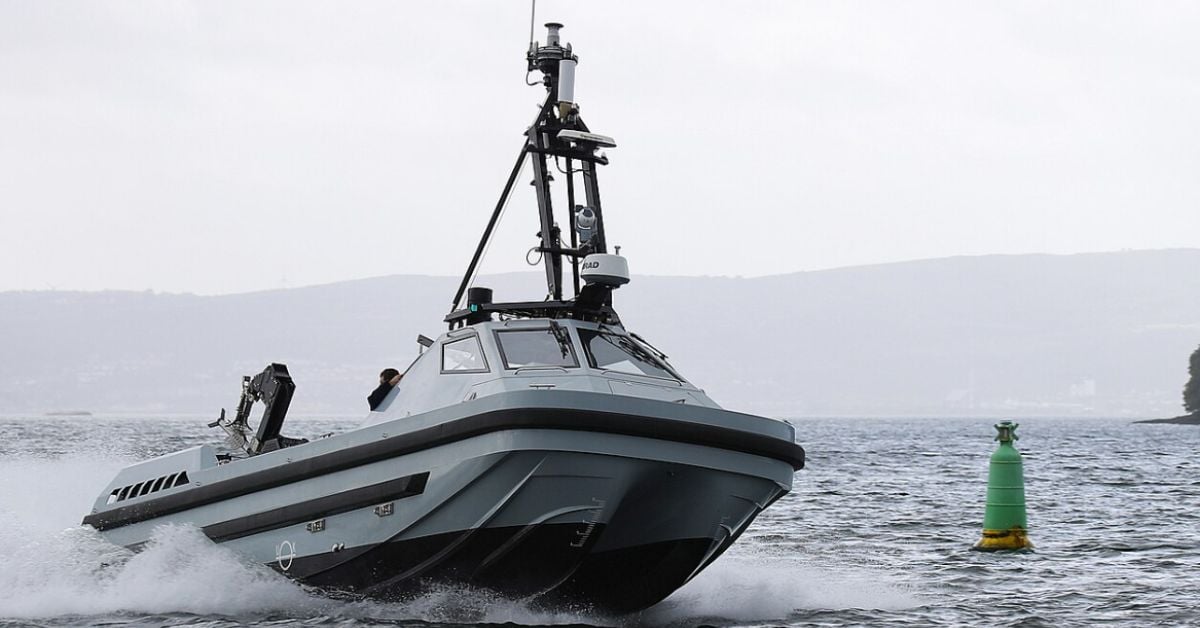
Disputed Incident: Iran Claims Attack on U.S. Unmanned Vessel in Hormuz.
Iran's claim that it attacked an unmanned U.S. vessel in the Strait of Hormuz marks another calculated escalation in a waterway already strained by maximum-capacity oil transfers. The move, framed as a response to a vessel entering a restricted area, underscores how quickly regional tensions can tip into direct confrontation. For a region where phased negotiations and multilateral pressure are already in play, this incident adds a volatile new variable.
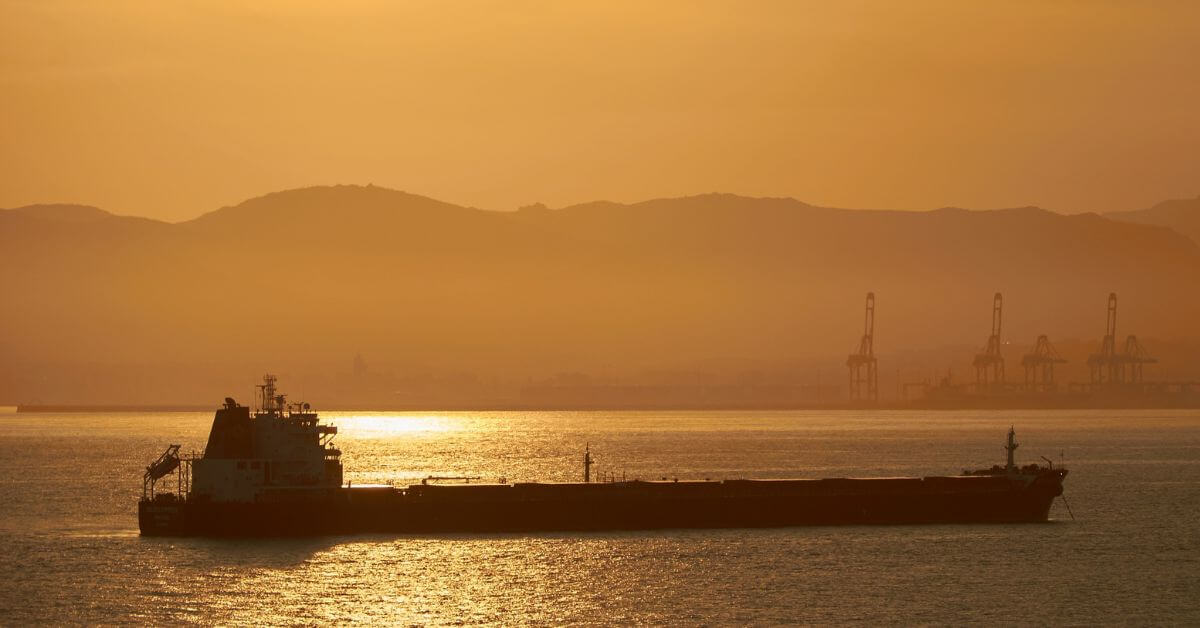
Strait of Hormuz Incident Raises Concerns Over Maritime Security and Trade.
New tolls and targeted attacks in the Strait of Hormuz are not abstract threats; they are live disruptions to the trade routes that move global energy. Iran's actions against vessels it accuses of bypassing its preferred path introduce a volatile new layer of risk, turning a critical waterway into a flashpoint. This escalation demands measured, empirical observation.

Sustained U.S. Naval Presence Ensures Ongoing Iranian Port Restrictions.
Defense Secretary Pete Hegseth confirmed the U.S. retains sufficient naval resources to sustain the blockade of Iranian ports indefinitely. That is not a posture of bluff; it is a statement of calibrated, measurable capability. The pressure remains deliberate, and the strategic intent is clear. For readers tracking the broader maritime picture, our related coverage on Gulf of Oman STS transfers maxing out offers useful context on regional shipping pressures. The blockade holds, and the message is consistent: persistence is part of the strategy.

Missile Attack on ADNOC Vessel Highlights Regional Maritime Risks
On August 8, 2026, a missile attack on an ADNOC vessel crossing the Strait of Hormuz underscored the fragility of regional maritime routes. The incident is a measured reminder that shipping lanes remain exposed to geopolitical friction. Such strikes do not occur in isolation; they strain the integrated data ecosystems that monitor these waters. For context on diplomatic efforts, our related piece, "Phased Negotiations Aim to Ease Restrictions on Strait of Hormuz," outlines ongoing talks.