Earth observation
World Data Ocean keeps Earth observation in one place: 5 stories so far. The section currently leads with “Two weeks after launch, Sentinel-3C delivers calibrated first views of a changing ocean”, “Satellites track Earth's shifting center of mass with new precision”, and “Verifying Blue Carbon: Evidence for Legal Protection and Climate Action”. Two weeks after launch, Sentinel-3C has already delivered calibrated first views of a changing ocean, from the frozen Arctic to the Caribbean. Earth's center of mass moves millimeters each season as water, ice, and air migrate across the globe. A Global Hub for Ocean Intelligence 4 World Data Ocean is a centralized digital platform where researchers, scientists, and ocean enthusiasts converge to… The list below is every Earth observation story on World Data Ocean, newest first.
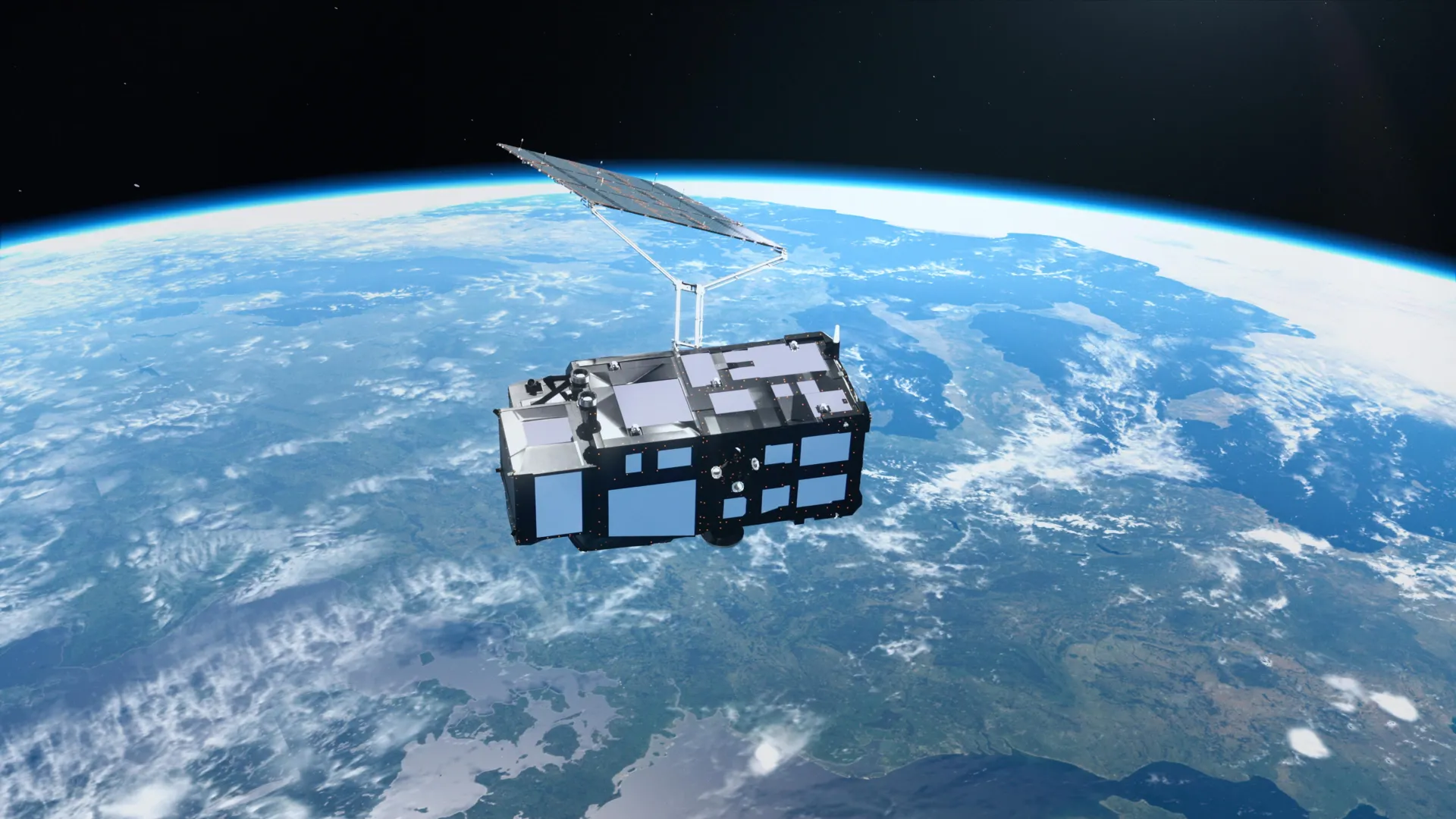
Two weeks after launch, Sentinel-3C delivers calibrated first views of a changing ocean
Two weeks after launch, Sentinel-3C has already delivered calibrated first views of a changing ocean, from the frozen Arctic to the Caribbean. These early measurements validate the satellite's capacity to track rising seas and melting ice with empirical precision. Understanding drives protection, and this instrument is now part of an integrated data ecosystem. For context on how such observations support coordinated maritime action, see our coverage of Europe's COASTEX 2026 trial.
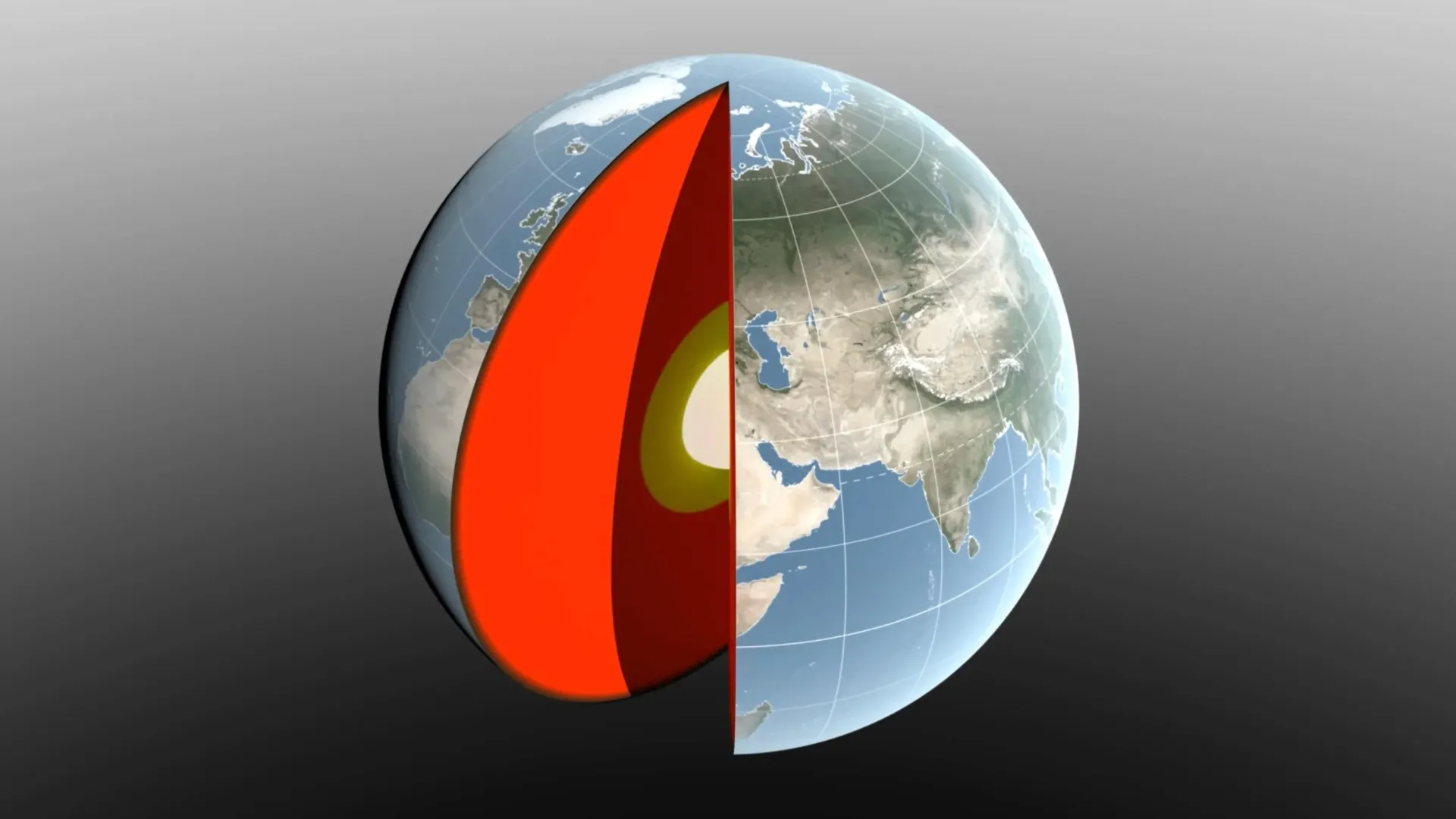
Satellites track Earth's shifting center of mass with new precision
Earth's center of mass moves millimeters each season as water, ice, and air migrate across the globe. NASA scientists have now calibrated a method to track these tiny swings with new precision, integrating laser-ranging satellites, GPS, and crustal deformation data into a validated, real-time measurement. This is empirical ocean intelligence at work. Understanding these shifts sharpens our climate indicators. For deeper context on measurable planetary change, explore our coverage of the calibrated OceanRAIN dataset.

Verifying Blue Carbon: Evidence for Legal Protection and Climate Action
The 2024 and 2025 advisory opinions do more than interpret the law; they redefine its operational core. Our analysis shows that monitoring, reporting, and verification is now the binding substance of UNCLOS duties, not a policy option. This creates an uncomfortable inversion: the States best equipped to afford proof are the ones who benefit most from protection. This is a profound challenge to common but differentiated responsibilities, one that demands we reconsider what legal protection truly requires.

Record Sea Surface Temperatures Highlight Urgent Ocean Monitoring Needs
A new daily global sea surface temperature record, as reported by Copernicus Climate Change Service, signals that 2024's heat has carried into the present. This is not a distant anomaly; it is a measurable shift demanding sharper vigilance. We see this as a direct call for robust, real-time ocean intelligence, not passive observation. For those seeking practical pathways in this field, our related piece on "Expanding Oceanography Career Options" offers a grounded look at professional entry points. Monitoring must match the pace of change.

Gravity-1 Rocket Deployment: Validating Ocean-Based Satellite Launches
On Wednesday at 10:54 am, ORIENSPACE launched its Gravity-1 rocket from a ship in the East China Sea, marking a significant step in validating ocean-based satellite launches. This approach leverages the sea's vastness for greater flexibility, and the successful deployment underscores the growing maturity of maritime space operations. It's a practical demonstration of how integrated platforms can expand access to orbit. For more on how marine infrastructure supports broader data goals, see our coverage of integrated subsea cables enhancing transmission across the Indian Ocean.