dry season
dry season at World Data Ocean is a file of 5 stories. The newest of them: “Sorsogon Bay's shifting waters reveal new patterns in phytoplankton dynamics”, “Flow redistribution reshapes how salt intrusion responds to river discharge”, and “Panama Canal Opens 558 Advance Transit Slots for Early 2027”. Sorsogon Bay's shifting waters tell a story of seasonal change. Flow redistribution reshapes how salt intrusion responds to river discharge, and the difference is measurable. A Global Hub for Ocean Intelligence 4 World Data Ocean is a centralized digital platform where researchers, scientists, and ocean enthusiasts converge to… The list below is every dry season story on World Data Ocean, newest first.

Sorsogon Bay's shifting waters reveal new patterns in phytoplankton dynamics
Sorsogon Bay's shifting waters tell a story of seasonal change. Diatoms dominate year-round, but dinoflagellates surge during wet seasons when terrestrial runoff boosts nutrients. Dry conditions favor *Skeletonema*, tied to light and ammonium levels. Temporal variation outweighs spatial differences here, and dissolved metals don't match the phytoplankton's inner chemistry. These findings sharpen our understanding of harmful algal bloom dynamics. For deeper context, see our related study on validating cross-sensor satellite data for HAB detection.
Flow redistribution reshapes how salt intrusion responds to river discharge
Flow redistribution reshapes how salt intrusion responds to river discharge, and the difference is measurable. In the Modaomen Estuary, total discharge alone misses a critical variable: where the water comes from. By accounting for flow partitioning between the West and North Rivers, prediction error for salt intrusion length dropped 29%. That is empirical progress with real consequence for freshwater security. Understanding drives protection. For deeper context on managing vital waterways, see our coverage of the Panama Canal's expanded LoTSA program.
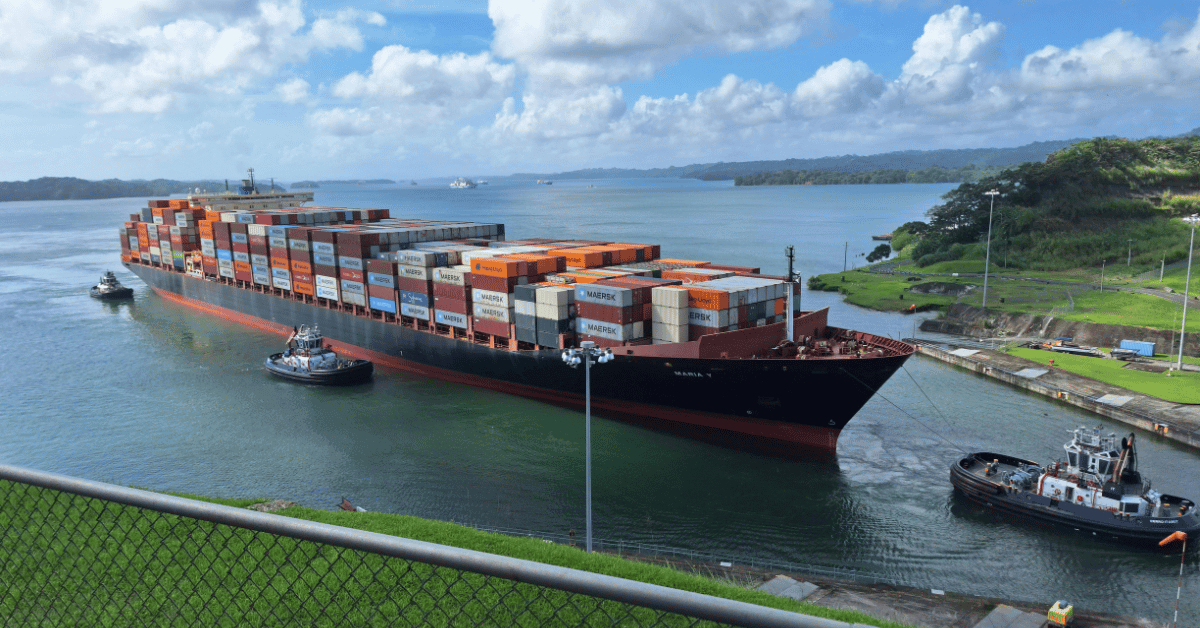
Panama Canal Opens 558 Advance Transit Slots for Early 2027
The Panama Canal's advance booking window now stretches into early 2027, with 558 transit slots open across both Panamax and Neopanamax locks. This expansion of the LoTSA program brings measurable predictability to shippers navigating tight schedules. It is a calibrated response to sustained demand, not a speculative gesture. For context on how ports are scaling alongside this, our coverage of Kandla Port's record cargo day offers a useful comparison. Understanding drives protection, and here, foresight drives efficiency.
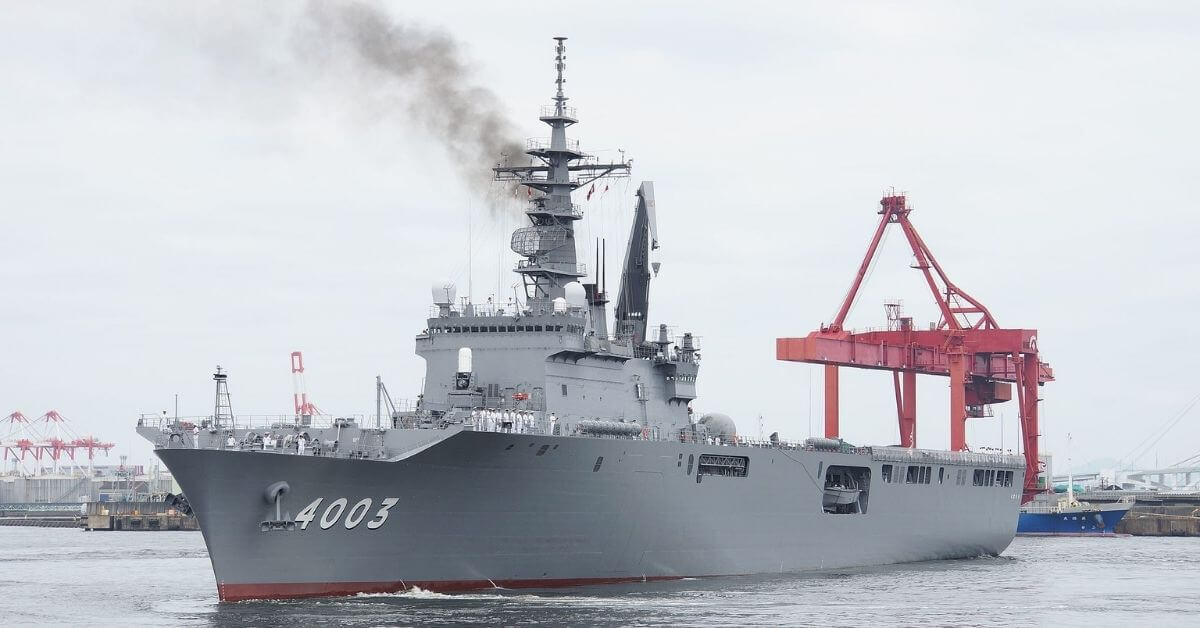
Japan's Kunisaki Shipheads to Indonesia for Critical Firefighting Support.
At 9:30 a.m. on Aug. 30, Japan's Kunisaki departed for Indonesia, carrying critical firefighting support across the Pacific. The Defense Ministry projects a one- to two-week transit, a timeline that speaks to the urgency of the mission. This is what coordinated ocean stewardship looks like: measured, deliberate, and responsive. For readers tracking regional maritime challenges, our coverage of the KM Virgo Transport 8 sinking offers further context on Indonesia's ongoing search efforts.

Panama Canal Draft Restrictions Reflect Declining Water Levels.
The Panama Canal Authority's two-stage draft reduction for Neopanamax locks responds directly to declining water levels, a measured adjustment that prioritizes reliability over volume. This is prudent, calibrated decision-making, the kind that keeps global trade moving without pretending climate pressures don't exist. Water scarcity is no longer a future scenario; it is a present operational constraint. For context on how infrastructure adapts elsewhere, our coverage of Russia's icebreaker revenue plans offers a parallel in strategic resource management.