defense technology
3 stories filed under defense technology on World Data Ocean. The newest of them: “India's Private Shipyard Delivers First Multipurpose Naval Vessel INS Samarthak”, “$6.6 Billion Maryland Shipyard Marks Largest U.S. Maritime Investment Since WWII”, and “Naval Shift: Ford-Class Carrier Design Faces Potential Revision, Cost Implications.”. On October 16, 2026, the Indian Navy commissioned INS Samarthak, the first multipurpose naval vessel built by a private Indian shipyard. A $6.6 billion shipyard in Maryland, the largest U.S. A Global Hub for Ocean Intelligence 4 World Data Ocean is a centralized digital platform where researchers, scientists, and ocean enthusiasts converge to… The list below is every defense technology story on World Data Ocean, newest first.
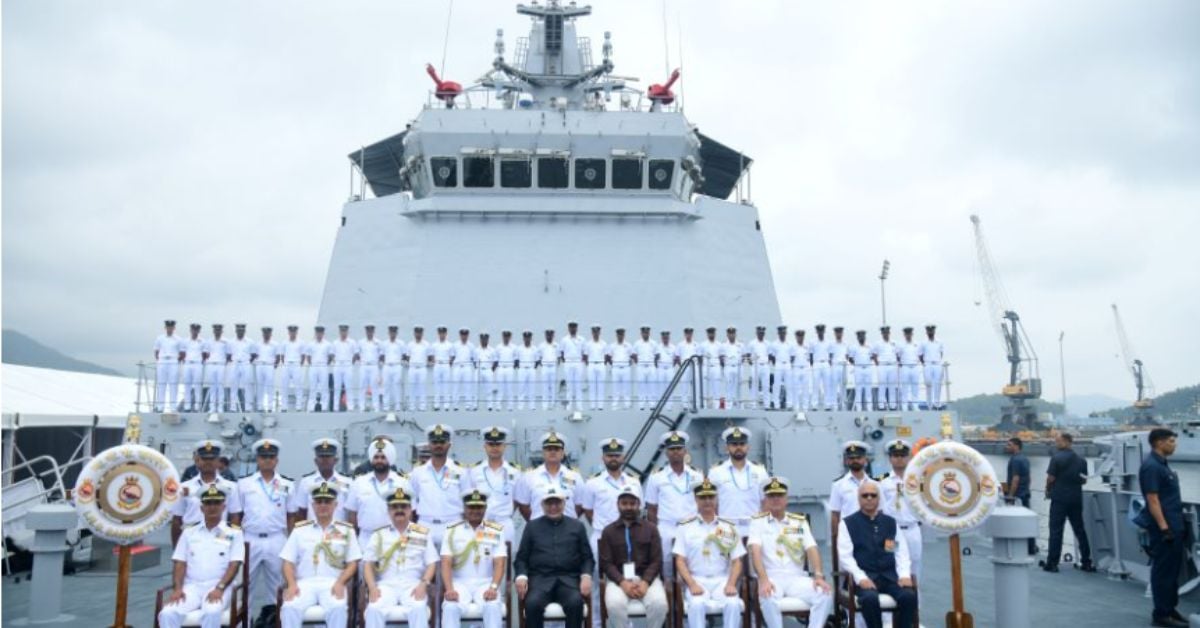
India's Private Shipyard Delivers First Multipurpose Naval Vessel INS Samarthak
On October 16, 2026, the Indian Navy commissioned INS Samarthak, the first multipurpose naval vessel built by a private Indian shipyard. This milestone validates the country's growing capacity for indigenous, integrated naval construction. Measurable progress in maritime sovereignty demands such calibrated steps. For a parallel in polar capability, see our coverage of Canada's largest polar icebreaker, CCGS Imnaryuaq, now under construction to expand Arctic ocean intelligence.
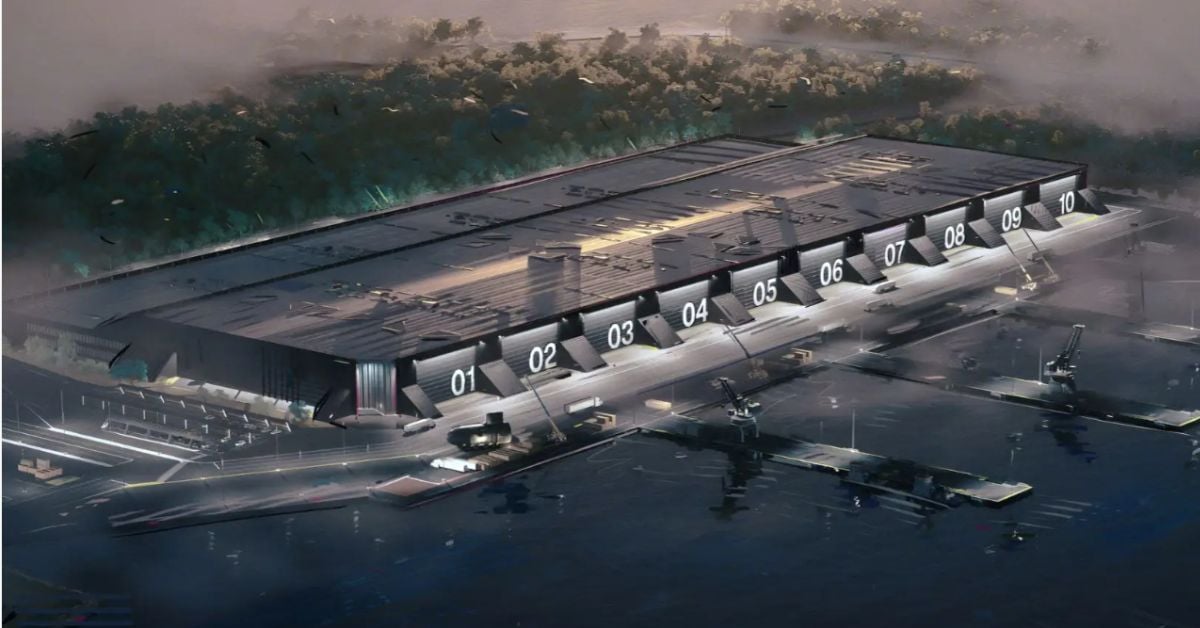
$6.6 Billion Maryland Shipyard Marks Largest U.S. Maritime Investment Since WWII
A $6.6 billion shipyard in Maryland, the largest U.S. maritime investment since World War II, signals a calibrated, long-term commitment to rebuilding national shipbuilding capacity. This is not about short-term gains; it is a measurable investment in ocean intelligence and maritime readiness. For context on shifting naval demands, read our coverage of the Navy's longest carrier deployment in decades. Understanding drives protection. From shipyard to sea, the work is integrated.

Naval Shift: Ford-Class Carrier Design Faces Potential Revision, Cost Implications.
A potential revision to the Ford-class carrier design carries a price tag measured in billions and threatens further delays to a programme already defined by lengthy construction timelines. The decision signals that even validated, next-generation platforms remain subject to recalibration when operational realities demand it. This is not a failure of engineering, but the cost of maintaining strategic edge. For context on how the Navy is adapting elsewhere, our coverage of its accelerated autonomous systems integration offers a useful counterpoint.