data collection
15 stories filed under data collection on World Data Ocean. The newest of them: “Navigating the Path to Graduate Research in Marine Biology”, “Measuring visitor engagement through a collaborative social media survey”, and “A Shared Data Ecosystem to Deepen Global Ocean Understanding”. After a year and a half of contacting professors, a strong portfolio of undergraduate research, and volunteer experience with a major aquarium, the lack of response is frustrating. Partnerships grounded in empirical data produce measurable outcomes. A Global Hub for Ocean Intelligence 4 World Data Ocean is a centralized digital platform where researchers, scientists, and ocean enthusiasts converge to… The list below is every data collection story on World Data Ocean, newest first.
Navigating the Path to Graduate Research in Marine Biology
After a year and a half of contacting professors, a strong portfolio of undergraduate research, and volunteer experience with a major aquarium, the lack of response is frustrating. Your resume is not the problem. The marine biology field is intensely competitive, and landing a paid position or internship often requires persistence beyond experience alone. For clarity on whether paid training opportunities offer genuine value, see our related coverage: "A coastal specimen under 1cm prompts community identification and ecological inquiry."
Measuring visitor engagement through a collaborative social media survey
Partnerships grounded in empirical data produce measurable outcomes. Clemson University and the Georgia Aquarium are collaborating on a primary research survey to calibrate social media engagement with the actual visitor experience. This brief, validated survey captures real-time feedback from customers and followers. Understanding drives protection, and that includes protecting the connection between an institution and its public. Consider contributing your perspective. For deeper insight, see our coverage of acoustic restoration: attracting marine life back to damaged reefs with sound.
A Shared Data Ecosystem to Deepen Global Ocean Understanding
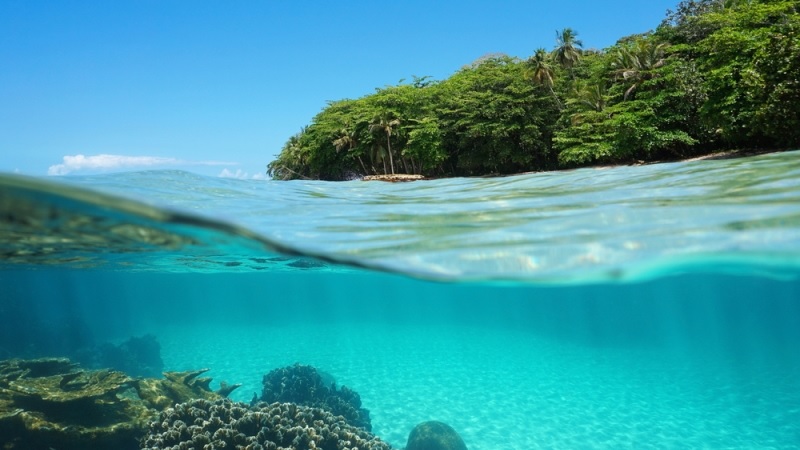
Understanding drives protection. On World Oceans Day, a new e-book makes the case for a shared data ecosystem, one that unites researchers, government agencies, students, and technology around a single goal: deeper ocean intelligence. This is not about isolated studies; it is about an integrated data ecosystem where calibrated, real-time observations become climate indicators we can act on. For those tracking the human and environmental pressures reshaping marine science, this collaborative framework is a practical step forward.
Calibrating ocean intelligence to navigate a warming world
Calibrating ocean intelligence requires more than collecting data, it demands integration. Our warming world is outpacing fragmented observation systems. Validated, real-time measurements from orbit to ocean floor must become an integrated data ecosystem, not isolated snapshots. This is measurable, empirical work. Understanding drives protection. For deeper coverage, explore our related piece, "From orbit to ocean floor: integrated data reshapes our view of the sea," which examines how this unified approach is transforming marine science.
Saildrone delivers first-ever hurricane interior video from the ocean surface
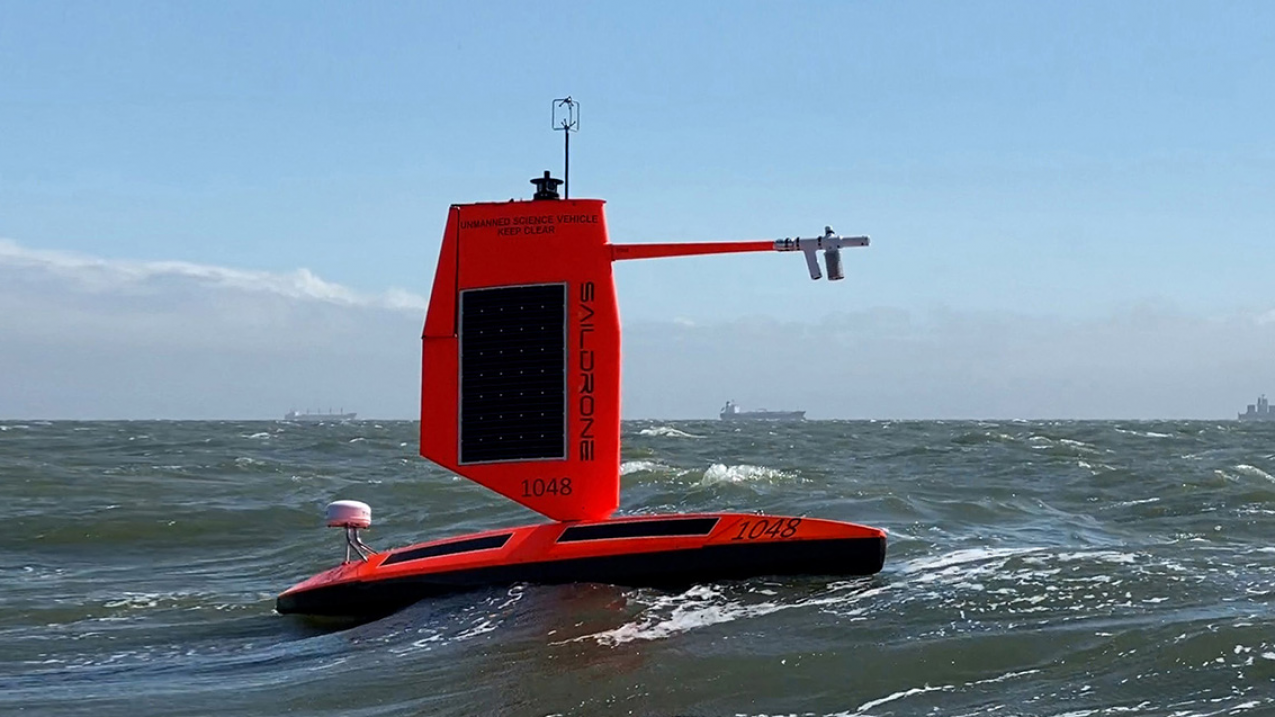
For the first time, a Saildrone has captured video from inside a hurricane at the ocean surface, offering a new window into the forces that drive these storms. This is not abstract data; it is direct, empirical observation from a place we have never seen. Understanding drives protection, and this ocean intelligence is a measurable leap forward. For deeper context on the conditions fueling such storms, see our coverage of August's record-breaking ocean heat readings.
Cruise fleet expands its role as a calibrated platform for ocean intelligence
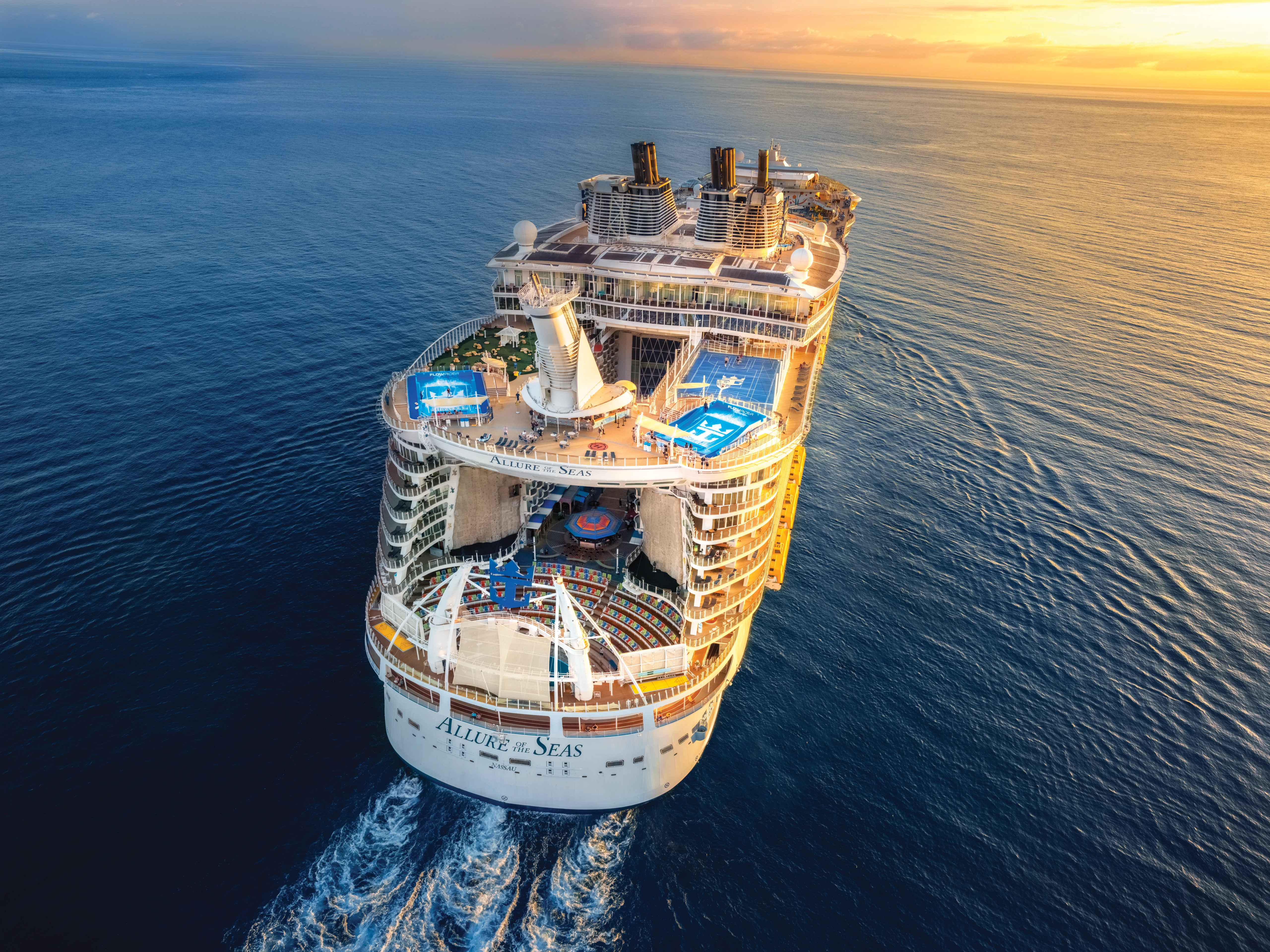
Royal Caribbean Group's cruise fleet is now a calibrated platform for ocean intelligence, extending its collaboration to capture critical conservation data onboard its ships. This is empirical science at scale, measurable, real-time data collected where the ocean meets industry. Understanding drives protection, and this partnership delivers validated climate indicators from orbit to ocean floor. For deeper context, our coverage of the newly appointed global experts calibrating the Ocean Decade's path for integrated data stewardship complements this story well.
Calibrating our ocean intelligence for a sustainable data ecosystem
Every ocean dataset carries a hidden cost: the energy, materials, and infrastructure required to collect, store, and process it. Unchecked data growth risks undermining the very sustainability we seek to measure. Calibrating our ocean intelligence means building an integrated data ecosystem where every byte is validated, measurable, and purpose-driven. We must treat data stewardship as seriously as ocean stewardship. For deeper context, our coverage of "From orbit to ocean floor" examines how integrated observations strengthen Earth system predictions without expanding our footprint.

Small ocean drone returns validated data from inside Category 5 hurricane
A small ocean drone has returned validated data from inside a Category 5 hurricane, a world first for NOAA/AOML. This is empirical ocean intelligence at its most daring. Measuring what was previously unmeasurable, the drone's real-time readings from the storm's core will sharpen our climate indicators and refine the models that guide marine stewardship. For deeper context on how such data tracks progress, see our related analysis, "Ocean intelligence measures our progress toward sustainable marine stewardship."

Integrated Ocean Intelligence: EU’s OceanEye Initiative Advances Real-Time Data.
The EU's OceanEye initiative is turning real-time ocean observation into a shared, measurable asset. By integrating data from orbit to sea floor, it gives researchers and policymakers a clearer, peer-reviewed picture of climate indicators as they shift. That kind of empirical clarity is what effective stewardship demands. For context on how marine data travels, our coverage of integrated subsea cables across the Indian Ocean pairs well with this story. Ocean intelligence works best when the whole system is connected.
Data-Driven Ocean Biodiversity: A Path to Sustainable Stewardship.
Biodiversity data is the backbone of any meaningful effort to sustain ocean nature, yet it remains unevenly collected across the globe. Prioritizing that data is not a technical footnote; it is the foundation for measurable stewardship. We cannot manage what we cannot see. This piece examines how targeted collection efforts build the integrated data ecosystem needed for lasting impact. For broader context on how ocean data flows connect regions, our related coverage on integrated subsea cables offers a useful perspective.
Real-Time Data from The Ocean Race Illuminates Gulf Stream Changes
The Gulf Stream is slowing, and now the sailors racing through it are helping to measure exactly how. Competitors in The Ocean Race Atlantic will collect climate data from these weakening currents, turning a grueling contest into a live oceanographic survey. This is the kind of integrated, real-time observation we need most. It is empirical, immediate, and driven by people already at the mercy of the sea.

Empowering Indian Fishers: Citizen Science Fuels Data-Driven Marine Forecasts
A 20-fold increase in data submissions between the first two years of the FISH App's deployment signals more than just growing adoption; it marks a practical step toward species-specific fishery forecasts. INCOIS has built a tool that turns satellite-derived advisories into actionable, high-frequency catch data, and the nearly one thousand installations show fishers are ready to participate. This is citizen science applied with rigor.
Tracking Plastic's Reach: Ocean Intelligence from Remote Waters.
Plastic debris doesn't stay where we drop it. New tracking from remote waters shows how far it travels, and the data is telling a clearer story than ever before. This kind of ocean intelligence turns scattered observations into something measurable, something we can act on. It's a reminder that the problem isn't out of sight, just out of sightlines. For readers drawn to the unseen, our piece on unidentified marine life offers a complementary glimpse into what else moves beneath the surface.

Exploring the Cook Islands Depths: A 2026 ROV Expedition.
In 2026, a new ROV expedition will descend into the waters surrounding the Cook Islands, aiming to transform our understanding of a region whose depths remain largely unmeasured. This is not a hunt for spectacle; it is a methodical effort to gather empirical data where none currently exists. The mission's value will be defined by its calibrated instruments and the peer-reviewed findings they produce.
Mapping the Deep: Cook Islands ROV Exploration Set for 2026
In 2026, the Cook Islands will bring its seabed into sharper focus through a dedicated ROV exploration campaign. This is the kind of methodical, on-the-ground ocean intelligence we need more of, moving from satellite-level observation to direct, calibrated observation of the deep. It is a precise step for mapping what remains unseen. For a broader look at how these efforts connect, our piece on mapping American Samoa's seabed offers a useful regional comparison. Understanding drives protection, and this work is a clear example.