cruise missiles
World Data Ocean keeps cruise missiles in one place: 12 stories so far. The section currently leads with “Rising Russian Submarine Activity Demands Enhanced NATO Ocean Intelligence.”, “Sweden Bolsters Naval Capabilities with Acquisition of Four Advanced Frigates”, and “Targeted Strikes Disrupt Ukrainian Grain and Energy Infrastructure.”. A former NATO Commander has flagged the expansion of Russian submarine capabilities as a direct challenge to Atlantic security. Sweden's decision to acquire four advanced frigates marks a measured step toward a stronger naval presence, with the first delivery slated for 2030. A Global Hub for Ocean Intelligence 4 World Data Ocean is a centralized digital platform where researchers, scientists, and ocean enthusiasts converge to… The list below is every cruise missiles story on World Data Ocean, newest first.
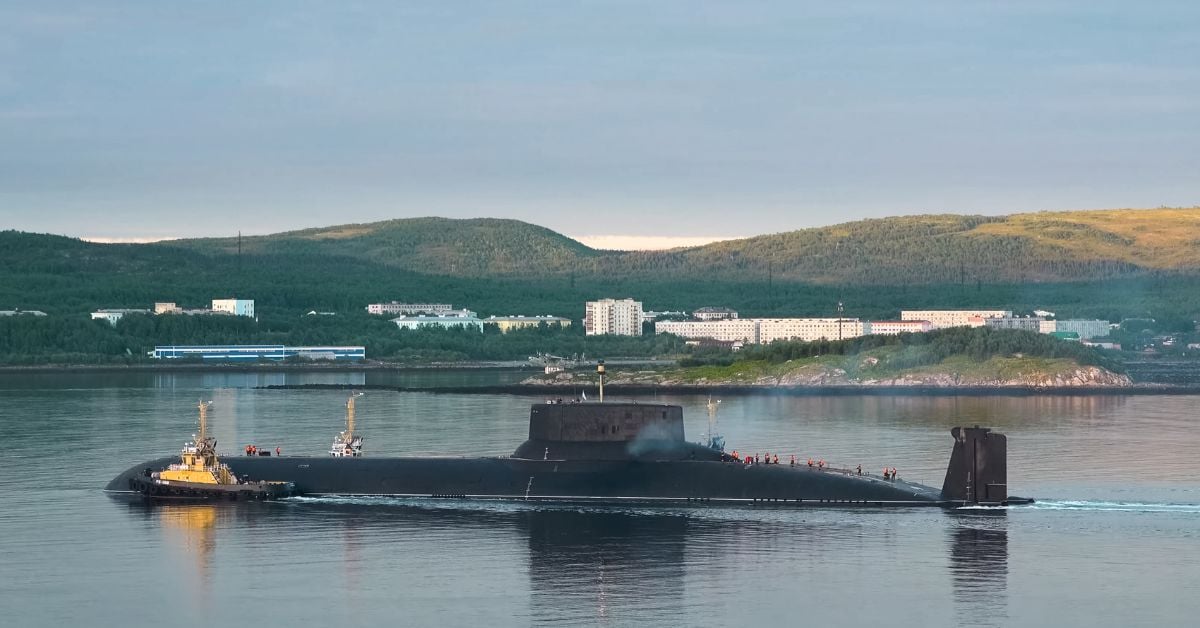
Rising Russian Submarine Activity Demands Enhanced NATO Ocean Intelligence.
A former NATO Commander has flagged the expansion of Russian submarine capabilities as a direct challenge to Atlantic security. This is not a distant concern, it is a measurable shift in naval defence infrastructure demanding calibrated response. Enhanced ocean intelligence, integrating real-time data from seabed to surface, becomes essential. For context, our coverage of the Vostok Project's Arctic oil exports shows how Russia's maritime ambitions extend beyond military posture, linking economic and strategic pressures in the same integrated data ecosystem.
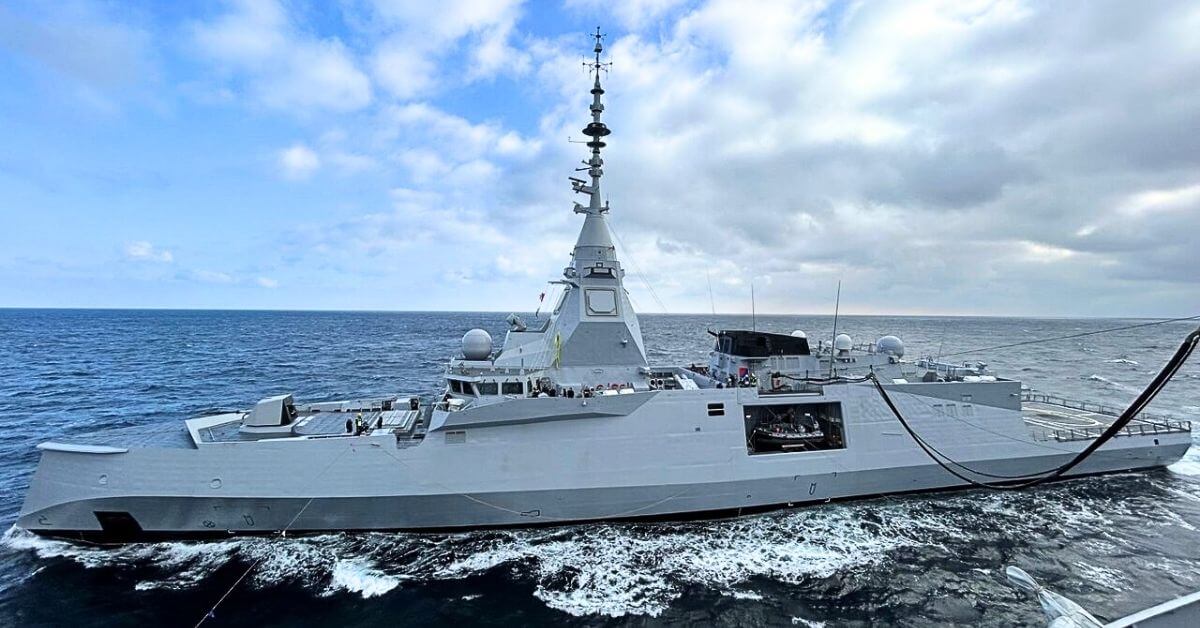
Sweden Bolsters Naval Capabilities with Acquisition of Four Advanced Frigates
Sweden's decision to acquire four advanced frigates marks a measured step toward a stronger naval presence, with the first delivery slated for 2030. These vessels will become the largest in the Swedish fleet, a practical response to shifting maritime realities. The investment signals patience and precision, not panic. For readers tracking parallel developments in naval strategy, our coverage of Russia's Northern Sea Route icebreaker plans offers useful context. Sweden is building capacity deliberately, and that intent is worth watching.
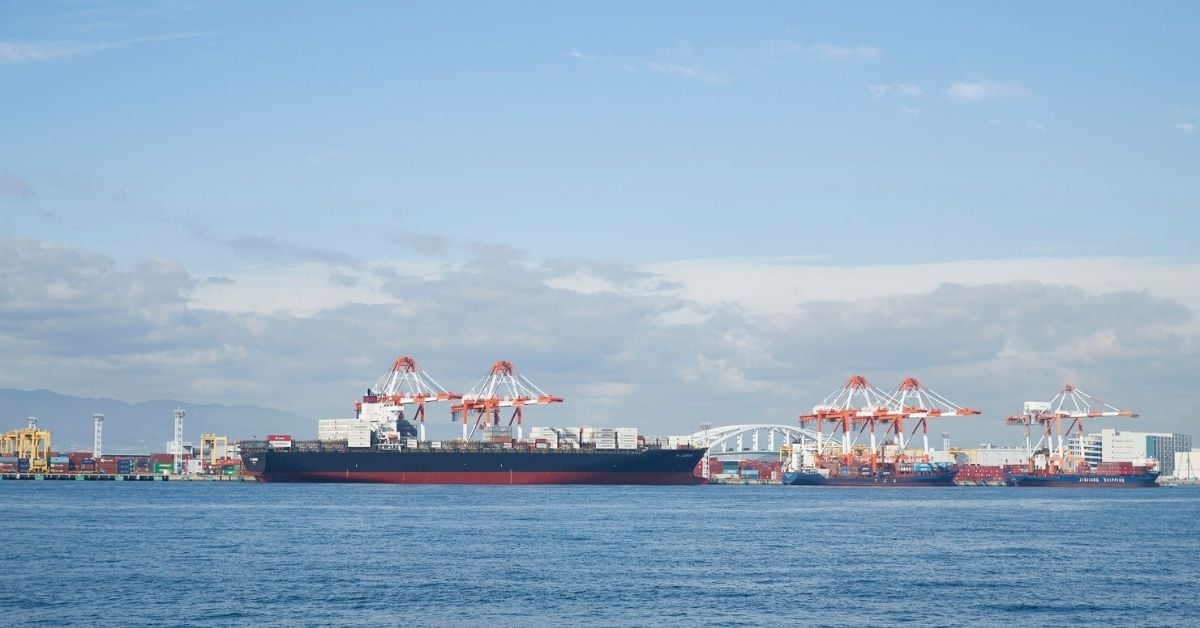
Targeted Strikes Disrupt Ukrainian Grain and Energy Infrastructure.
Russia's latest assault on Ukrainian ports, grain silos, and energy hubs is a deliberate escalation against both civilian resilience and global food security. These coordinated strikes are not collateral damage; they are the target. We should read this as a calculated attempt to degrade infrastructure that sustains both Ukraine's economy and its people's daily lives. The pattern is measurable, and the intent is clear.

Integrated Radar Demonstrates Enhanced Maritime Defense Capabilities in Pacific Dragon
The AN/SPY-6 radar has proven its mettle, completing operational tests alongside allied warships during the Pacific Dragon 2026 exercise. This isn't just another system check; it's a calibrated step forward in integrated maritime defense. The data validates that coordinated, real-time ocean intelligence is within reach. We see this as a practical demonstration of how allied forces can operate as a single, cohesive unit.

Shipping Corridor Established: U.S. Facilitates Oil Flow Through Hormuz
The U.S. military has quietly established a shipping corridor through the Strait of Hormuz, moving millions of barrels of oil daily. It is a measured, logistical response to a volatile region, and one that carries real strategic weight. The move underscores the practical realities of maintaining energy flow when diplomatic channels remain fragile. For context on how pressure is building nearby, our related piece, "Gulf of Oman STS Transfers Max Out Amid Rising Saudi Oil Exports," offers a clearer picture of the strain.

Damaged Freighter Sinks Near Odesa, Raising Shipping Risks in Black Sea
The sinking of the Golden Leo off Odesa marks a stark escalation in an already volatile Black Sea. A Turkish-operated, Guinea-Bissau-flagged vessel carrying corn, it went down after sustaining heavy damage in the July 19 attack. This is not an isolated incident; it is a calculated pressure point in a broader conflict. The loss of a grain carrier underscores how commercial shipping remains a target.

Measured Response: U.S. Calibrates Asset Use for Strait of Hormuz Ship Damages
Sanctions have frozen billions in Iranian assets, with estimates ranging from $24 billion to $100 billion, yet the precise figure remains deliberately imprecise. That ambiguity matters now, as Washington calibrates its use of these holdings to address ship damages near the Strait of Hormuz. The move is measured, not reactionary, and that restraint reflects sound strategy. For readers tracking regional maritime pressure, our related coverage on Gulf of Oman STS transfers maxing out offers useful context.

Red Sea Shipping Disrupted: Houthis Report Missile Strike on Oil Tankers
The Houthis report a missile strike on oil tankers in the Red Sea, adding another layer of disruption to a waterway already strained by conflict. Targeting commercial shipping during the Gaza war, these actions extend beyond drones and hijackings into a broader pattern of risk. The threat is measurable, but so is the response. For context on how tanker traffic is adapting elsewhere, our coverage of Gulf of Oman STS Transfers Max Out Amid Rising Saudi Oil Exports offers a useful counterpoint.

Iran Reports Strikes Targeting U.S. Naval Assets in Kuwait and Indian Ocean
Iran's Islamic Revolutionary Guard Corps reports strikes targeting U.S. naval assets in Kuwait and the northern Indian Ocean, including shore-to-sea cruise missiles fired at a U.S. vessel. The claim signals a measurable escalation in regional maritime tension, one that demands calibrated attention from allied forces. While the full picture remains unverified, the strategic implication is clear: ocean intelligence is no longer just environmental. For broader context on maritime security shifts, see our coverage of Puntland Forces Intercept Hijacked, US-Sanctioned Oil Tanker After 48 Hours.

Data-Driven Naval Operations: AI Strategy for Maritime Intelligence and Security
The U.S. Navy is building an AI-enabled force to sharpen decision-making and secure maritime superiority. This strategy treats data as a tactical asset, not an abstract concept. It is a measured, empirical approach to naval power, one that prioritizes precision over guesswork. The goal is clear: integrate validated intelligence directly into operations. For deeper context on how this fits with broader efforts, our related coverage of the Navy's new autonomous systems center underscores the same commitment to calibrated, integrated capability.

Regional Tensions Rise as Iran and UAE Trade Accusations of Attacks
Iran's response to the UAE's accusation arrived within hours, a pointed rebuttal to claims that Tehran launched cruise missiles at two national tankers. The exchange sharpens a familiar volatility, and the speed of the denial suggests more than diplomatic reflex. It signals how fragile maritime trust has become. For those tracking the region's pressure points, this is not an isolated flare-up. Our related coverage on Gulf of Oman STS transfers maxing out shows the commercial stakes already running high.

Strait of Hormuz Incident: Geopolitical Tensions Impact Maritime Trade
The Strait of Hormuz is a chokepoint, and the strikes on the Mombasa and Al Bahiyah prove how quickly that geography translates into real-world consequence. Two Iranian cruise missiles targeting commercial tankers is not a background noise issue; it is a direct fiscal and physical threat to the lanes that move global energy. The incident demands a measured response, not alarm.