Container Ports
Container Ports at World Data Ocean is a file of 2 stories. The newest of them: “Disruptions Shrink Jebel Ali Port Ranking, Gulf Trade Impacted.” and “Asian Port Congestion Impacts Global Vessel Reliability.”. Jebel Ali's first-half throughput fell to 3.14 million TEU, a near 60 percent drop from 7.77 million a year earlier. In July, congestion across Asia's 14 busiest ports drove a measurable decline in global vessel reliability. A Global Hub for Ocean Intelligence 4 World Data Ocean is a centralized digital platform where researchers, scientists, and ocean enthusiasts converge to… The list below is every Container Ports story on World Data Ocean, newest first.
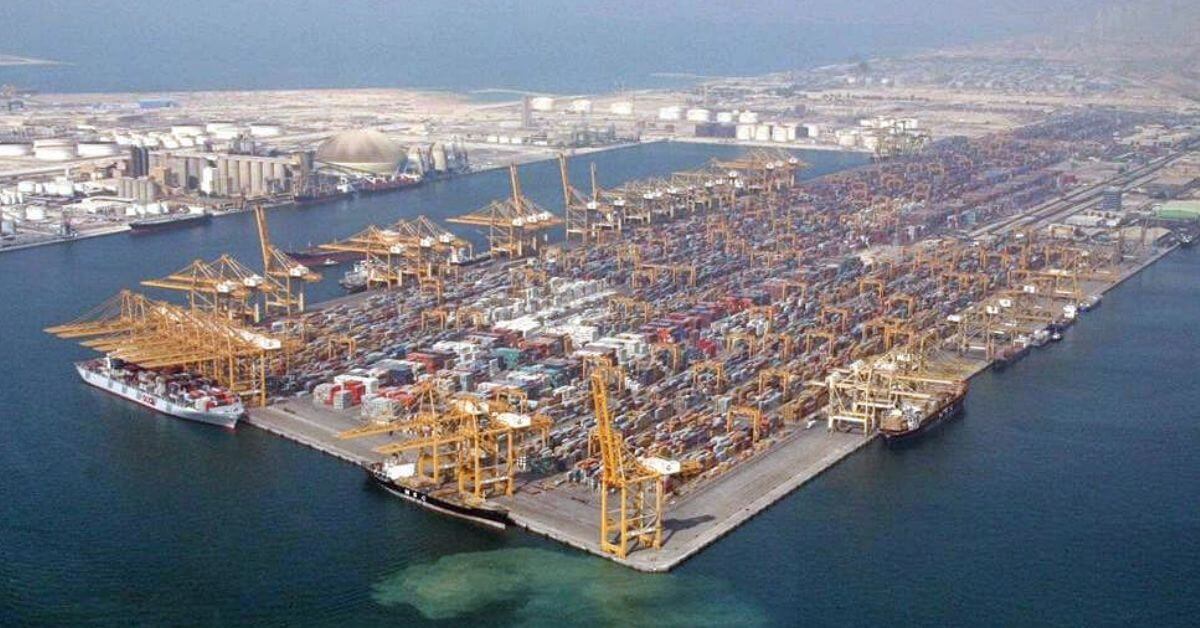
Disruptions Shrink Jebel Ali Port Ranking, Gulf Trade Impacted.
Jebel Ali's first-half throughput fell to 3.14 million TEU, a near 60 percent drop from 7.77 million a year earlier. That is not a small correction; it is a structural signal. Disruptions are reshaping Gulf trade hierarchies, and the port's diminished ranking carries weight far beyond its own berths. The pressure is compounded by regional chokepoints, and our coverage of Strait of Hormuz negotiations shows how fragile these lanes remain. Understanding these shifts is essential, because trade flows do not pause for uncertainty.
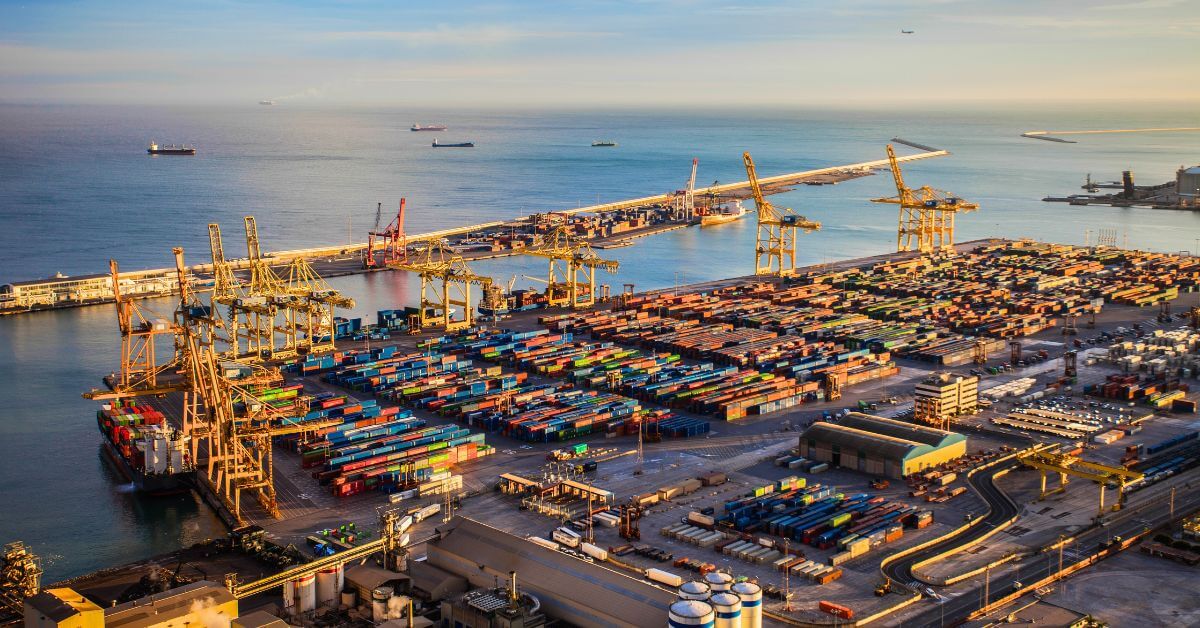
Asian Port Congestion Impacts Global Vessel Reliability.
In July, congestion across Asia's 14 busiest ports drove a measurable decline in global vessel reliability. This is not an abstract metric; it is a concrete signal of how tightly interwoven our logistics and ocean health truly are. When ports stall, the ripple effects are immediate and empirical. We track these shifts because they reveal systemic pressures. For context on maritime resilience, our coverage of the *Integrated Response Saves 25 Seafarers* highlights how crews navigate such volatile conditions.