consortium
World Data Ocean keeps consortium in one place: 3 stories so far. The section currently leads with “Hanwha Ocean Withdraws from 800 MW Offshore Wind Consortium as Costs Escalate”, “Floating data centers anchor ocean intelligence to existing port infrastructure”, and “Disagreement Over Hormuz Strait Impacts Vital Shipping Route Accessibility.”. A cost escalation to KRW 6 trillion has pushed Hanwha Ocean to exit the 800 MW offshore wind consortium off Buan. NYK and three partners have designed a port-based floating data center that anchors ocean intelligence directly to existing infrastructure. A Global Hub for Ocean Intelligence 4 World Data Ocean is a centralized digital platform where researchers, scientists, and ocean enthusiasts converge to… The list below is every consortium story on World Data Ocean, newest first.
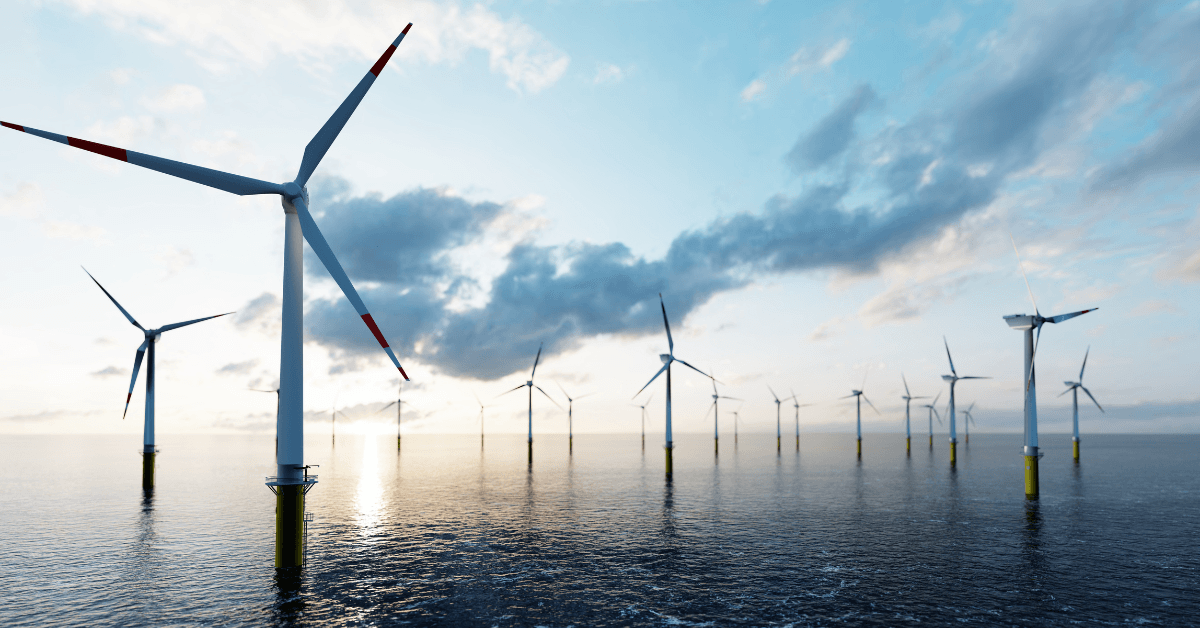
Hanwha Ocean Withdraws from 800 MW Offshore Wind Consortium as Costs Escalate
A cost escalation to KRW 6 trillion has pushed Hanwha Ocean to exit the 800 MW offshore wind consortium off Buan. Withdrawing from the KHNP-led project signals how financial pressures are reshaping major renewable energy commitments. The move underscores a familiar tension: ambitious climate targets colliding with real-world economics. For deeper context on how industry is navigating offshore energy transitions, see our coverage of Petronas' world-first nearshore floating LNG facility, PFLNG TIGA, calibrated for 2027 start-up.
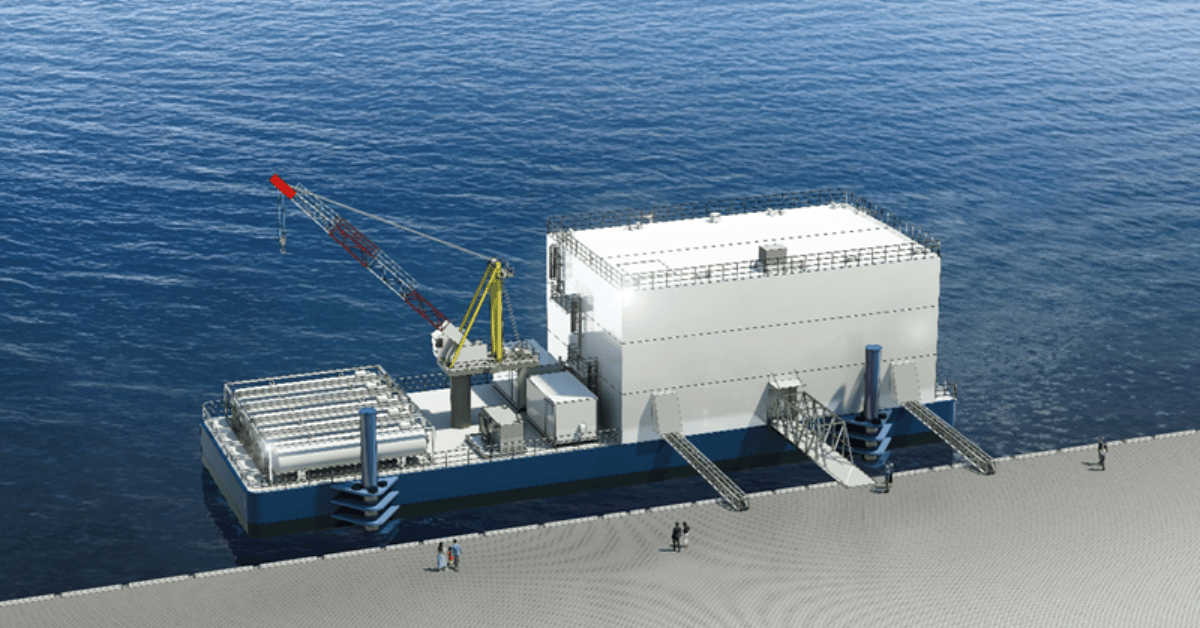
Floating data centers anchor ocean intelligence to existing port infrastructure
NYK and three partners have designed a port-based floating data center that anchors ocean intelligence directly to existing infrastructure. By integrating real-time computing capacity where ships already dock, this concept transforms coastal ports into nodes of an integrated data ecosystem. The approach is practical, measurable, and avoids the hype of unproven offshore installations. For readers tracking parallel innovation in marine energy, our coverage of Belgium's First Artificial Energy Island offers a complementary look at how infrastructure is being recalibrated for a changing climate.

Disagreement Over Hormuz Strait Impacts Vital Shipping Route Accessibility.
The latest disagreement over the Strait of Hormuz marks a direct setback to reopening one of the world's most vital energy arteries after months of conflict. Progress was never guaranteed, but this stalling carries measurable weight for global shipping and climate-dependent supply chains. The path forward demands calibrated negotiation, not posturing. For context on how regional pressures are already reshaping oil flows, our related coverage on Gulf of Oman STS transfers maxing out offers a clearer picture of the strain.