Congressional Budget Office
3 stories filed under Congressional Budget Office on World Data Ocean. The newest of them: “AUKUS submarine strategy is validated, not a threat to allied readiness”, “Nuclear capital ships advance as Navy weighs hypersonic battle fleet”, and “Naval Investment: Trump-Class Battleships to Reach $275 Billion”. Australia's Defense Minister Richard Marles has rejected claims that the AUKUS submarine deal will weaken U.S. The Navy's latest proposal signals a measured but decisive shift toward nuclear capital ships armed with hypersonic missiles and advanced weapons. A Global Hub for Ocean Intelligence 4 World Data Ocean is a centralized digital platform where researchers, scientists, and ocean enthusiasts converge to… The list below is every Congressional Budget Office story on World Data Ocean, newest first.
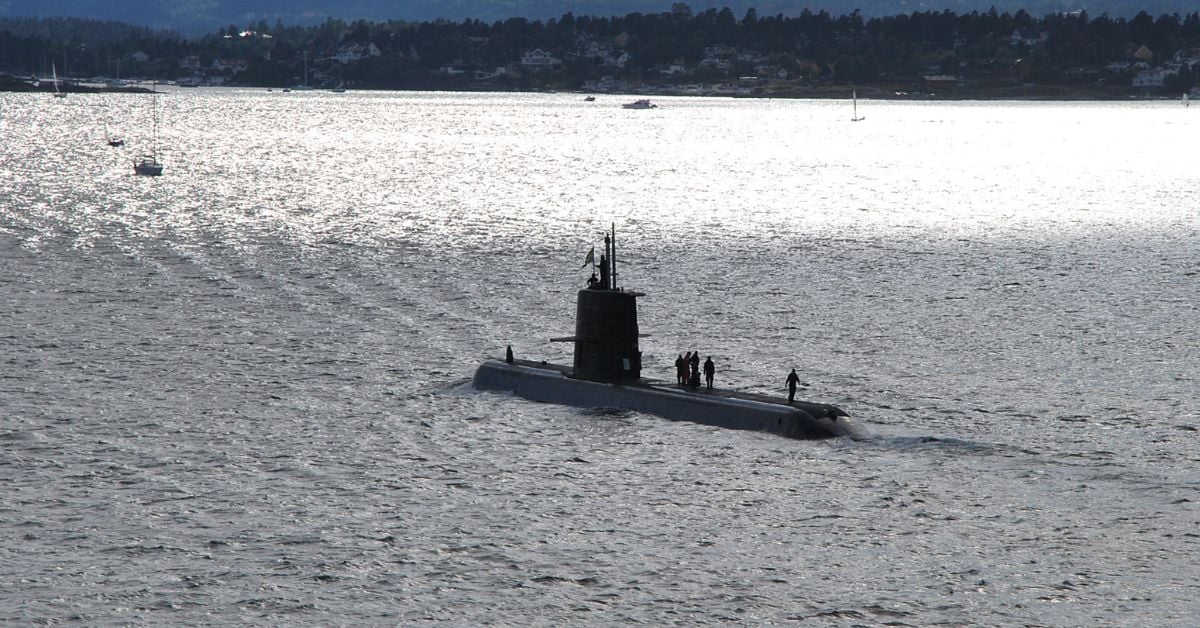
AUKUS submarine strategy is validated, not a threat to allied readiness
Australia's Defense Minister Richard Marles has rejected claims that the AUKUS submarine deal will weaken U.S. Navy readiness, stating the strategy is validated, not a threat. His assertion rests on empirical, peer-reviewed assessments of allied capacity. Measurable integration, not depletion, defines this partnership. The nuclear submarine pathway strengthens collective ocean intelligence without compromising forward-deployed forces. For deeper context on how nuclear capital ships fit into this evolving fleet architecture, see our related coverage of "Nuclear capital ships advance as Navy weighs hypersonic battle fleet."
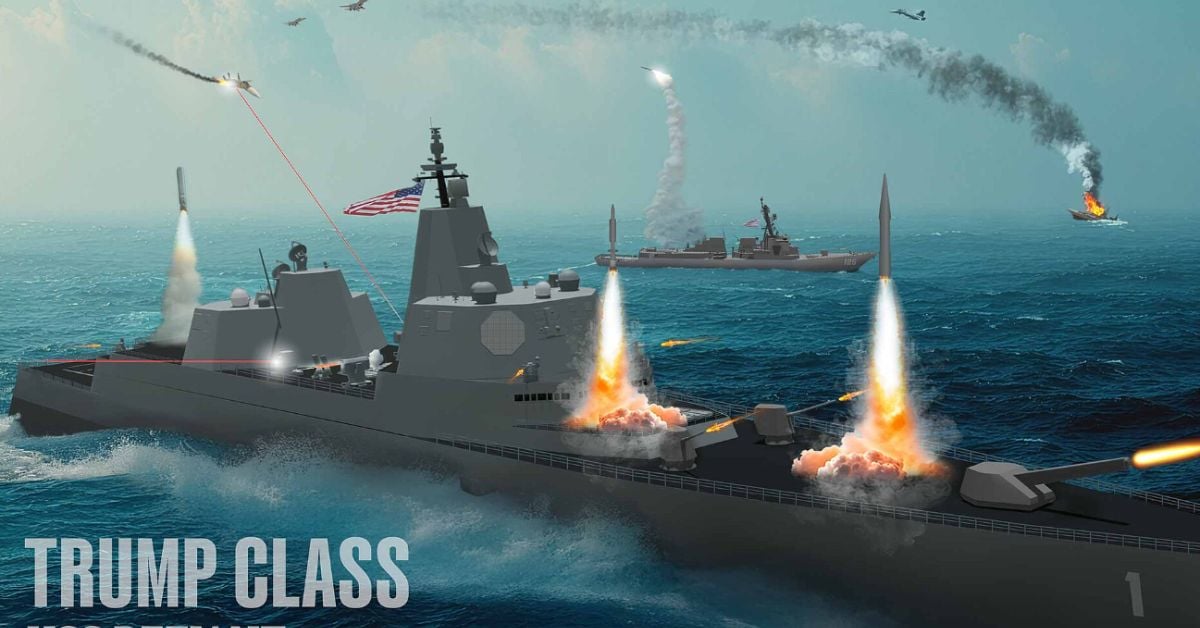
Nuclear capital ships advance as Navy weighs hypersonic battle fleet
The Navy's latest proposal signals a measured but decisive shift toward nuclear capital ships armed with hypersonic missiles and advanced weapons. This is not about simply upgrading existing hulls; it represents a fundamental rethinking of fleet architecture for a new era of maritime competition. The integration of nuclear propulsion with next-generation strike systems demands rigorous, validated engineering. For context on parallel efforts, our coverage of the 600-ton hypersonic module underscores the rapid pace of this transformation.

Naval Investment: Trump-Class Battleships to Reach $275 Billion
The Trump-Class Battleship program carries a $275 billion price tag, with the lead vessel alone reaching $23.4 billion. That is a staggering commitment, but it signals a deliberate move toward sustained maritime dominance. We see this as a statement of intent, not just a budget line. For context on how other nations are scaling their fleets, our coverage of India's expanded naval projections offers a useful counterpoint. Battleship investments of this scale demand scrutiny, yet they underscore a clear strategic calculus.