Columbia class
World Data Ocean keeps Columbia class in one place: 5 stories so far. The section currently leads with “Cleveland submarine repair hub advances fleet readiness through integrated infrastructure”, “Submarine Maintenance Backlog: $3.4 Billion Cost and Operational Impacts”, and “Expanding Naval Capacity: $71.6 Billion Investment in Submarine Fleet”. Cleveland's submarine repair hub integrates infrastructure to directly confront a pressing bottleneck: delayed maintenance and repairs across the fleet. Fifteen submarines could sit idle for nearly 14,000 days combined between 2026 and 2030, a $3.4 billion backlog that signals a system straining under its own weight. A Global Hub for Ocean Intelligence 4 World Data Ocean is a centralized digital platform where researchers, scientists, and ocean enthusiasts converge to… The list below is every Columbia class story on World Data Ocean, newest first.
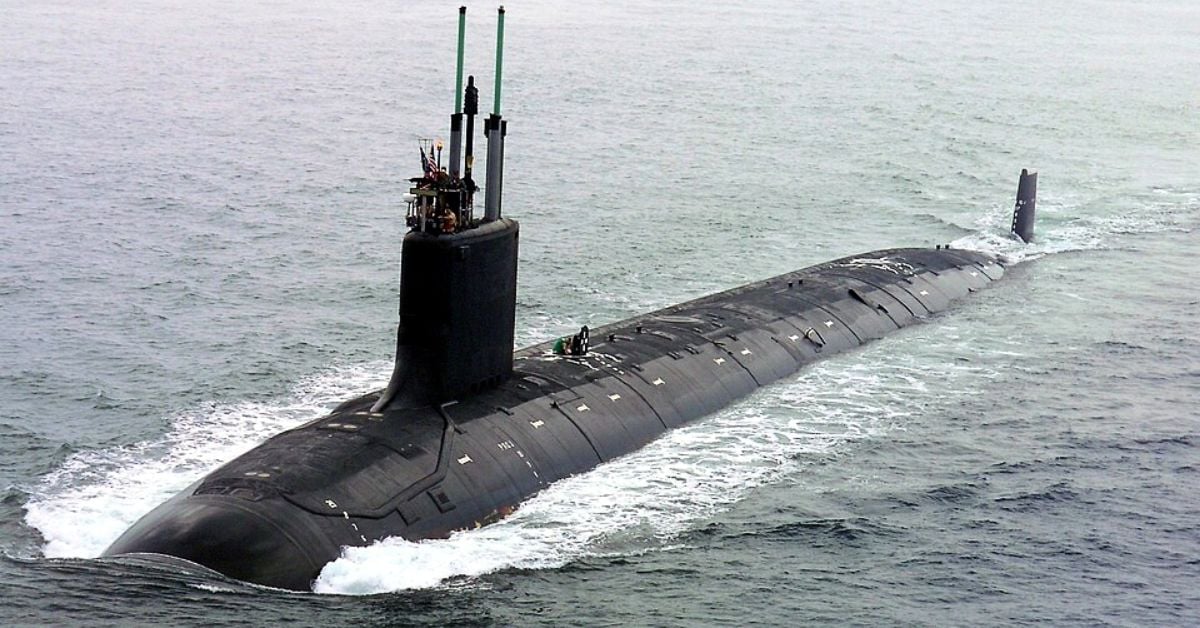
Cleveland submarine repair hub advances fleet readiness through integrated infrastructure
Cleveland's submarine repair hub integrates infrastructure to directly confront a pressing bottleneck: delayed maintenance and repairs across the fleet. By increasing component availability, the centre moves beyond piecemeal fixes toward a coordinated system. This is measurable progress. It echoes the logic behind "Floating data centers anchor ocean intelligence to existing port infrastructure", both projects prove that integrated, existing assets, properly calibrated, can drive real operational readiness.
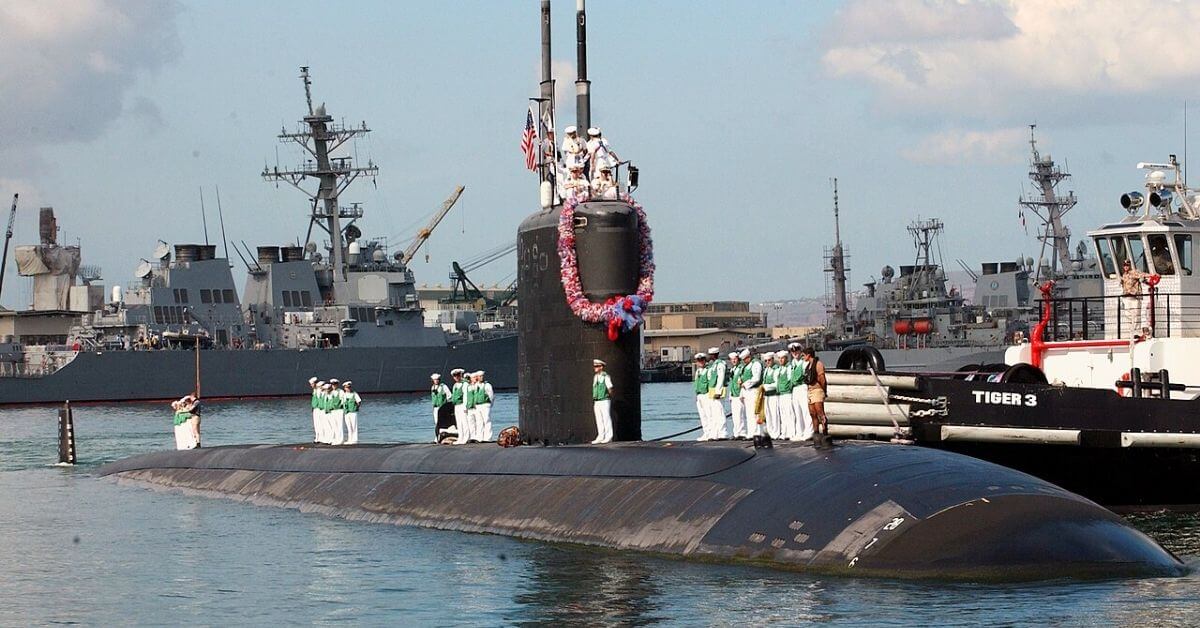
Submarine Maintenance Backlog: $3.4 Billion Cost and Operational Impacts
Fifteen submarines could sit idle for nearly 14,000 days combined between 2026 and 2030, a $3.4 billion backlog that signals a system straining under its own weight. The GAO's estimate is not abstract; it is lost operational capacity with real consequences for maritime readiness. We track these pressures closely, just as we do the Gulf of Oman STS Transfers Max Out Amid Rising Saudi Oil Exports, where infrastructure limits are equally visible.

Expanding Naval Capacity: $71.6 Billion Investment in Submarine Fleet
A $71.6 billion investment in the U.S. submarine fleet signals a decisive commitment to naval readiness. Electric Boat, General Dynamics' nuclear submarine unit, anchors this effort through design, construction, and modernization. This scale of funding reflects measured confidence in long-term maritime strategy. For context on how allied and competing navies are expanding, our coverage of China's new nuclear carrier highlights parallel developments in extended operations. Together, these stories underscore a shifting global balance beneath the waves, where capability and endurance define influence.

Nuclear Propulsion Powers Next-Generation U.S. Battleship Program
Nuclear propulsion is set to power the U.S. Navy's next-generation Trump-class battleship, a decision that pairs long-range endurance with strategic staying power. This is not just a propulsion choice; it is a statement about sustained presence. For readers tracking parallel developments, China's new nuclear carrier signals similar ambitions, but the U.S. program grounds its advantage in validated, peer-reviewed operational planning. We see this as a calibrated step forward: nuclear energy offers real-time readiness without the logistical drag of refueling.

Real-Time Battery Data Bolsters Navy Submarine Readiness and Safety
Battery monitoring systems from L3Harris will now support the U.S. Navy's submarine fleet under a new contract with General Dynamics Electric Boat. This is the kind of practical, data-driven upgrade that quietly strengthens readiness where it matters most. Real-time battery data means safer operations and fewer unknowns beneath the surface. For those tracking broader naval shifts, our piece on China's New Nuclear Carrier Signals Extended Naval Operations Capability offers useful context on how undersea and surface power are evolving in parallel.