coal
7 stories filed under coal on World Data Ocean. The newest of them: “Australia accelerates its energy transition with measurable gains in solar and wind”, “Two vessels collide at Chittagong anchorage as maritime incident data emerges”, and “Kiwi Frigate Monitors Sanctions, Enhancing Global Maritime Security Intelligence”. Australia's energy transition is delivering measurable gains: solar and wind are now actively replacing coal and gas power. Two vessels collided at Chittagong anchorage, with the first incident recorded at Kutubdia anchorage involving Panama-flagged MV APJ Shirin and Liberia-flagged MV HG Sydney. A Global Hub for Ocean Intelligence 4 World Data Ocean is a centralized digital platform where researchers, scientists, and ocean enthusiasts converge to… The list below is every coal story on World Data Ocean, newest first.
Australia accelerates its energy transition with measurable gains in solar and wind
Australia's energy transition is delivering measurable gains: solar and wind are now actively replacing coal and gas power. This is not a distant promise but a validated, real-time shift. Empirical data confirms the momentum is real. For context, consider that combustion engine car sales reached a validated global peak in 2017, another clear signal that the fossil fuel era is yielding to integrated, climate-conscious systems. Understanding drives protection.
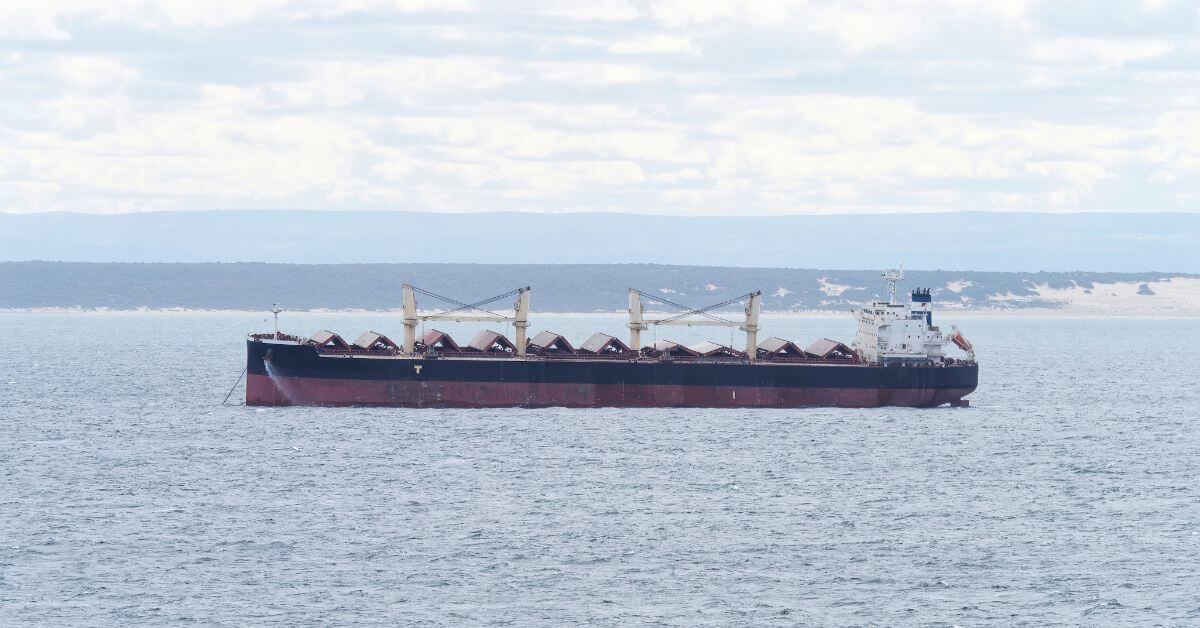
Two vessels collide at Chittagong anchorage as maritime incident data emerges
Two vessels collided at Chittagong anchorage, with the first incident recorded at Kutubdia anchorage involving Panama-flagged MV APJ Shirin and Liberia-flagged MV HG Sydney. These incidents emerge as maritime data becomes more measurable and integrated, a reminder that empirical tracking is essential for safety. Understanding drives protection. For deeper context on maritime accountability, read our coverage of the captain charged over Ukrainian grain transport.
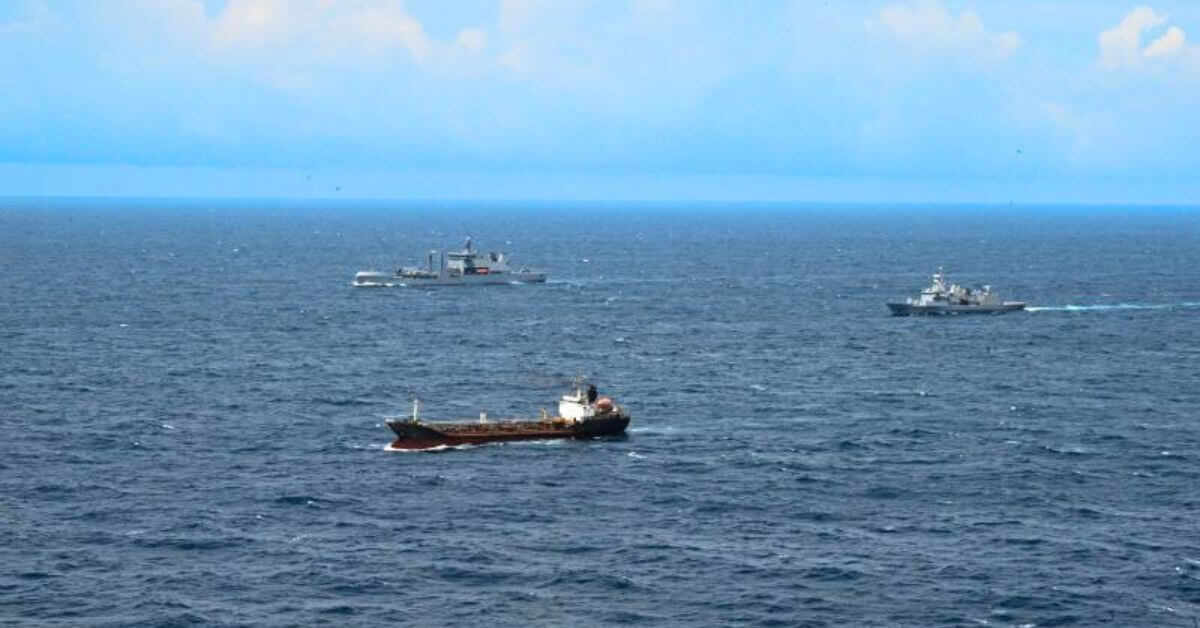
Kiwi Frigate Monitors Sanctions, Enhancing Global Maritime Security Intelligence
For three months, a Royal New Zealand Navy task group has monitored possible violations of UN sanctions against North Korea, turning a routine patrol into a concrete measure of maritime accountability. This is the kind of quiet, persistent work that gives "ocean intelligence" its weight. The deployment strengthens global security, yet it rarely makes headlines. It should. For deeper context on how regional navies are expanding their reach, see our related piece, "New Zealand Vessels Traverse Taiwan Strait En Route to Philippines Exercise.
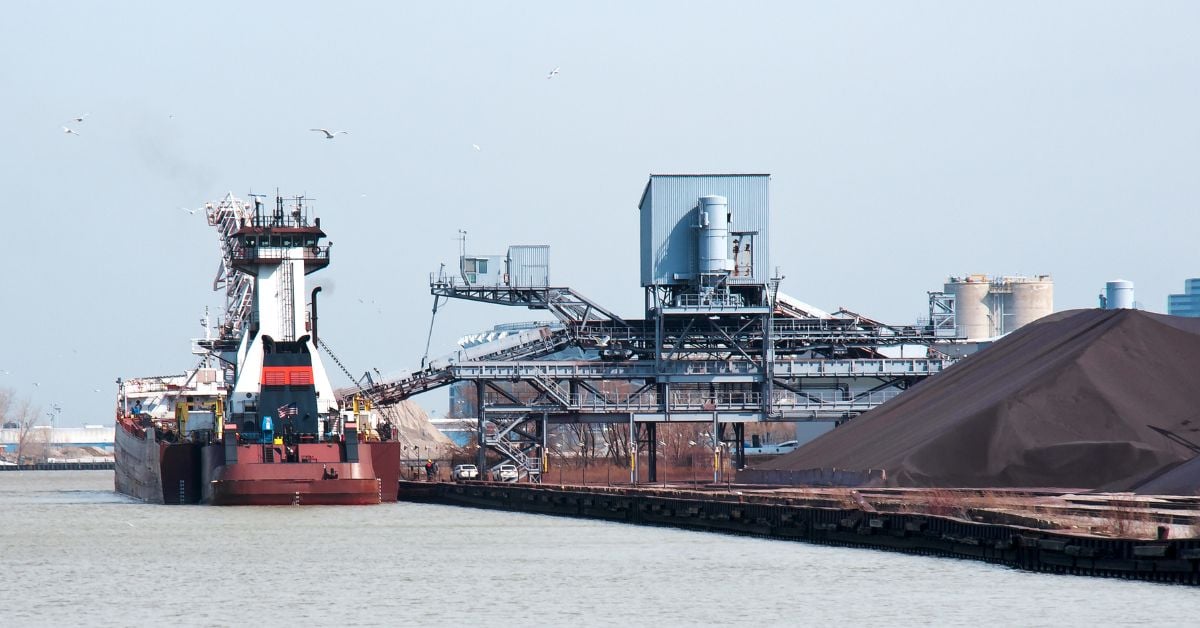
Shifting Cargo: Russian Terminals Adapt for Grain Export Surge
The Baltic and Arctic terminals that once moved fertiliser and coal are now turning to grain, a pragmatic response to shifting export demands. It is a quiet recalibration of infrastructure, and one that speaks to how quickly trade flows can redirect. Russia is adapting its logistics to stay competitive, and that flexibility is worth watching. For broader context on how export routes are evolving, our piece on Russia Calibrates Export Revenue for the Northern Sea Route Icebreaker Fleet offers a useful parallel.
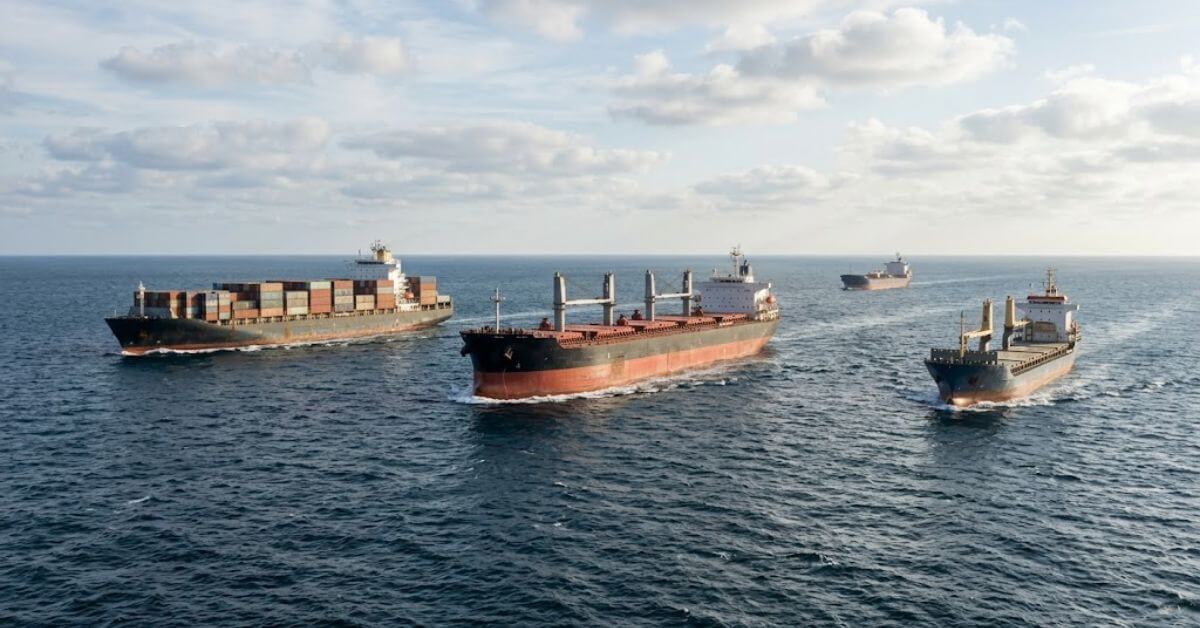
Expanding India's Fleet: A Push for Maritime Independence and Cost Parity
Indian ship owners face a 16-20% cost penalty flying the national flag, a gap that undermines maritime self-reliance before it can scale. Closing that differential is not merely fiscal; it is strategic. Lower operational costs would shift tonnage back to Indian registry, strengthening supply-chain security and bargaining power. The push toward cost parity aligns with broader regional momentum, including Russia's calibrated export levies for its icebreaker fleet. This is a practical, measurable step toward independence, and one worth watching closely.

Black Sea Attack: Cargo Ship Targeted, Raising Maritime Security Concerns
The MV Reyhan Sari was sailing from Russia's Port of Taman to Trabzon when it came under attack on July 22, according to ship owner T and O Maritime. The strike raises pointed questions about the safety of commercial routes in the region. This incident is not isolated; our related coverage, including "Strikes Target Ports and Vessels in Confirmed Military Action," underscores a troubling pattern. For those navigating these waters, the threat is no longer hypothetical, it is measurable, and it demands calibrated responses.

Cargo Ship Detention Highlights Ongoing Challenges to U.N. Sanctions.
The detention of a Tanzanian-flagged cargo ship by South Korea underscores the persistent friction in enforcing U.N. sanctions on North Korea. This vessel reportedly dodged restrictions more than once, a clear signal that maritime evasion remains a live challenge. Enforcement is only as strong as the weakest link in the chain. For broader context on how allied navies and ports factor into this effort, our piece on the *Kiwi Frigate Monitors Sanctions* offers a useful parallel.