climate
34 stories filed under climate on World Data Ocean. The newest of them: “Record Sea Surface Temperatures Highlight Urgent Ocean Monitoring Needs”, “Ocean Temperatures Reach Record High, Validating Climate Change Indicators.”, and “Rapid Warming Threatens Atlantic Circulation’s Stability”. A new daily global sea surface temperature record, as reported by Copernicus Climate Change Service, signals that 2024's heat has carried into the present. August's ocean temperatures set a new record, and the data is unambiguous. A Global Hub for Ocean Intelligence 4 World Data Ocean is a centralized digital platform where researchers, scientists, and ocean enthusiasts converge to… The list below is every climate story on World Data Ocean, newest first.

Record Sea Surface Temperatures Highlight Urgent Ocean Monitoring Needs
A new daily global sea surface temperature record, as reported by Copernicus Climate Change Service, signals that 2024's heat has carried into the present. This is not a distant anomaly; it is a measurable shift demanding sharper vigilance. We see this as a direct call for robust, real-time ocean intelligence, not passive observation. For those seeking practical pathways in this field, our related piece on "Expanding Oceanography Career Options" offers a grounded look at professional entry points. Monitoring must match the pace of change.
Ocean Temperatures Reach Record High, Validating Climate Change Indicators.
August's ocean temperatures set a new record, and the data is unambiguous. This isn't a fleeting anomaly; it's a measurable signal that aligns with established climate indicators. We track these shifts because they carry consequences far beyond the surface. For those seeking to understand the mechanisms at play, our coverage of how magma and microbial activity may rewrite a 2-billion-year-old carbon signal offers a deeper, peer-reviewed perspective. The ocean is speaking in records; our role is to listen with calibrated, scientific rigor.

Rapid Warming Threatens Atlantic Circulation’s Stability
The pace of warming may be the deciding factor for the Atlantic Meridional Overturning Circulation. New research indicates that rapid temperature rise, similar to today's trajectory, can push this massive system past a tipping point far earlier than gradual change would allow. The finding reframes our understanding of climate thresholds. For a broader perspective on how we track these shifts, our related piece, "Atlantic Circulation Weakens: Global Climate Reshaping Predicted," offers additional context.
Advancing Earth System Science: A Call for Collaborative Research.
Understanding drives protection, and this call for collaborative research on Earth system science reflects that principle. This persistence, moving from theoretical frameworks to computational models, shows a dedication we share. They've sought dialogue elsewhere with limited success, which is why this invitation matters. For those exploring similar questions, our related article, "Calibrated ocean intelligence, now within reach through integrated data discovery," offers a practical entry point. Earth system science thrives on shared inquiry, not isolated effort. We're glad to see this conversation starting.
Empirical Evidence: Young Scientists Document Ocean Changes, Challenge Climate Denial
Diane and Bronwyn didn't wait for a lecture to prove what they already suspected. They gathered their own observations, measured what they could, and brought the evidence to their science teacher. Their work is a reminder that empirical truth doesn't require permission. Climate denial weakens when met with calibrated, real-world data. These young women aren't just documenting change; they're modeling how inquiry can counter assumption.
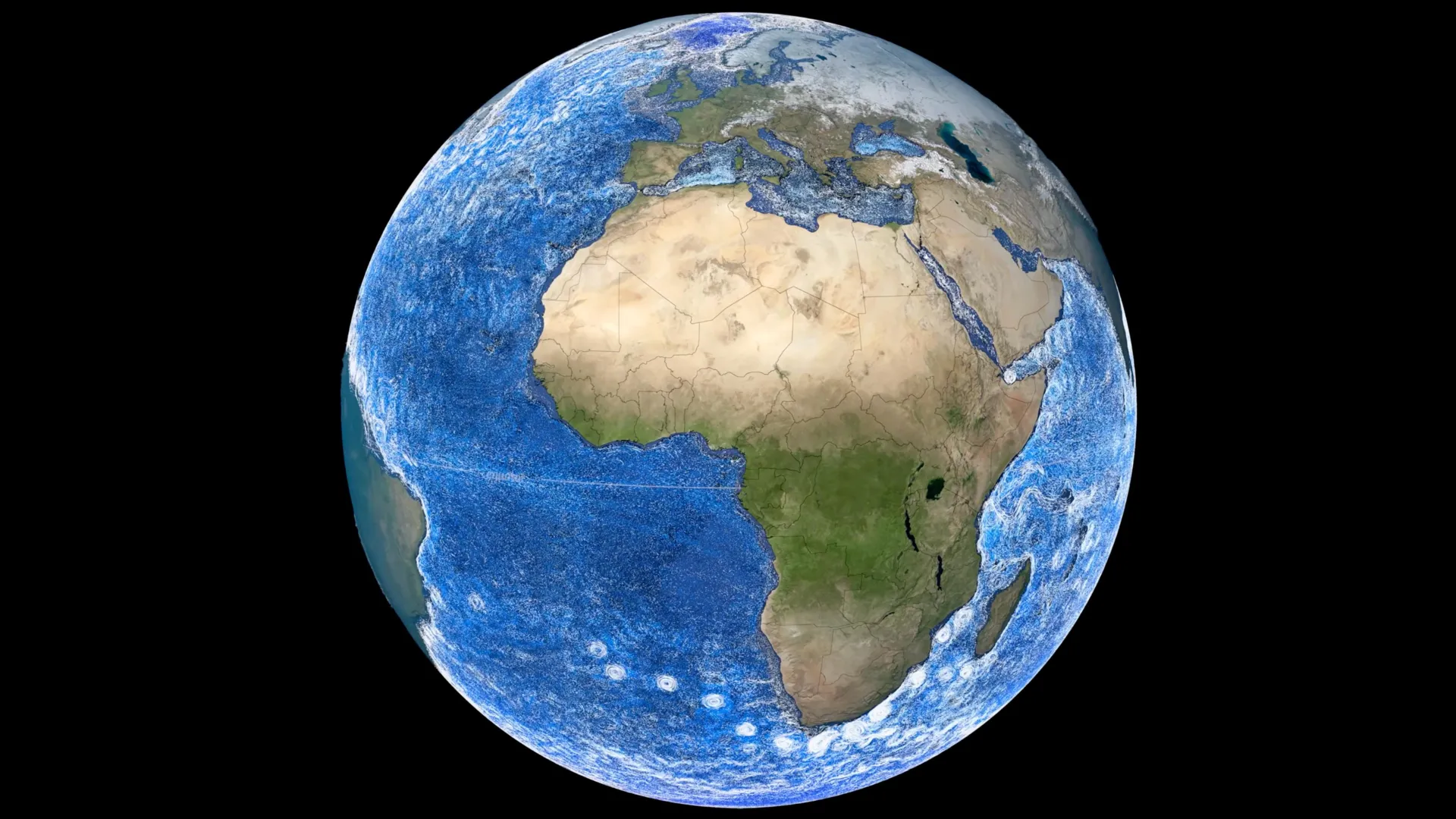
Ancient Sediments Reveal AMOC’s Resilience Amid Ocean Circulation Shift
Ancient seafloor sediments show that 3.4 million years ago, as the Indian Ocean's warm, salty inflow into the Atlantic nearly ceased, the AMOC held its own, parts of the overturning circulation even strengthened. That resilience challenges assumptions about how abruptly this system can shift. It is a reminder that ocean circulation responds in ways we are still mapping. For more on how we track such changes, see "Calibrated ocean intelligence, now within reach through integrated data discovery."

Rapid Atmospheric Heating: Asteroid Dust’s Role in Dinosaur Extinction
Within minutes of impact, debris began heating Earth's atmosphere, and fine dust trapped that heat. The result was a rapid, lethal spike in global temperatures. This mechanism, not the blast alone, may have killed the dinosaurs quickly. It is a stark reminder that extinction can arrive with terrifying speed. For a broader view of how Earth's systems respond to sudden change, see our coverage of the Cascadia Subduction Zone's fragmented tectonic process.
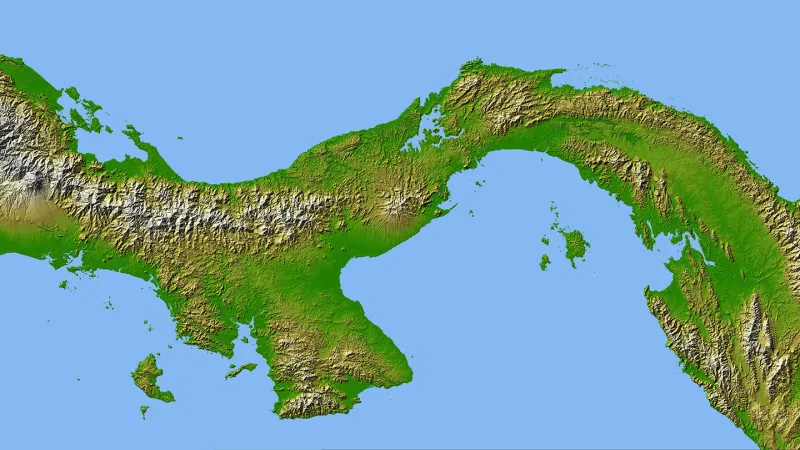
Mexico's Climate: A Pathway for Ancient Mammal Migration
The Isthmus of Panama is often framed as a barrier, but new findings suggest Mexico's climate may have turned it into a corridor for ancient mammals moving north to south. That distinction matters. It reframes a migration story we thought we understood, grounding it in measurable, empirical conditions rather than simple geography. For researchers tracking how species respond to shifting climates, this is a useful calibration of past patterns.

Ocean Deoxygenation Accelerates, Threatening Life and Climate Stability
Oxygen is vanishing from the ocean, and from lakes, rivers, and coastal waters, at a rate that should sharpen our focus. This deoxygenation does not merely stress marine life; it erodes the natural systems that help stabilize Earth's climate. Scientists link this decline directly to warming, pollution, and ocean acidification, making it a compounding planetary threat. We treat this as a measured alarm: the evidence is empirical, and the need for integrated observation has never been clearer.

Charting a Course: Women's Progress in Indian Marine Science
Women now earn 63.3% of postgraduate and 60.5% of doctoral degrees in Indian oceanography, yet they hold just 21.4% of faculty positions. That gap is not abstract. Ten years of national data reveal a pipeline that welcomes women at entry and thins them out at every step after. The pattern mirrors what researchers document globally, and it points to structural barriers, not capability. Progress at the top of the funnel is real, but it stops short of the lab. That is not parity.