climate monitoring
World Data Ocean keeps climate monitoring in one place: 59 stories so far. The section currently leads with “Tracking Dugongs: Monitoring Population Trends in a Changing Ocean.”, “Panama Canal: A Century of Trade Navigates Evolving Climate Risks.”, and “Ocean Warming Reshapes Zooplankton, Impacting Marine Ecosystems Worldwide”. For nearly a quarter-century, the dugongs of Gathaagudu have held steady. The Panama Canal recorded 10,623 deep-draft vessel transits in the first ten months of fiscal year 2026, according to the Panama Canal Authority. A Global Hub for Ocean Intelligence 4 World Data Ocean is a centralized digital platform where researchers, scientists, and ocean enthusiasts converge to… The list below is every climate monitoring story on World Data Ocean, newest first.

Tracking Dugongs: Monitoring Population Trends in a Changing Ocean.
For nearly a quarter-century, the dugongs of Gathaagudu have held steady. The 2023 survey, estimating 8,688 individuals, marks the lowest count in that time series, yet statistically, the population remains stable. That distinction matters. It suggests a resilience that is encouraging, especially as marine heatwaves threaten their seagrass food source. The calf proportion of 9.6% offers a positive signal of current condition. This long-term data, which we can connect to broader efforts in *Integrated Ocean Governance*, provides the empirical foundation needed for informed, forward-looking conservation.

Panama Canal: A Century of Trade Navigates Evolving Climate Risks.
The Panama Canal recorded 10,623 deep-draft vessel transits in the first ten months of fiscal year 2026, according to the Panama Canal Authority. That volume underscores a century of trade resilience, yet the waterway now navigates a more volatile climate. We see this as a measure of both engineering endurance and growing environmental pressure. For context, our coverage of El Niño's unprecedented ocean warming offers a stark reminder of what drives such risks. The canal's operations remain a critical climate indicator.
Ocean Warming Reshapes Zooplankton, Impacting Marine Ecosystems Worldwide
Zooplankton are not drifting passively through this crisis; they are being actively reshaped by it. Ocean warming, stratification, and acidification are filtering species by their traits, reorganizing communities in ways that ripple from grazing rates to carbon export. What stands out is the variability: jellyfish and krill respond differently, and those differences will strengthen some pathways while weakening others. Predicting the ocean's future demands integrating long-term observations with mechanistic models, and this review makes that urgency clear.
Integrating Climate AI for Informed Ocean Impact Assessments
Climate change is redrawing the map of ocean governance, and environmental impact assessments are being pushed toward sharper, more structured standards. From UNCLOS to the BBNJ Agreement, the regulatory bar is rising. Climate AI can meet that moment, not as an add-on, but as a core engine for forecasting, monitoring, and scenario modelling. A standards-driven framework turns complex climate data into reviewable evidence. That is the path to decisions that hold up under pressure.
Charting a Course: MSc Thesis Opportunities in Hydrography and Geoinformatics
A Master's thesis in hydrography is more than an academic requirement; it is a chance to contribute directly to how we measure and protect the marine environment. The student's focus on practical applications and collaboration with research institutes aligns well with the field's need for integrated, real-time data. For those exploring similar paths, the related article "Calibrated ocean intelligence, now within reach through integrated data discovery" offers a useful perspective on where the data ecosystem is heading.

Strait of Hormuz Ship Lay-up Risks Major Marine Bioinvasion Event
Idle ships are not neutral ships. A recent study warns that the mass lay-up of vessels in the Strait of Hormuz could trigger a marine bioinvasion "super-spreader" event once maritime trade resumes. The risk is measurable, and the window for calibrated action is now. This is the kind of integrated risk that demands empirical attention before the ballast water moves. For broader context on regional marine traffic pressures, our coverage of Gulf of Oman STS transfers maxing out offers a relevant parallel.
Mediterranean Sea Temperature and Salinity Trends: A Longitudinal Data Assessment
The Mediterranean Sea is warming, not uniformly, but measurably. This longitudinal assessment of temperature and salinity trends from 2012 to 2025, based on Argo float profiles and reanalysis products, reveals surface warming of 0.8 to 0.9 °C per decade in the Western Mediterranean and Ionian basins. The signal is consistent, yet it is not singular. Freshening in the upper 100 meters contrasts with salinification in Levantine Intermediate Water, underscoring a complex thermohaline shift that demands continued, spatially dense monitoring.
MPA Governance: Balancing Conservation and Blue Economies in Island Nations
Marine protected areas in island nations often promise more than they deliver. Fiji, Palau, and Taiwan's marine governance system each show that designating ocean space is not the same as governing it effectively. The real variable is institutional coherence: whether fisheries, maritime industries, and conservation speak to each other across agencies and levels. Coverage alone falls short. Governance alignment, not area size, determines whether MPAs support climate-resilient blue economies. For those tracking enforcement and monitoring gaps, the lessons here are practical.

Record Sea Surface Temperatures Highlight Urgent Climate Indicators.
The ocean is running a fever, and the latest readings from Copernicus Marine and Copernicus Climate Change confirm it: daily global sea surface temperatures have shattered records for this time of year. These aren't just numbers; they are empirical, climate indicators we can no longer ignore. The data is clear, so we must turn this measurable urgency into action.
Shifting Seagrass: Belize Study Links Decline to Warming and Nutrient Changes
Seagrass ecosystems, vital foundation species for coastal resilience, face escalating threats from climate change and human activity. A longitudinal study within the Turneffe Atoll Marine Reserve, Belize, utilizing the SeagrassNet protocol, reveals a concerning trend: declining *Thalassia testudinum* abundance and a shift towards *Syringodium filiforme*, with complete habitat loss observed in shallow transects by 2025. These changes correlate directly with reduced light, elevated phosphate, and increased water temperatures.
eDNA: Illuminating Biodiversity for Effective Conservation and Ecosystem Health
Biodiversity loss presents a critical global challenge, demanding innovative monitoring solutions. Environmental DNA (eDNA) offers a transformative, non-invasive approach to ecological assessment. By analyzing DNA shed by organisms in soil and water, eDNA enables detection of rare species and provides ecosystem-level insights, revolutionizing conservation research. While advancements continue, rigorous calibration and validation remain essential.
Mediterranean Velella Swarms: Warming Waters Reshape Distribution and Timing
Recent research highlights the critical role of citizen science in understanding ocean responses to climate change. A comprehensive, long-term study of *Velella velella*, a free-floating hydrozoan, in the Mediterranean Sea reveals a 32-day advance in bloom timing since 2009, linked to warming winter sea surface temperatures. Analyzing over 12,000 records—primarily gathered through citizen observations—researchers documented a west-to-east distribution pattern and established *V. velella* as a valuable indicator of surface-ocean variability.
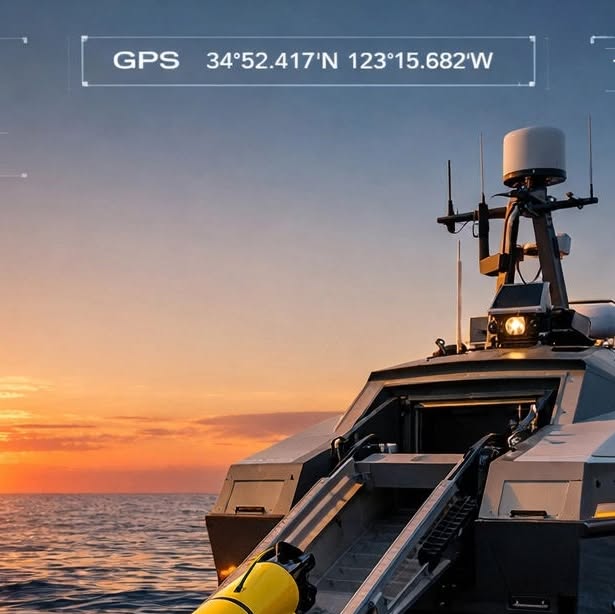
Autonomous Gliders Extend Ocean Monitoring Capabilities from Afar
Imagine a world where we can monitor the deepest corners of the ocean without ever leaving the shore. That world is now a reality: we achieved the first autonomous launch of an underwater glider from an uncrewed surface vessel, creating a validated, real‑time data stream on temperature, salinity and chemistry. This integrated data ecosystem enables longitudinal studies that were once too costly or hazardous, scaling ocean intelligence from surface to seafloor.
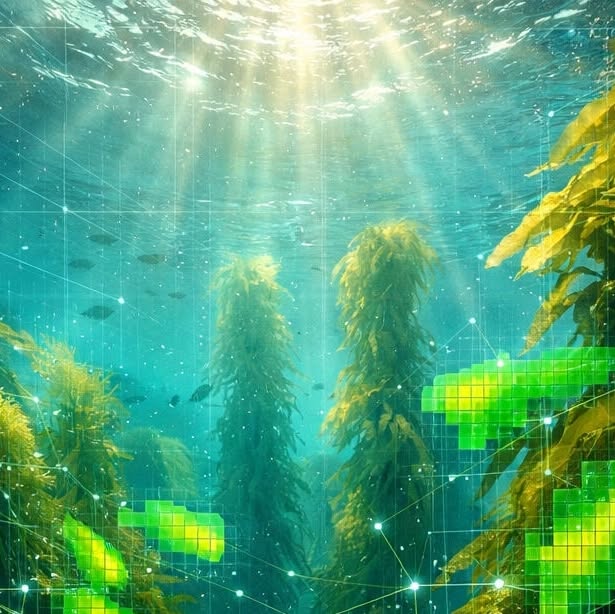
Monitoring Kelp Forests: Integrated Data for Ocean Intelligence.
Ever wonder how we map the ocean’s “rainforests”? Kelp forests are the unsung heroes of our coastlines, sequestering carbon, stabilizing shorelines, and sustaining biodiversity. Yet, scaling their monitoring has long stymied scientists and policy makers. At World Data Ocean, we apply AI and deep learning to convert raw imagery into validated, real‑time ocean intelligence. Our high‑resolution dashboards reveal kelp dynamics in ten times greater detail, empowering researchers to make measurable, evidence‑based decisions that strengthen coastal resilience.
Mapping Macrofauna: Linking Estuary Life to Turtle Nesting in Rushikulya
The Rushikulya estuary, located on the eastern coast of India, is a vital habitat for the Olive Ridley turtle (Lepidochelys olivacea) and supports a rich macrobenthic community. This study investigates the relationship between macrobenthos and environmental drivers over four seasons, identifying 43 taxa, predominantly polychaetes. Significant correlations were found between macrofauna distribution and factors like salinity and nitrite levels. The findings highlight the importance of macrobenthos as bioindicators, providing essential insights for ecological monitoring and sustainable policy development.
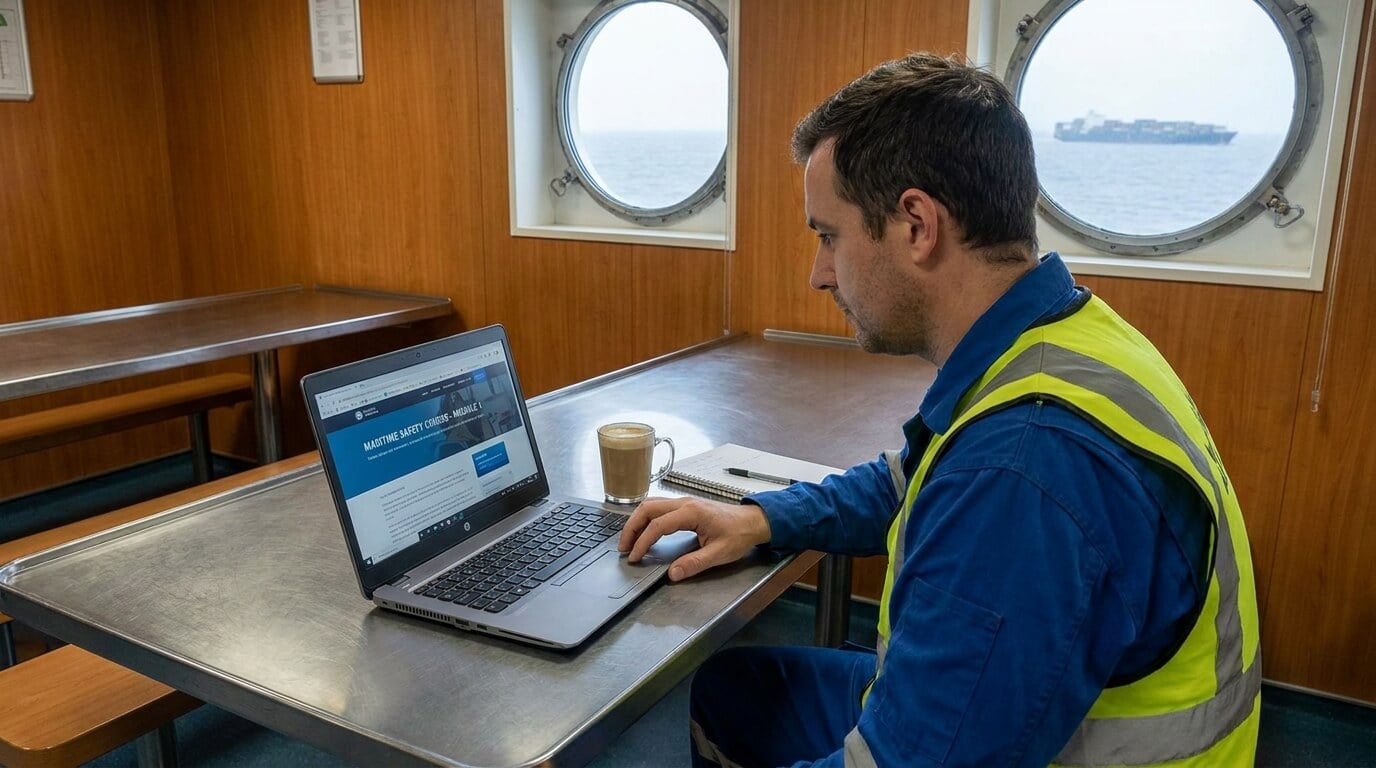
Navigating Change: 8 Key Facts for Seafarers' Future.
The Maritime Just Transition Task Force represents a pivotal shift in the maritime industry, impacting every seafarer's career. Understanding its implications is essential for navigating changes in training, safety, and STCW regulations. Eight critical facts that every seafarer needs to know to stay informed and prepared are outlined. For those interested in broader maritime challenges, our recent article on the "Transcriptomic response of Acropora cervicornis following transplantation to a marginal, nearshore environment" provides valuable insights into the intersection of marine ecology and industry practices.
Non-invasive Stereo Vision Streamlines Fish Length Measurement for Ocean Monitoring
As marine ecosystems face rapid changes due to climate and human pressures, effective monitoring tools are essential. This study presents an innovative, non-invasive pipeline for automatic fish length estimation utilizing an underwater Stereo-Vision System (SVS). By synchronizing image pairs for 3D reconstruction, the method combines 2D segmentation masks with robust multi-object tracking, achieving precise measurements even in challenging underwater environments. With a Mean Absolute Error (MAE) of 1.

Experienced Leader Charts New Course for Panama Canal Authority.
Ilya Espino de Marotta has made history as the first woman to lead the Panama Canal Authority, a strategically vital entity for global trade. Her selection underscores her extensive experience in technical, operational, and leadership roles, positioning her to navigate the complexities of this critical waterway. Espino de Marotta's appointment marks a significant milestone in maritime leadership and emphasizes the importance of diverse perspectives in managing crucial infrastructure.
AI-Powered Fish Identification Boosts Mediterranean Biodiversity Monitoring
Citizen science initiatives are vital for large-scale monitoring of marine biodiversity, particularly in the Mediterranean Sea, a region facing significant ecological challenges. To improve the reliability of species observations from non-expert contributors, this study introduces MEDFISH101, a dataset of approximately 70,000 validated images of 101 fish species. Utilizing advanced transfer learning techniques, we developed a deep learning model, DINOv2-G, achieving a Top-1 accuracy of 94.12% in species identification.
Climate Change and Light Shifts Influence Harmful Algal Blooms in East China Sea
In the East China Sea, harmful algal blooms (HABs) have become increasingly frequent due to climate change, particularly ocean warming and acidification, combined with light attenuation from eutrophication. This study investigates the competitive dynamics between two dominant diatoms, Skeletonema costatum and Chaetoceros curvisetus, under varying conditions of CO2, temperature, and light. Our findings reveal that future scenarios favor C. curvisetus, potentially increasing the prevalence of HAB events.
Hurricane Impacts Measured: Oyster Reefs in Pamlico Sound Under Stress
Hurricanes significantly impact oyster reef habitats, particularly in large, wind-driven estuaries like Pamlico Sound, North Carolina. The unique conditions during Hurricanes Florence and Dorian allowed researchers to assess how storm characteristics, reef depth, and structure affect oyster populations. Findings revealed that deeper reefs faced severe degradation and mortality, while shallower, sheltered reefs showed resilience. Effective management and restoration efforts must consider these factors to enhance reef resilience against increasing storm frequency and intensity.
AI and Ocean Data: Equitable Access for Climate Resilience
As artificial intelligence (AI) models become integral to marine climate monitoring and decision support, the reliance on extensive training data highlights disparities in marine climate data governance. The obligations of cooperation and information exchange under the United Nations Convention on the Law of the Sea (UNCLOS) are reevaluated, particularly for Small Island Developing States (SIDS) that contribute vital local data. It explores the implications of conditional data openness within AI-enabled marine governance, linking it to public risk management.
Centering Indigenous Voices: Shaping Equitable Ocean Futures Through Shared Values
This review explores advancing equity in ocean and coastal governance by centering Indigenous Peoples’ and Local Communities’ (IPLCs) values amid socioecological change. By synthesizing 27 empirical studies, it highlights how IPLCs mobilize their knowledge and values to influence marine governance. Key insights reveal mechanisms for strengthening authority and stewardship, the challenges posed by competing ocean uses and climate change, and emerging pathways for equitable governance. This work underscores the importance of the capability to aspire for governance transitions, a critical dimension of ocean equity.
Nest Relocation Impacts Hawksbill Hatchling Success in Warming Waters
Nest relocation is a common strategy employed to protect hawksbill turtle clutches from threats such as inundation and predation. However, the impact on hatchling quality, particularly in extreme thermal conditions like those in the Arabian Gulf, remains ambiguous. This study compares three incubation strategies— in situ, ex situ, and split-clutch— to assess their effects on hatching success and hatchling performance. Results indicate that while ex situ relocation enhances hatching rates, it may compromise hatchling physical performance.