Chinese Navy
6 stories filed under Chinese Navy on World Data Ocean. The newest of them: “10,000-ton Auspicious Ark docks in Abidjan for medical mission”, “PLAN Integrates Acoustic Mapping for Enhanced Submarine Target Tracking”, and “Chinese Naval Fleet Deploys for Enhanced Maritime Security in Key Waters”. The Auspicious Ark, a 10,000-ton Chinese Navy hospital ship, has docked in Abidjan, Côte d'Ivoire, for a friendly visit and medical mission. Acoustic mapping gives the PLAN a measurable edge in submarine target tracking, turning difficult underwater conditions into calibrated, real-time data. A Global Hub for Ocean Intelligence 4 World Data Ocean is a centralized digital platform where researchers, scientists, and ocean enthusiasts converge to… The list below is every Chinese Navy story on World Data Ocean, newest first.
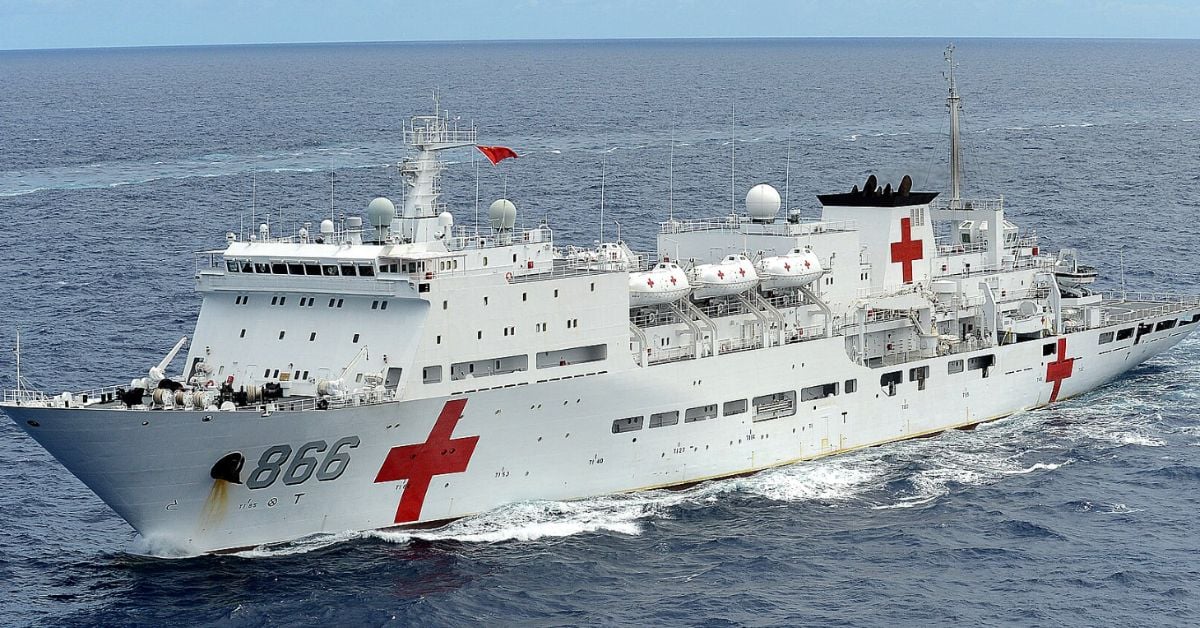
10,000-ton Auspicious Ark docks in Abidjan for medical mission
The Auspicious Ark, a 10,000-ton Chinese Navy hospital ship, has docked in Abidjan, Côte d'Ivoire, for a friendly visit and medical mission. This deployment underscores the calibrated integration of naval capability with humanitarian purpose, a measurable contribution to global health collaboration. For readers interested in parallel developments in maritime capability, our coverage of the Indian Navy's indigenously built multi-purpose vessel *Samarthak* offers further insight into how nations are advancing ocean intelligence through purpose-driven shipbuilding.
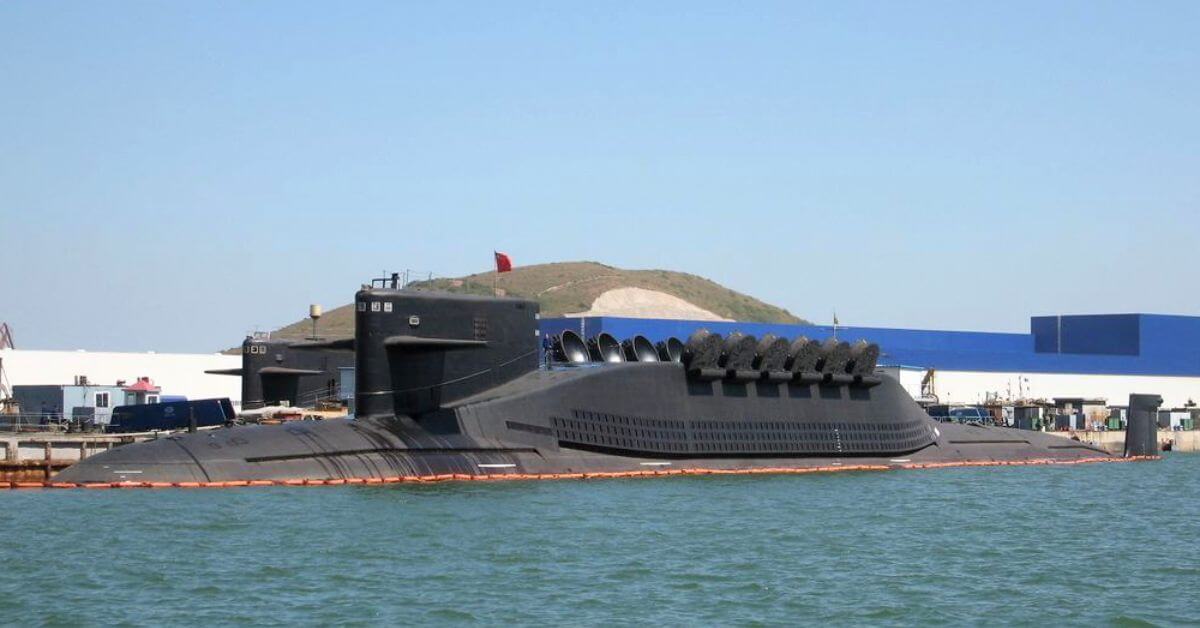
PLAN Integrates Acoustic Mapping for Enhanced Submarine Target Tracking
Acoustic mapping gives the PLAN a measurable edge in submarine target tracking, turning difficult underwater conditions into calibrated, real-time data. This is empirical ocean intelligence applied directly to naval operations. Understanding drives protection, and here, that understanding is acoustic. For broader context on shifting maritime postures, see our coverage of "India Projects Expanded Naval Fleet to Navigate Evolving Maritime Landscape." It is a reminder that ocean stewardship now demands integrated awareness from seabed to surface.

Chinese Naval Fleet Deploys for Enhanced Maritime Security in Key Waters
The Chinese Naval Fleet's deployment, featuring the guided-missile destroyer Kunming, frigate Yueyang, and supply ship Luomahu, is a calibrated move toward enhanced maritime security in key waters. This is not about posturing; it is about maintaining measurable readiness where sea lanes demand vigilance. The integration of surface and support vessels reflects a practical approach to stability. For context on regional pressures, our recent coverage of the Gulf of Oman STS Transfers Max Out highlights how maritime chokepoints are already straining. Understanding these dynamics drives protection.

South China Sea Collision: Two Chinese Coast Guard Personnel Confirmed Dead
Two Chinese Coast Guard personnel, Yi, 21, and Cheng, 25, were confirmed dead on August 11, 2025, during a "maritime rights protection operation in the South China Sea." Their loss is a sobering reminder that ocean stewardship carries a human cost, one we measure in lives, not just data. Our recent coverage, including the rescue detailed in "Ocean Data Enables Swift Rescue of Injured Seafarer Near Andamans," underscores how vital integrated response is, yet no system can replace the people we send into these waters.

Integrated Data Supports Humanitarian Aid Across Africa and South Asia
The Auspicious Ark has set sail, carrying the Chinese Navy's hospital ship toward humanitarian missions across Africa and South Asia. This deployment underscores how integrated data ecosystems can sharpen the coordination such efforts demand. We see this as a practical convergence of logistics and care, where real-time information guides decisions. For deeper context on how subsea infrastructure supports regional connectivity, readers may explore our piece on integrated subsea cables. The mission reflects a broader truth: effective aid relies on the quiet precision of shared knowledge.

Live-Fire Drill Raises Tensions in Disputed Waters Southwest of Okinotori
A live-fire drill conducted Sunday roughly 180 kilometers southwest of Okinotori, Japan's southernmost island, introduces a calculated edge to an already fraught maritime landscape. The exercise, occurring in disputed waters, signals more than readiness; it reflects a persistent assertion of presence that cannot be ignored. Such calibrated maneuvers demand scrutiny, as they intersect with broader regional dynamics.