Caribbean
World Data Ocean keeps Caribbean in one place: 11 stories so far. The section currently leads with “Unidentified Skeleton on Puerto Rico Coast Stumps Local Experts”, “Two Navies, One Port: U.S. and Bahamian Forces Deepen Maritime Alignment”, and “Unexpected Chiton Discovery in Puerto Rico Challenges Species Distribution Models”. An eight-inch skull and vertebrae nearly the size of your palm, pulled from the same stretch of Puerto Rico's west coast, have left even the pros guessing. The USS St. A Global Hub for Ocean Intelligence 4 World Data Ocean is a centralized digital platform where researchers, scientists, and ocean enthusiasts converge to… The list below is every Caribbean story on World Data Ocean, newest first.

Unidentified Skeleton on Puerto Rico Coast Stumps Local Experts
An eight-inch skull and vertebrae nearly the size of your palm, pulled from the same stretch of Puerto Rico's west coast, have left even the pros guessing. The fishermen on the beach were stumped. So was the NOAA contact who saw the photos. Google's image search suggests a drum fish, but the Caribbean species we know run small. This was dense, heavy, and undeniably out of place. Sometimes the ocean reminds us how much remains unmeasured.
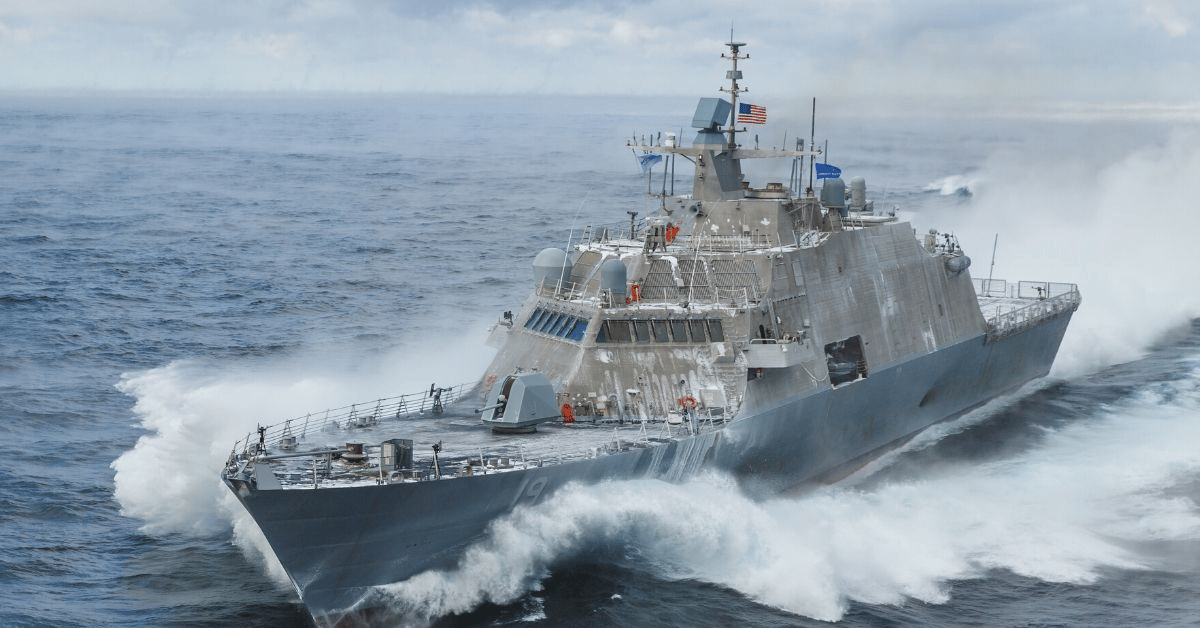
Two Navies, One Port: U.S. and Bahamian Forces Deepen Maritime Alignment
The USS St. Louis and USCGC Pablo Valent have deepened maritime alignment with Bahamian forces during a port visit to Nassau. This is not a ceremonial handshake, it is operational integration. When navies share a port, they share intelligence, response protocols, and a calibrated understanding of regional waters. For those tracking our coverage, the recent *Maritime Interdictions Yield 25,000 Pounds of Cocaine* report underscores how such cooperation directly disrupts transnational threats. Measurable alignment builds measurable security.

Unexpected Chiton Discovery in Puerto Rico Challenges Species Distribution Models
A chiton thought to be a snakeskin species has surfaced in Puerto Rico, yet that species was never documented in Caribbean or Atlantic waters. The discovery challenges the reliability of species distribution models that underpin much of our ocean intelligence. This is not a minor range extension, it is a signal that empirical data must catch up with predictive frameworks. Understanding drives protection, and this finding reminds us that validated, real-world observation remains the anchor of credible marine science.

Climate Change and Overfishing Threaten Caribbean Queen Conch Populations
The queen conch's decline is not a distant warning, it is a measurable reality. Overfishing has already pushed this keystone Caribbean species to Threatened status, yet climate impacts remain poorly understood. Our integrated models reveal stark divergence: benthic habitats may remain stable under optimistic scenarios, but surface-level projections warn of abrupt suitability losses across all pathways by 2040. Anticipating where suitable habitat persists is now essential for conservation.

Identifying Tropical Sea Stars: A Guide for Aquariums and Beyond
Identifying tropical sea stars by sight alone is a familiar frustration, and the gap between "easy" Chocolate Chips and a generic "Cushion" label is wider than most guides admit. You are right to question the Caribbean assumption; many Indo-Pacific species masquerade under that common name. Validated identification requires looking past color to plate arrangement and pore patterns. For a broader maritime context, our piece on China's new nuclear carrier shows how ocean intelligence extends beyond biology into strategic operations.
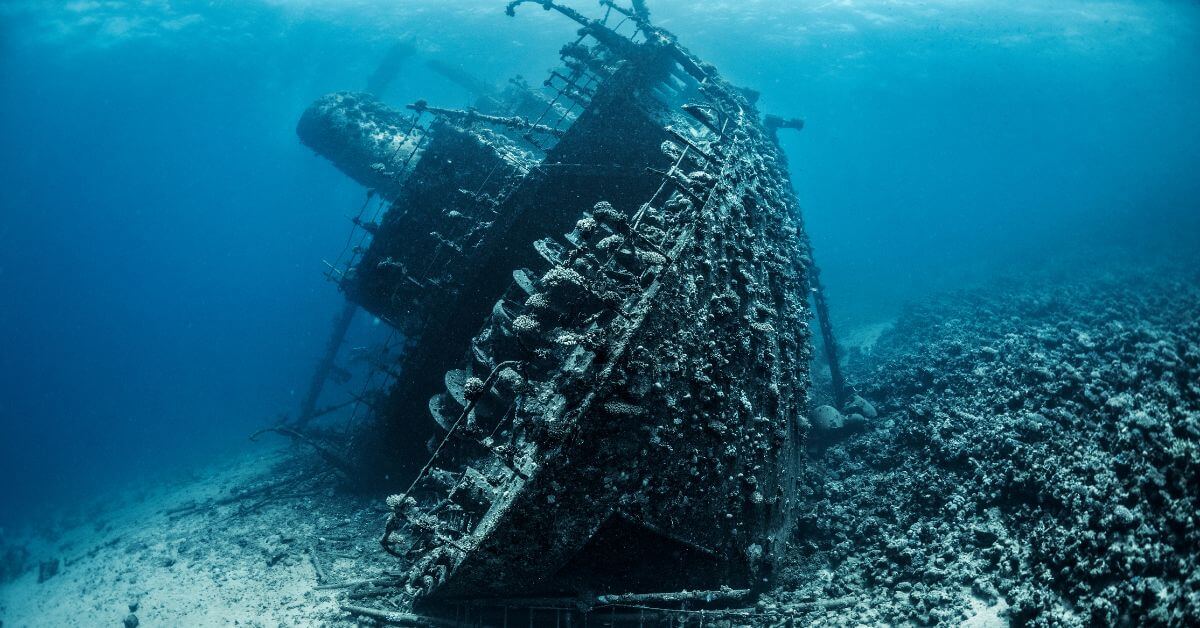
Lost Ship Reveals Clues to Caribbean Trade and Smuggling History
A wooden hull resting 4.25 kilometres off the coast near La Victoria, inside the Sian Ka'an Biosphere Reserve, is rewriting what we know about Caribbean trade routes. This wreck is not just a relic; it is a measured record of commerce and contraband, a tangible piece of ocean intelligence. We see the value in such empirical finds, which anchor our understanding of historical networks.
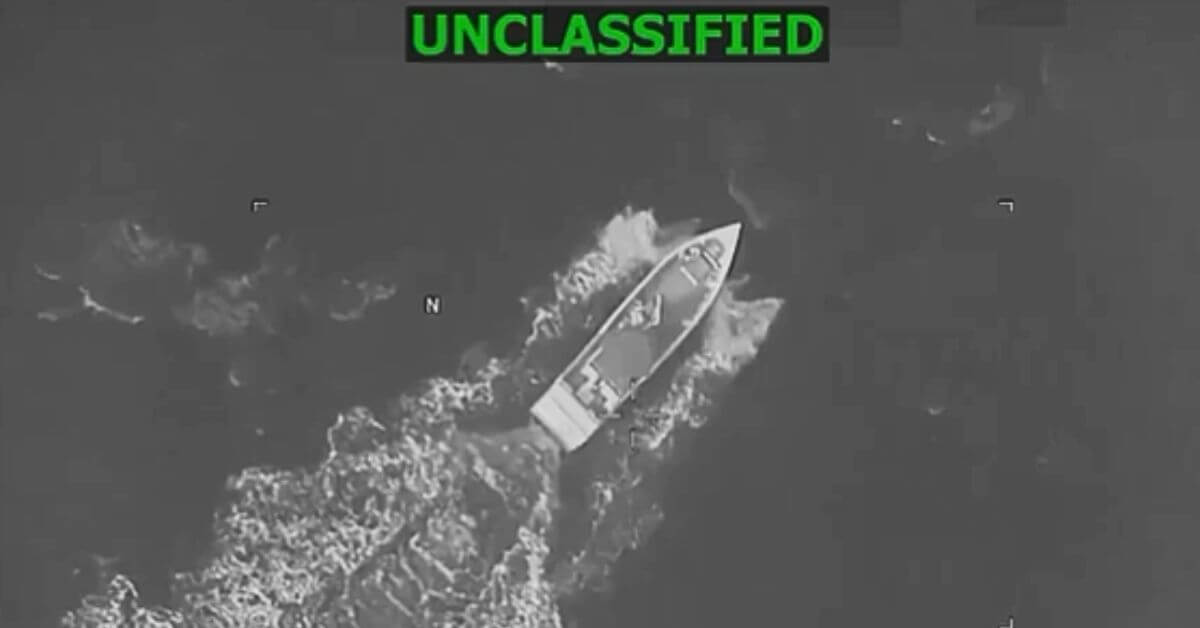
Maritime Interdiction: U.S. Strike in Caribbean Raises Questions of Escalation
Two days after a U.S. strike on a vessel in the Eastern Pacific killed two people, a new maritime interdiction in the Caribbean is forcing a harder look at escalation. These are the first such actions in over two months, and the timing is deliberate. Measured force, when applied, still carries weight. The question is whether Washington is calibrating a broader posture or responding to isolated pressure.
Caribbean Offshore Wind: Balancing Energy Needs and Marine Planning.
Offshore wind holds real promise for Caribbean energy security, but its path forward depends on where we choose to build. This study gets that. By layering wind climatologies with ecological constraints across 12 SIDS, it maps 10.03% of maritime space as viable opportunity zones while revealing a striking decoupling: only 0.36% forces trade-offs. That clarity matters. The framework turns vague national aggregates into actionable, sub-EEZ siting strategies.

Seized Vessels' Fate: Sanctioned Oil Tankers Scrapped in India.
Two sanctioned oil tankers, the Era and the Lileo, once known by multiple names in a shadowy trading history, have been scrapped in India. Their dismantling signals a quiet, practical resolution to sanctions pressure. It is a measured outcome, not a spectacle, and it underscores how global compliance mechanisms are reshaping vessel lifecycles. For context on maritime infrastructure shifts, our piece on integrated subsea cables enhancing Indian Ocean connectivity offers a broader view of regional logistics. Enforcement, it seems, is working.

Unmanned Systems Enhance Maritime Security, Intercepting $81M in Cocaine.
A single unmanned surface vehicle turned the tide of a multi-million-dollar drug run. Operating ahead of the interdiction, the system tracked the target, relayed real-time coordinates, and enabled a U.S. Navy crew to close in and seize $81 million in cocaine. This is not just a successful bust; it is a measurable demonstration of how autonomous systems are redefining maritime law enforcement.

Caribbean Interdiction: Coast Guard Seizes $2.8M in Marijuana.
The U.S. Coast Guard offloaded $2.8 million in marijuana at Coral Harbour, Bahamas, on Monday, placing three detainees in judicial custody. This interdiction reflects a steady, calibrated approach to maritime security. Measured actions like these, while less visible than large-scale cocaine busts, reinforce the same integrated data ecosystem that supports ocean intelligence. For broader context on regional enforcement, our related article on maritime interdictions yielding 25,000 pounds of cocaine underscores the persistent pressure on illicit trafficking routes.