ballistic missile submarine
World Data Ocean keeps ballistic missile submarine in one place: 5 stories so far. The section currently leads with “Ohio-class submarine relocation signals measured shift in Pacific naval posture”, “U.S. Navy Accelerates Submarine Production with Integrated Strategy”, and “Navy Removes Submarine Commander Citing Loss of Confidence”. The USS Wyoming's relocation to Naval Base Kitsap-Bangor is not a routine berthing change, it is a calibrated adjustment in Pacific naval posture. The U.S. A Global Hub for Ocean Intelligence 4 World Data Ocean is a centralized digital platform where researchers, scientists, and ocean enthusiasts converge to… The list below is every ballistic missile submarine story on World Data Ocean, newest first.
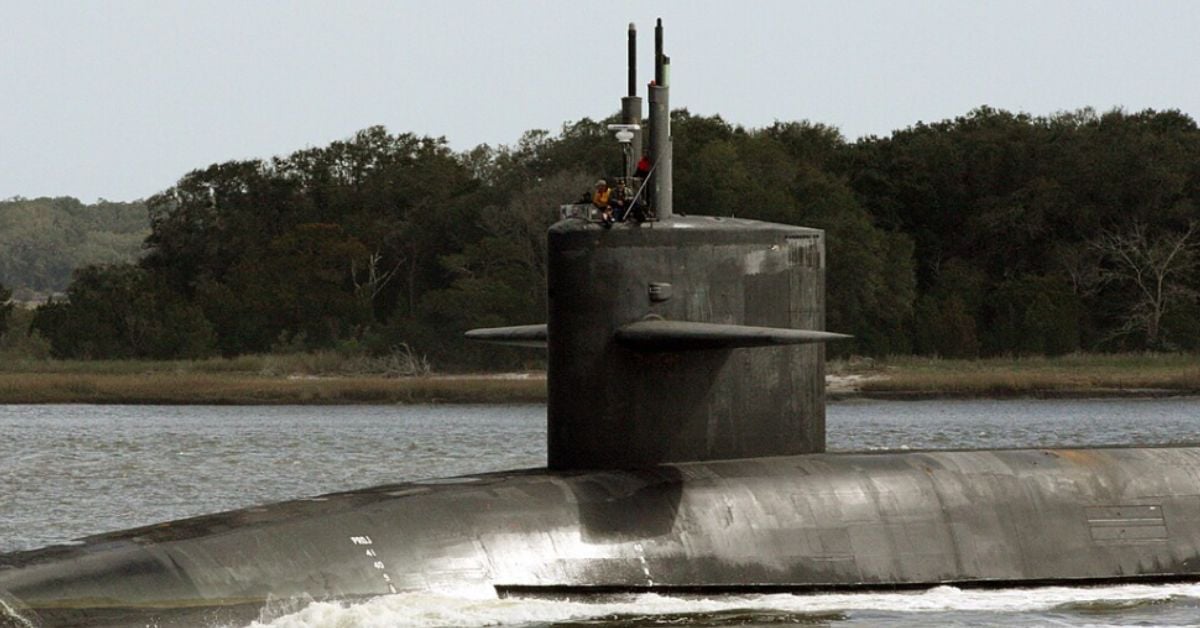
Ohio-class submarine relocation signals measured shift in Pacific naval posture
The USS Wyoming's relocation to Naval Base Kitsap-Bangor is not a routine berthing change, it is a calibrated adjustment in Pacific naval posture. Ballistic missile submarines are the quietest leg of the strategic triad, and moving one to Washington state signals a deliberate, measurable response to shifting maritime dynamics. For context on how naval operations are evolving, see our coverage of the longest carrier deployment in decades signaling shifting maritime demands. Understanding drives protection, even beneath the surface.
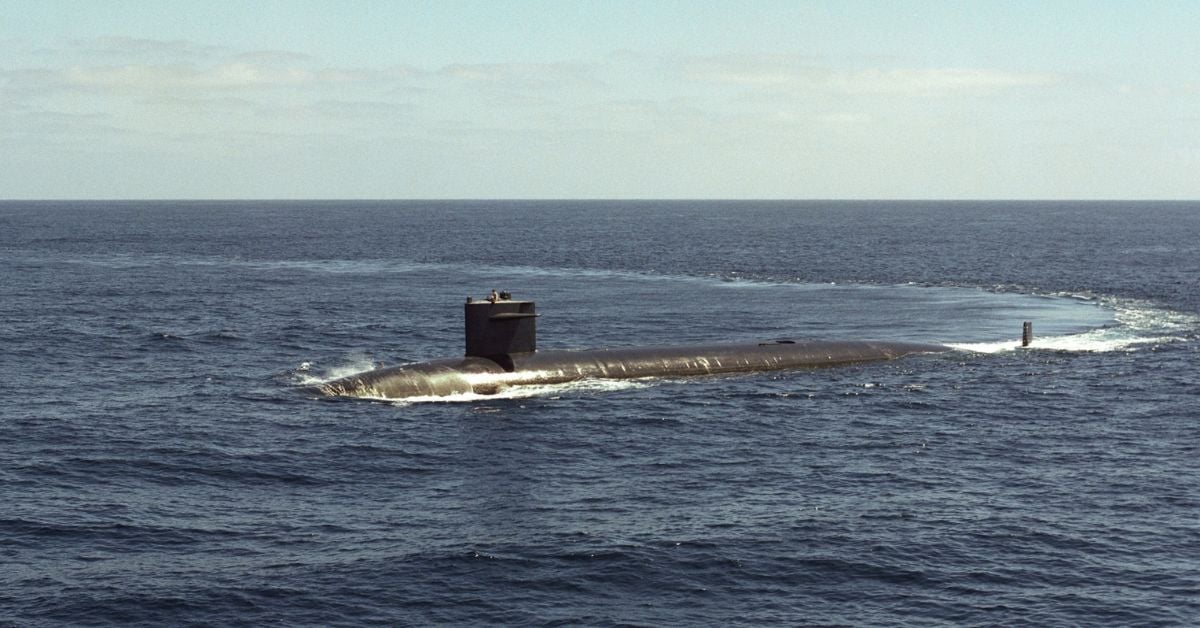
U.S. Navy Accelerates Submarine Production with Integrated Strategy
The U.S. Navy's four-pillar strategy to accelerate submarine production is a measured response to a pressing operational need. It prioritizes integration across the industrial base, aiming to shorten timelines without sacrificing the rigorous standards these vessels demand. This is not about hype; it is about calibrated execution. For context on how such industrial momentum aligns with broader naval reach, our coverage of China's new nuclear carrier signals a similar push for extended operations. The pace of production is now a strategic metric.

Navy Removes Submarine Commander Citing Loss of Confidence
The U.S. Navy's decision to relieve a submarine commander over a "loss of confidence" underscores the uncompromising standard required for those entrusted with silent service. This is not a casual rebuke; it is a calibrated judgment that leadership is about more than technical skill. Such decisions, while stark, reinforce the discipline that underpins our naval power. For context on how this fits into broader force readiness, our piece on the U.S.

End of an Era: USS Georgia Submarine Begins Inactivation.
The USS Georgia's final voyage is complete, marking the beginning of its scheduled inactivation. The Navy confirmed the submarine has concluded operations, closing a chapter defined by decades of silent service. This process is not an ending but a transition, a measured step in a broader maritime evolution. As platforms age, new capabilities emerge, and our coverage of autonomous systems integration, such as the Navy's recent center for robotic operations, highlights where the fleet is heading. Understanding this shift is essential.

Real-Time Battery Data Bolsters Navy Submarine Readiness and Safety
Battery monitoring systems from L3Harris will now support the U.S. Navy's submarine fleet under a new contract with General Dynamics Electric Boat. This is the kind of practical, data-driven upgrade that quietly strengthens readiness where it matters most. Real-time battery data means safer operations and fewer unknowns beneath the surface. For those tracking broader naval shifts, our piece on China's New Nuclear Carrier Signals Extended Naval Operations Capability offers useful context on how undersea and surface power are evolving in parallel.