anthropology
World Data Ocean keeps anthropology in one place: 4 stories so far. The section currently leads with “Navigating a Marine Studies BA: Pathways to a Marine Biology Career”, “Denisovan Life Unveiled: Fossil Discoveries Offer New Insights”, and “Ancient DNA on Cave Walls Reveals Links to Prehistoric Art”. A marine studies BA does not have to close the door on a career in fish identification, though it does require strategic planning. A fragment of tooth, a scatter of bone, and stone tools from a cave in China now sharpen our view of Denisovan life. A Global Hub for Ocean Intelligence 4 World Data Ocean is a centralized digital platform where researchers, scientists, and ocean enthusiasts converge to… The list below is every anthropology story on World Data Ocean, newest first.
Navigating a Marine Studies BA: Pathways to a Marine Biology Career
A marine studies BA does not have to close the door on a career in fish identification, though it does require strategic planning. The degree's interdisciplinary focus, blending policy and humanities with ocean science, can support your goal, especially if you pair it with targeted coursework and your six-year observational hobby. Population monitoring is a viable entry point, as it demands the very taxonomic skills you already practice.
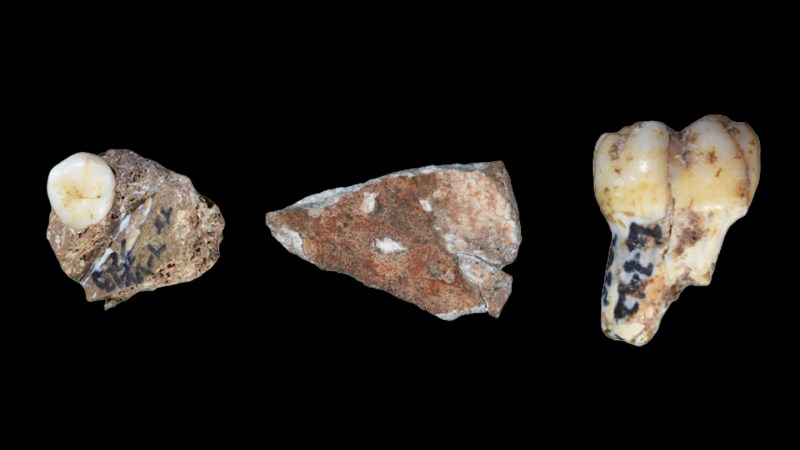
Denisovan Life Unveiled: Fossil Discoveries Offer New Insights
A fragment of tooth, a scatter of bone, and stone tools from a cave in China now sharpen our view of Denisovan life. This is empirical evidence, not speculation. These fossils, alongside animal remains, offer measurable clues about how this enigmatic species lived. Understanding drives protection. For deeper context on how ancient and modern systems connect, see our related coverage on integrated subsea infrastructure shifting Indian Ocean connectivity.
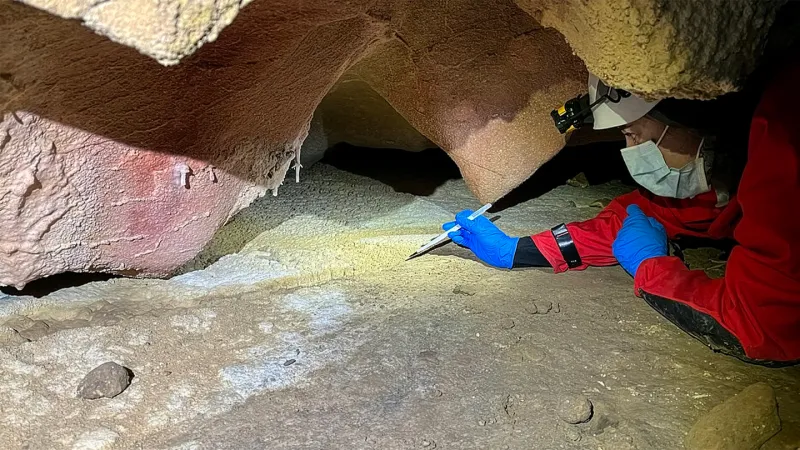
Ancient DNA on Cave Walls Reveals Links to Prehistoric Art
For the first time, scientists have recovered ancient human DNA directly from cave walls, a breakthrough that could rewrite how we connect prehistoric art to its creators. Refined methods now allow genetic material to be extracted from sediment and mineral coatings, offering a measurable link between the artists and the images they left behind. It is a quiet but significant step forward. As we trace these genetic threads, we are also mapping the deeper story of human expression.

Respecting the Past, Shaping Ethical Research on Human Remains
Science advances by confronting its own failures. Nancy Shute, Editor in Chief, opens a necessary conversation about the history of unethical practices in research on human remains, a past marked by exploitation and harm. Yet her focus is not merely retrospective; it charts a deliberate path toward rigorous, respectful standards that define modern ocean intelligence. This is how we integrate ethical calibration into empirical work: by acknowledging missteps and building a more responsible foundation.