analysis
analysis at World Data Ocean is a file of 5 stories. The newest of them: “Researchers trace a real celestial date to van Gogh's Starry Night”, “China's electric vehicle acceleration offers measurable data for global climate indicators”, and “Revealing Scientific Insights Hidden Within Historical Artworks”. A precise celestial alignment has been traced to van Gogh's *Starry Night*, researchers have now identified the real astronomical date that inspired the iconic 1889 painting. China's electric vehicle adoption is accelerating faster than in the European Union or the United States, providing validated, real-world data for global climate indicators. A Global Hub for Ocean Intelligence 4 World Data Ocean is a centralized digital platform where researchers, scientists, and ocean enthusiasts converge to… The list below is every analysis story on World Data Ocean, newest first.

Researchers trace a real celestial date to van Gogh's Starry Night
A precise celestial alignment has been traced to van Gogh's *Starry Night*, researchers have now identified the real astronomical date that inspired the iconic 1889 painting. This empirical calibration of art and science is a compelling example of how validated data can illuminate even the most subjective of human expressions. For those tracking how measurable observations reshape our understanding of the world, our coverage of Arctic sea ice thinning persists as winter and summer records decline offers a parallel story of long-term environmental signals.
China's electric vehicle acceleration offers measurable data for global climate indicators
China's electric vehicle adoption is accelerating faster than in the European Union or the United States, providing validated, real-world data for global climate indicators. This measurable shift demonstrates how policy and innovation can align to reduce emissions at scale. For deeper context on the nations that have shaped our carbon legacy, see our related analysis, "Tracking the nations with the largest share of historical CO₂ emissions." Understanding these trajectories is essential for informed ocean stewardship.
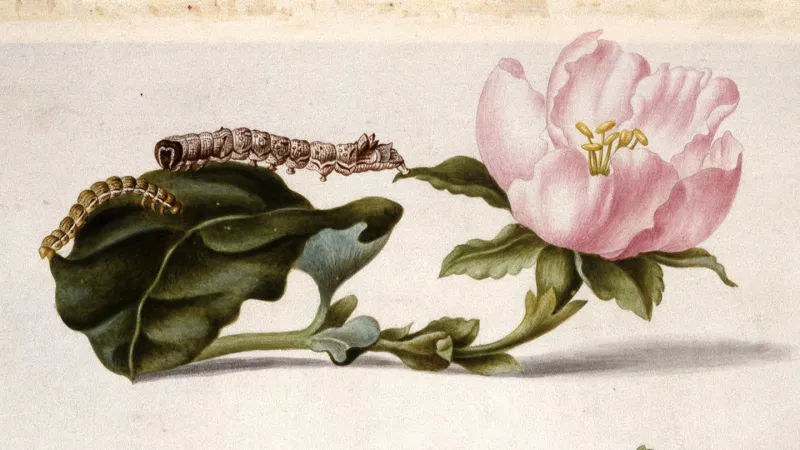
Revealing Scientific Insights Hidden Within Historical Artworks
A 17th-century seascape hanging in a Dutch museum holds more than artistic mastery, it contains a hidden record of ocean conditions. Scientists and art historians are now collaborating to extract empirical data from historic paintings, treating each canvas as a calibrated observation of past climate indicators. This innovative integration of art and ocean intelligence transforms cultural artifacts into measurable scientific tools. Understanding drives protection. For deeper context on marine research pathways, see our related coverage on navigating a marine studies degree.

Record Sea Surface Temperatures Highlight Urgent Ocean Monitoring Needs
A new daily global sea surface temperature record, as reported by Copernicus Climate Change Service, signals that 2024's heat has carried into the present. This is not a distant anomaly; it is a measurable shift demanding sharper vigilance. We see this as a direct call for robust, real-time ocean intelligence, not passive observation. For those seeking practical pathways in this field, our related piece on "Expanding Oceanography Career Options" offers a grounded look at professional entry points. Monitoring must match the pace of change.
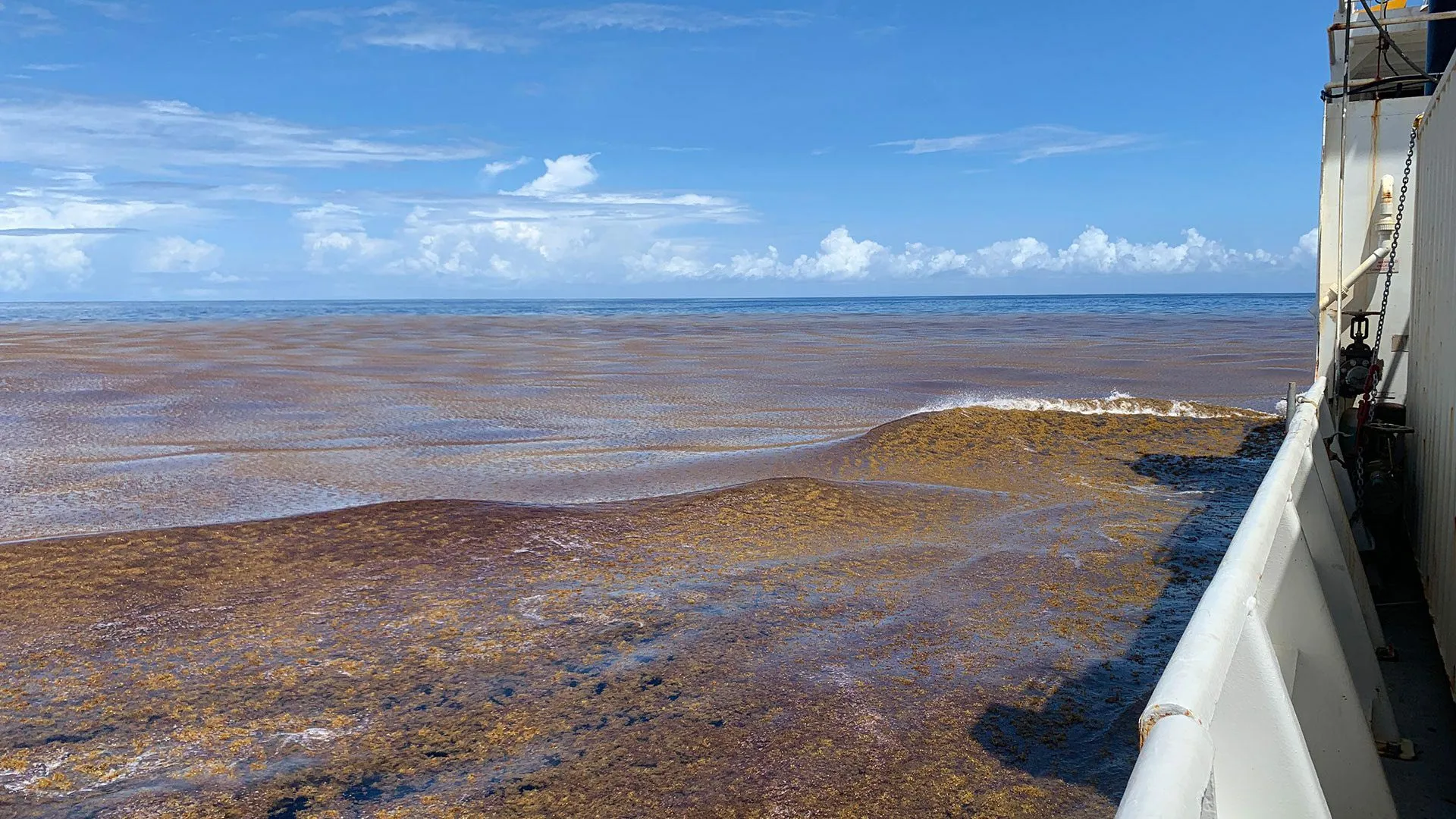
Ocean Algae Blooms Expand Globally, Revealed by AI Analysis
The ocean is changing in ways we can now measure. An AI analysis of 1.2 million satellite images reveals that floating algae blooms are expanding across the global ocean, and the implications are significant. These massive seaweed mats can reshape marine habitats, while their decay brings ecological damage and economic losses to coastlines. This is a clear signal that our ocean intelligence must improve. For a deeper understanding of the systems connecting our seas, see our coverage of the Atlantic Circulation Weakens.