ammonia-fueled vessel
World Data Ocean keeps ammonia-fueled vessel in one place: 2 stories so far. The section currently leads with “Ammonia-Fueled Bulk Carrier Opens First Voyage With 210,000-Tonne Payload” and “Ammonia Bunkering Milestone: Pioneering Sustainable Shipping Practices”. The world's first ammonia-fueled bulk carrier has opened its maiden voyage with a 210,000-tonne payload, built at China's Qingdao Beihai Shipyard. NYK Line and its Japanese partners have completed the world's first ship-to-ship ammonia bunkering operation on an ammonia-fuelled vessel, a measured step toward decarbonizing maritime transport. A Global Hub for Ocean Intelligence 4 World Data Ocean is a centralized digital platform where researchers, scientists, and ocean enthusiasts converge to… The list below is every ammonia-fueled vessel story on World Data Ocean, newest first.
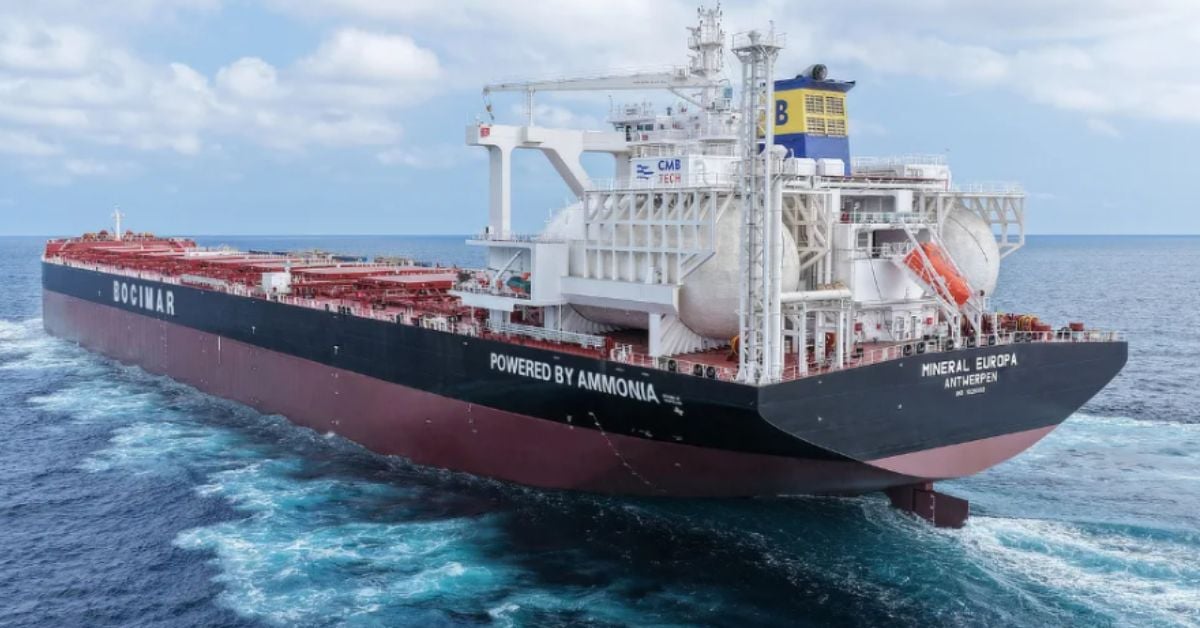
Ammonia-Fueled Bulk Carrier Opens First Voyage With 210,000-Tonne Payload
The world's first ammonia-fueled bulk carrier has opened its maiden voyage with a 210,000-tonne payload, built at China's Qingdao Beihai Shipyard. This is a calibrated step toward measurable decarbonization in heavy maritime shipping, not a symbolic gesture. Real-world operation of such a vessel validates a tangible alternative to traditional fuel pathways. For deeper context on port resilience, see our related piece on calibrating port resilience against measurable cyclone-driven economic loss.
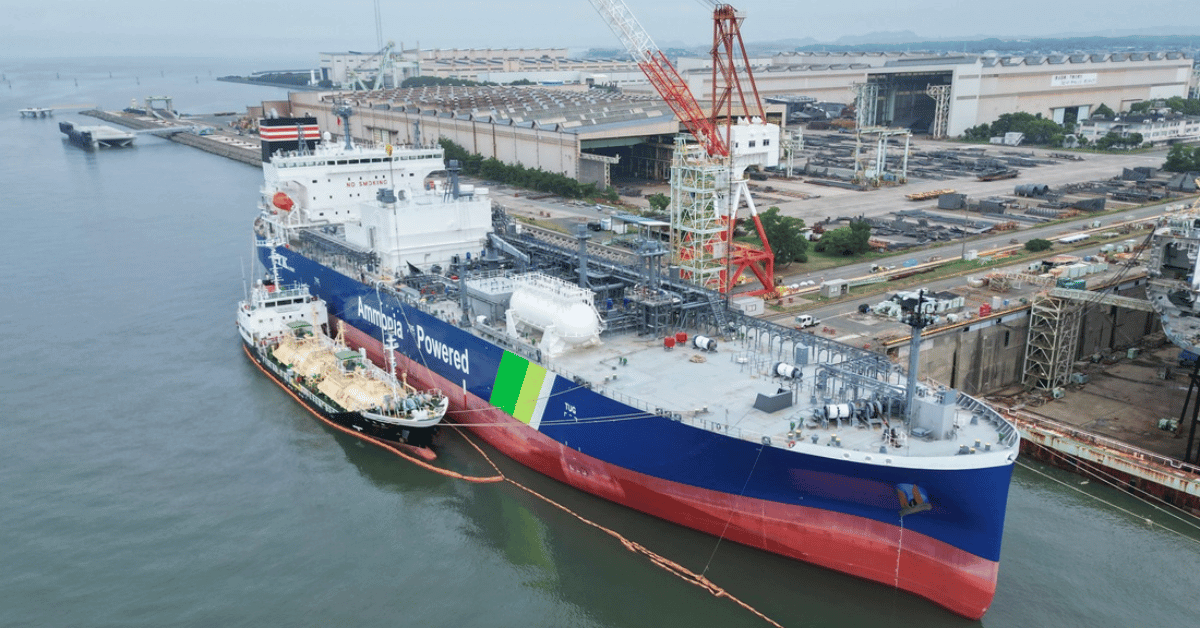
Ammonia Bunkering Milestone: Pioneering Sustainable Shipping Practices
NYK Line and its Japanese partners have completed the world's first ship-to-ship ammonia bunkering operation on an ammonia-fuelled vessel, a measured step toward decarbonizing maritime transport. This is not flashy; it is empirical progress. The operation validates a practical pathway for integrating alternative fuels into existing logistics chains. For those tracking how ports and fleets evolve, this milestone complements the validated design of an LNG-ammonia bunkering vessel we covered earlier. Together, these developments signal a deliberate, data-driven shift in how the industry powers its ships.