algae
World Data Ocean keeps algae in one place: 10 stories so far. The section currently leads with “Unexpected Sea Hare Appears in Mediterranean Aquarium Ecosystem”, “Symbiodiniaceae Minicircles Reveal Coral Reef Algae Genomic Variation”, and “Arctic Ice Edge Creates Unexpected Cloud-Seeding Boost, Climate Models May Need Update”. A sea hare appearing uninvited in a Mediterranean aquarium is the kind of event that turns a routine ecosystem into a quiet mystery. The 14 minicircles mapped in *Breviolum psygmophilum* are not just structural curiosities. A Global Hub for Ocean Intelligence 4 World Data Ocean is a centralized digital platform where researchers, scientists, and ocean enthusiasts converge to… The list below is every algae story on World Data Ocean, newest first.

Unexpected Sea Hare Appears in Mediterranean Aquarium Ecosystem
A sea hare appearing uninvited in a Mediterranean aquarium is the kind of event that turns a routine ecosystem into a quiet mystery. This one surfaced yesterday, with no clear origin story. The tank mixes Balearic and northern Adriatic species, while the *Fucus vesiculosus* came from the Baltic, kept isolated long enough to rule it out as a hitchhiker. Identification matters here, though the immediate question is simpler: how long has this herbivore been grazing unnoticed?

Symbiodiniaceae Minicircles Reveal Coral Reef Algae Genomic Variation
The 14 minicircles mapped in *Breviolum psygmophilum* are not just structural curiosities. They reveal a chloroplast genome built for flexibility, where the relative abundance of these plasmid-like DNA molecules shifts between growth phases. This suggests a dynamic mechanism for gene dosage, a level of control absent in the single circular genomes of most plants. It is a compelling glimpse into the evolutionary toolkit that helps power the coral-algae symbiosis.
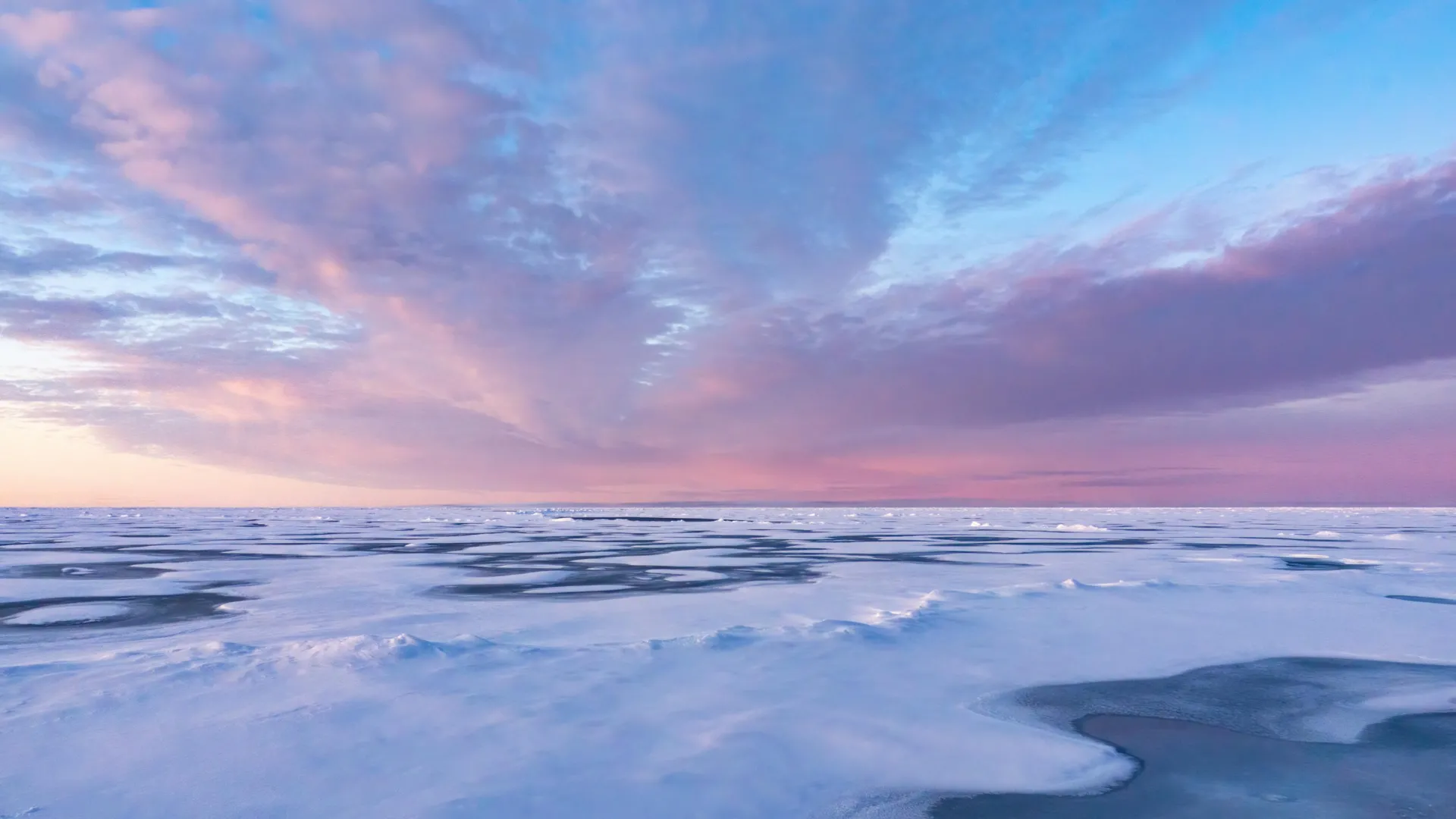
Arctic Ice Edge Creates Unexpected Cloud-Seeding Boost, Climate Models May Need Update
Sunlight meeting melting sea ice is doing more than brightening the Arctic. It is triggering a chemical reaction that multiplies cloud-seeding particles by up to 50 times in a single day. That is a striking jump, and it comes from a region actively expanding as ice retreats. This process deserves serious attention. We should not assume current models capture it. Understanding this mechanism could refine how we project Arctic warming, and that matters for everyone watching the poles.

Tasmanian Intertidal Mystery: Seeking Identification of Unusual Marine Growth
A single find in a northern Tasmanian tide pool can raise questions that reach far beyond the shoreline. A user on our platform has asked for help identifying an unusual marine growth from the Don Reserve in Devonport, caught between sponge and algae. That moment of uncertainty is where ocean intelligence begins. We encourage the community to examine the images closely; the answer may be a familiar species in an unfamiliar form.

Pink Biofilm Emerges in Oyster Hatchery Tanks: Investigating the Source
Pink patches forming on hatchery tank walls raise a question worth answering with precision. A facility operator in NYS DEC zone 1, pumping harbor water directly into oyster and clam tanks, has noticed these growths during routine cleaning. Identifying the source matters, since tank conditions directly affect larval health. The observation is practical, measurable, and exactly the kind of empirical lead that benefits from shared investigation.
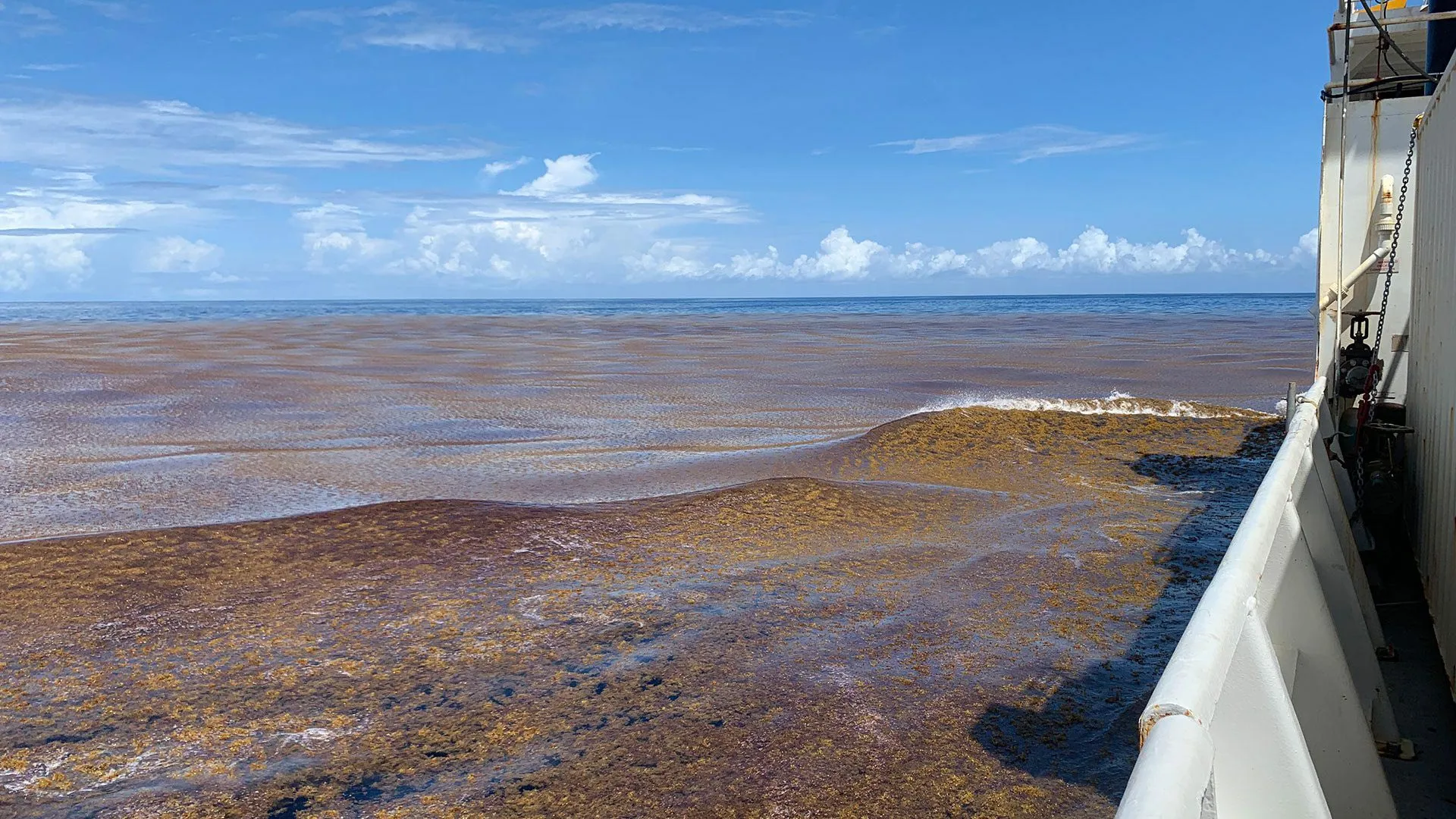
Ocean Algae Blooms Expand Globally, Revealed by AI Analysis
The ocean is changing in ways we can now measure. An AI analysis of 1.2 million satellite images reveals that floating algae blooms are expanding across the global ocean, and the implications are significant. These massive seaweed mats can reshape marine habitats, while their decay brings ecological damage and economic losses to coastlines. This is a clear signal that our ocean intelligence must improve. For a deeper understanding of the systems connecting our seas, see our coverage of the Atlantic Circulation Weakens.

Strait of Hormuz Ship Lay-up Risks Major Marine Bioinvasion Event
Idle ships are not neutral ships. A recent study warns that the mass lay-up of vessels in the Strait of Hormuz could trigger a marine bioinvasion "super-spreader" event once maritime trade resumes. The risk is measurable, and the window for calibrated action is now. This is the kind of integrated risk that demands empirical attention before the ballast water moves. For broader context on regional marine traffic pressures, our coverage of Gulf of Oman STS transfers maxing out offers a relevant parallel.
Tidal Creek Edges: Key to Successful Marsh Restoration
Restoration ecologists often ask why pioneer plants take hold in some zones and not others. In a brackish Scheyldt marsh, the answer lies along tidal creek edges. Our field experiments show seed retention runs three to four times higher there than on the interior flat, with seedling survival similarly boosted. The mechanism appears physical: surface sediment consolidates near creeks, creating a firmer, more stable bed. This insight reframes creek networks as active restoration tools, not just drainage channels.

Unidentified Fish Found in Massachusetts Intertidal Zone Sparks Curiosity
A palm-sized fish in the Massachusetts intertidal zone has sparked a familiar kind of curiosity. The observer, more at home with algae and shorebirds, noted the specimen's odd look for a flounder, and they're right to pause. Such sightings remind us that even well-trodden shorelines hold gaps in our data. Identifying this individual matters less than the question it raises. For those tracking similar puzzles, our piece on an unexpected chiton discovery in Puerto Rico shows how a single observation can challenge distribution models.

Unidentified Marine Specimen Washes Ashore in Maceió, Brazil
A single unidentified specimen has appeared on Cruz das Almas Beach in Maceió, Brazil, prompting curiosity from a local resident who found it and noted a faint fishy smell, likely from its time in the sand. While such strandings often involve known species, this one resists easy classification from the description alone. It is a reminder that our ocean intelligence still has gaps. For context on how we track marine life across vast distances, see our related coverage on integrated subsea cables enhancing data transmission.