air defense
4 stories filed under air defense on World Data Ocean. The newest of them: “Baltic Allies Validate Uncrewed Target Engagement in Gulf of Bothnia Exercise”, “Germany Integrates Naval IRIS-T Launchers into F125 Frigate Modernization Plan”, and “Expanding Tomahawk Production: A Seven-Year, $22.9 Billion Investment.”. A U.S. Germany's decision to mount two deck-launched IRIS-T systems on each F125 frigate is a calibrated, measurable upgrade to naval defense. A Global Hub for Ocean Intelligence 4 World Data Ocean is a centralized digital platform where researchers, scientists, and ocean enthusiasts converge to… The list below is every air defense story on World Data Ocean, newest first.
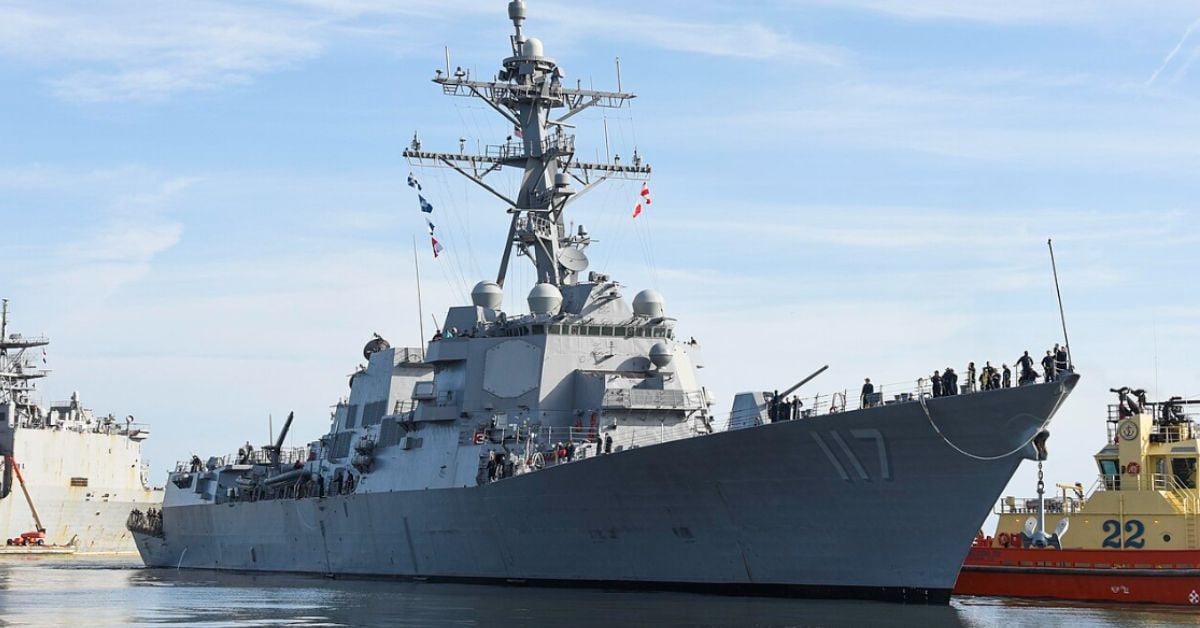
Baltic Allies Validate Uncrewed Target Engagement in Gulf of Bothnia Exercise
A U.S. Navy destroyer's participation in a joint exercise with Swedish and Finnish personnel in the Gulf of Bothnia is a measurable demonstration of integrated allied capability. Validating uncrewed target engagement in these waters sharpens the empirical data needed for coordinated maritime defense. Understanding drives protection. For deeper context on allied naval posture, see our coverage of *HMS Dragon's return narrowing Royal Navy presence in the Gulf*.
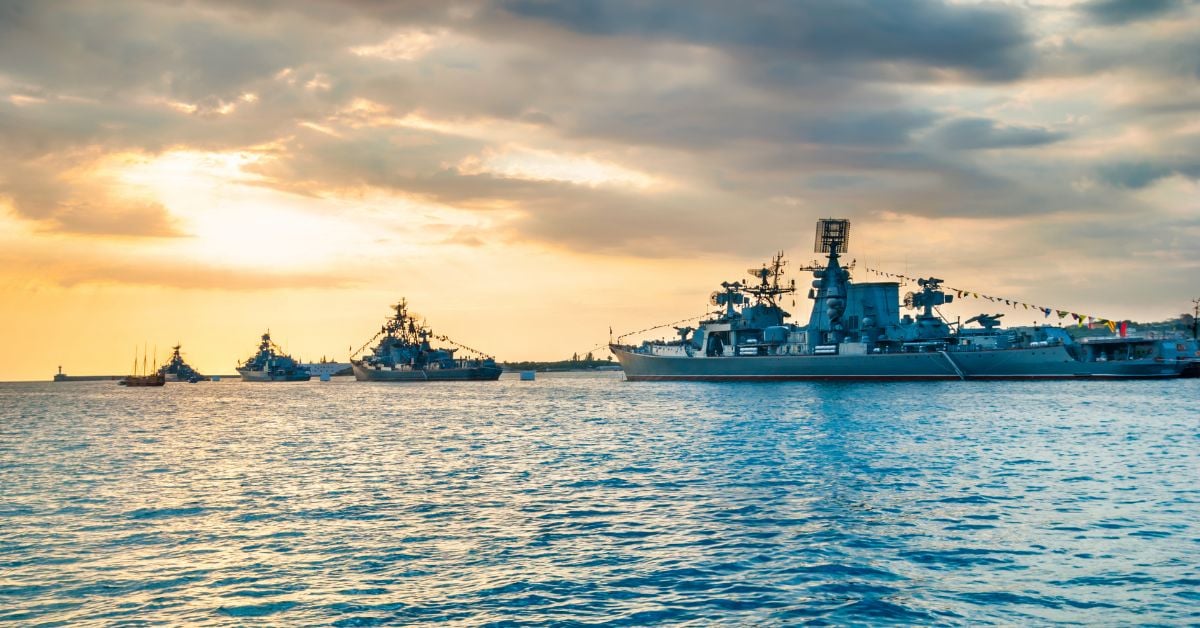
Germany Integrates Naval IRIS-T Launchers into F125 Frigate Modernization Plan
Germany's decision to mount two deck-launched IRIS-T systems on each F125 frigate is a calibrated, measurable upgrade to naval defense. This integration reflects a forward-thinking approach to maritime security, balancing technological precision with operational readiness. For readers tracking geopolitical stability, our related coverage on "Shipping Route Stability: Iran Maintains Control of Strait of Hormuz" offers further context on how regional power dynamics influence global naval strategy. Validated empirical data, not alarmism, must guide these conversations.

Expanding Tomahawk Production: A Seven-Year, $22.9 Billion Investment.
Raytheon's seven-year, $22.9 billion agreement to scale Tomahawk production from roughly 60 missiles annually to more than 1,000 marks a measured, strategic response to global demand. This is not hyperbole; it is industrial recalibration. The numbers carry weight, and the commitment signals a long view on maritime deterrence. For context on how such capabilities intersect with diplomatic pressure, our related piece on phased negotiations to ease Strait of Hormuz restrictions offers a parallel read on leverage.

Shipping Route Stability: Iran Maintains Control of Strait of Hormuz.
The pause in fighting has steadied immediate concerns over further military escalation, yet the Strait of Hormuz remains a corridor where stability is measured in transit, not promises. Iran's maintained control here is a decisive factor for global oil flows, and we read this as a calibrated signal rather than a closed chapter. The diplomatic path forward is fragile, but for now, the route holds. For broader context on regional pressure points, our piece on Gulf of Oman STS transfers offers useful perspective.