NTSB Releases Safer Seas Digest 2025 With Lessons Learnt From Dali Bridge Collapse & Titan Implosion
Our take
The National Transportation Safety Board’s (NTSB) release of the 2025 Safer Seas Digest is a timely and crucial contribution to maritime safety, particularly given the high-profile incidents of the past year. The Digest’s focus on lessons learned from 49 marine casualties, including the tragic collapse of the Dali bridge in Baltimore and the implosion of the Titan submersible, underscores the importance of continuous analysis and proactive risk mitigation within the maritime industry. These events, starkly demonstrating the potential for catastrophic failure, demand rigorous examination of underlying causes and the implementation of preventative measures. The ongoing discussion around battery cargo safety, highlighted by the [World Shipping Council Calls On Governments To Close Battery Cargo Safety Gap], is particularly relevant, given the accelerating deployment of lithium-ion batteries for shipping and the associated fire risks. Furthermore, incidents like the fatal collision in the Houston Ship Channel, where [Pilot’s Cellphone Distraction Leads To Fatal Houston Ship Channel Collision Involving Bulk Carrier And Towboat – NTSB], reveal the persistent and often preventable role of human error.
The Digest’s value lies not merely in cataloging accidents, but in extracting actionable intelligence. The NTSB’s commitment to providing a validated, empirical assessment of these events—and subsequently, recommending concrete changes to regulations, operational procedures, and training—is essential for fostering a culture of safety. The inclusion of both large-scale incidents and more routine occurrences allows for a broader understanding of systemic vulnerabilities. The increased prevalence of electric vessels, as exemplified by the [World’s Largest Electric Ferry Loaded On Heavy-Lift Vessel For Trip Home To Argentina], introduces new technological complexities and potential hazards that must be thoroughly evaluated and addressed. The NTSB’s findings contribute to an integrated data ecosystem, vital for real-time risk assessment and predictive analysis within the maritime sector. It's a move towards more robust ocean intelligence, incorporating longitudinal data to identify recurring patterns and anticipate future challenges.
The incidents examined in the Digest highlight a recurring theme: the intersection of technological advancement and human factors. While innovations like electric propulsion offer significant environmental benefits, they also introduce new failure modes and require specialized training and maintenance protocols. The Titan tragedy, in particular, serves as a sobering reminder of the potential dangers of pushing technological boundaries without adequate safety oversight and rigorous testing. It emphasizes the need for calibrated risk assessment, particularly in exploratory environments where established safety standards may be less defined. The NTSB's focus on preventative measures, rather than simply reactive responses, is a crucial step toward building a more resilient and safer maritime industry—one capable of adapting to the evolving challenges posed by climate change, increased global trade, and emerging technologies. This demands a collaborative effort, requiring engagement from policymakers, industry stakeholders, and researchers.
Looking ahead, the increasing reliance on autonomous systems and artificial intelligence in maritime operations presents both opportunities and risks. The NTSB’s ongoing investigation into the root causes of these recent incidents, and the subsequent recommendations outlined in the Safer Seas Digest, will undoubtedly inform the development of safety protocols for these emerging technologies. A critical question remains: How can we ensure that the integration of AI and automation enhances, rather than diminishes, maritime safety, particularly in scenarios requiring rapid decision-making and adaptability in complex, unpredictable environments? The continued refinement of ocean intelligence platforms and the sharing of validated data will be paramount in navigating this evolving landscape and safeguarding the lives of those who work and travel on our oceans.
The National Transportation Safety Board released Safer Seas Digest 2025, a collection of safety lessons drawn from the NTSB’s marine investigations completed in 2025.
The annual publication provides the marine community with a concise look at what happened, why it happened, and what can be done to prevent similar casualties in the future. The 2025 digest examines 49 investigations that looked at accidents including capsizings, collisions, contacts with fixed objects, fires, floodings, groundings, and machinery damage.
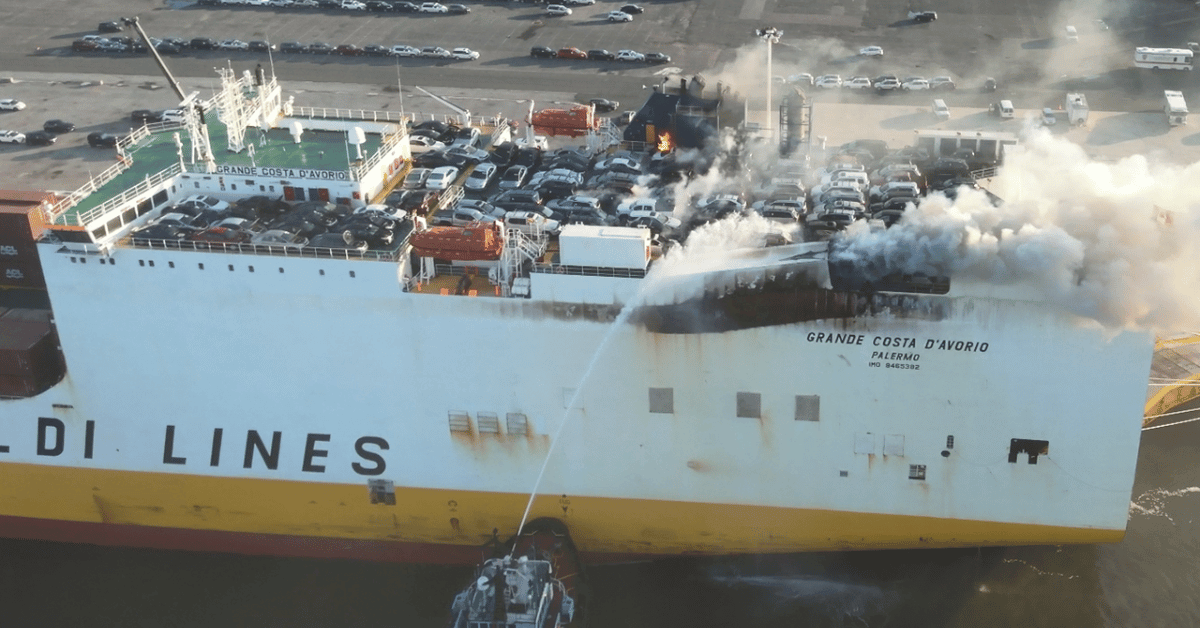
Among the investigations featured in this year’s Safer Seas Digest are the contact of the containership Dali with the Francis Scott Key Bridge and subsequent bridge collapse, the hull failure and implosion of the Titan submersible, and the fire aboard the roll-on/roll-off container vessel Grande Costa D’Avorio.
The NTSB encourages marine operators and other stakeholders to review the safety issues identified in the digest and consider how the lessons from these investigations can be applied to their own operations. Applying these lessons before a casualty occurs can save lives, prevent injuries, and reduce property and environmental damage.
NTSB investigators noted some commonalities that all mariners should consider. These include the following:
- Performing maintenance effectively,
- Effective voyage planning and management,
- Detecting and containing vessel fires,
- Assessing the condition of waterfront infrastructure,
- Ensuring watertight integrity,
- Accounting for bank effect,
- Combating fatigue and distraction,
- Properly securing and monitoring lithium-ion batteries,
- Mitigating the risks of a loss of electrical power,
- Planning and training for emergencies,
- Operating in strong currents or heavy-weather conditions, and
- Operating equipment and machinery systems as designed.
Safer Seas Digest 2025 and previous editions are available on NTSB.gov.
The NTSB’s Office of Marine Safety investigates major marine casualties upon the navigable waters of the U.S. and accidents involving U.S. flagged vessels worldwide. The investigations determine probable causes and lead to safety recommendations to prevent future casualties and improve maritime safety.
To report an incident/accident or if you are a public safety agency, please call 1-844-373-9922 or 202-314-6290 to speak to a Watch Officer at the NTSB Response Operations Center (ROC) in Washington, DC (24/7).
Press Release
Read on the original site
Open the publisher's page for the full experience